Have you ever wondered how does storm drain work and why water pools near a foundation after heavy rain—and what a simple fix might be?
I’m the owner of Drainage First, and I focus on practical exterior solutions for Metro Atlanta homeowners. I explain concepts in plain English so you can spot what’s normal, what’s failing, and what to do next. Call us at (678) 389-9544 or email carter@drainagefirst.com to discuss solutions for your Atlanta property and stop flooding before it starts.
Stormwater and runoff from roofs, drives, and streets must be captured and moved away to prevent flooding, erosion, and structural harm. A proper drainage system directs flow safely using grates, inlets, basins, pipes, and outfalls.
I’ll connect the big picture — municipal street drains and larger systems — to what you see at home: yard grading, driveway runoff, and water near foundations. We look outside first because poor exterior drainage often lets water into basements and crawlspaces.
Read on and you’ll gain a clear checklist: how water moves, where it should enter a system, and where it should exit without harming your home or landscape.
Key Takeaways
- I explain terms simply so you can assess problems yourself.
- Proper grading and clear inlets stop most runoff issues.
- Clogs, bad slope, or poor discharge points cause flooding.
- Street systems link to what happens on your lot.
- Drainage First offers owner-led, practical fixes for Atlanta homes.
What Storm Drains Are and Why Stormwater Management Matters
Rain leaving a roof or parking lot doesn’t vanish — it follows paths that affect your yard and foundation.
Storm drains versus sanitary sewers
Storm drains carry rain and surface runoff. Sanitary sewers handle household waste. Mixing them up leads to wrong assumptions about where water goes and what fixes are needed.
Why roofs, roads, and parking areas cause flooding and damage
Impervious surfaces shed water quickly. That fast flow raises the risk of localized flooding and saturated soil near foundations.
Results are real for homeowners: washed mulch, undermined walkways, and wet basements. Good management controls volume and directs water away from structures.
Pollutants, sediment, and the wider environment
Runoff may also carry sediment, oil, fertilizer, and litter into waterways. Trapping debris early protects pipes and the environment.
A property-level drainage system ties into the larger drain system, so inlet and exit points both matter for lasting performance.
How Does Storm Drain Work in Real Life During Heavy Rain?
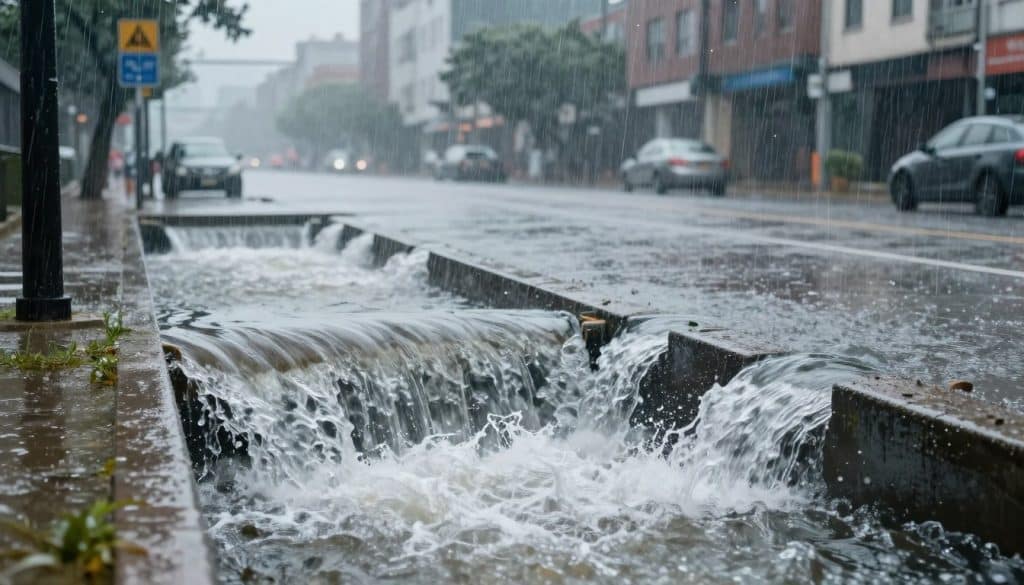
When a heavy downpour hits, the first puddles tell the story of where water wants to go. I watch roofs, driveways, and parking lots because these hard surfaces force rapid runoff toward low spots.
Grading and slope control that path. If land falls away from your house, water moves safely. If slope points to a foundation, water can pool and soak soil near the wall.
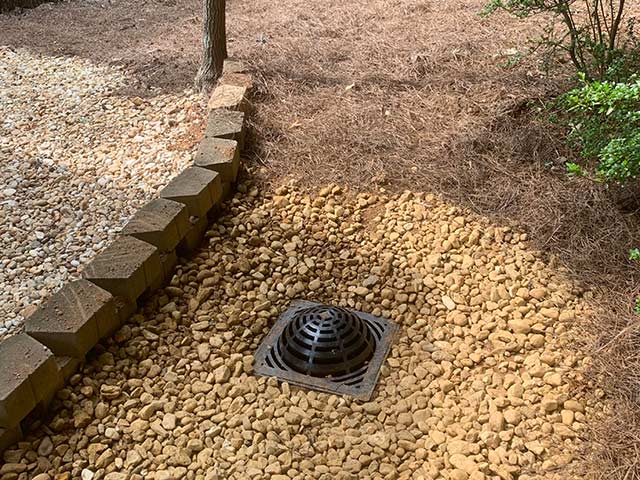
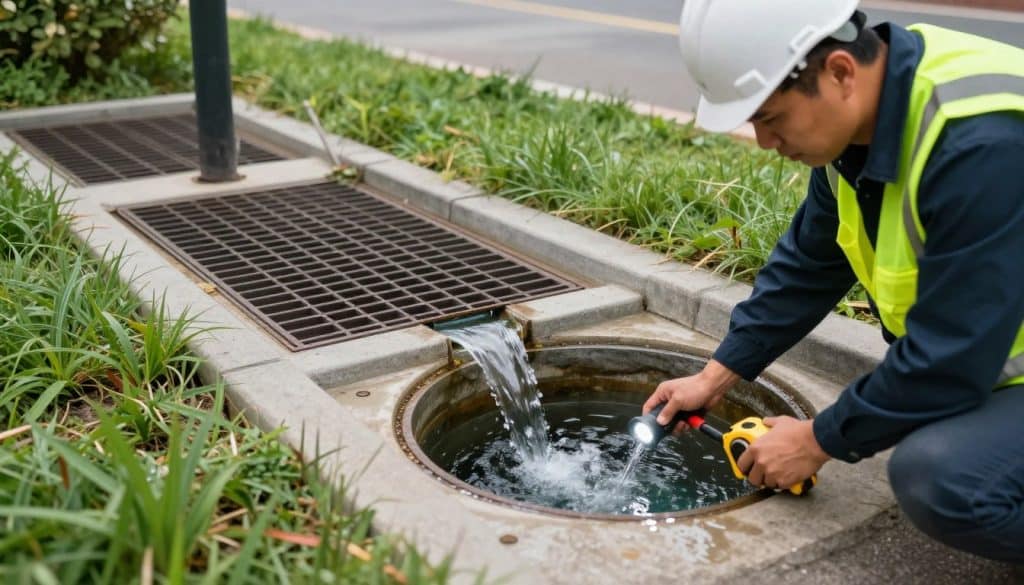
Inlets and grates at curbs and driveways capture water before it floods the street. They shield pedestrians and cars while letting runoff enter the drainage system.
Catch basins slow flow and create a sump where sediment and leaves settle. That protects pipes by stopping debris from traveling downstream.
Underground pipes and culverts then carry the collected water by gravity. A single blocked low point can make the whole system back up quickly.
Finally, water leaves at outfalls into streams, ponds, or municipal structures. When exits are clear, the system protects yards and foundations. When they’re blocked, water finds another, often harmful, route.
- Follow the puddles to see grading issues.
- Check grates and basins after a rain to spot clogs.
- Look downstream at outlets to ensure proper discharge.
Key Components of a Storm Drain System (and What Each One Does)
I break down the main parts of a drainage system so you can spot trouble fast.
Below I define the core components you’ll see on a property and why each matters.
Inlets, curb openings, and linear drains
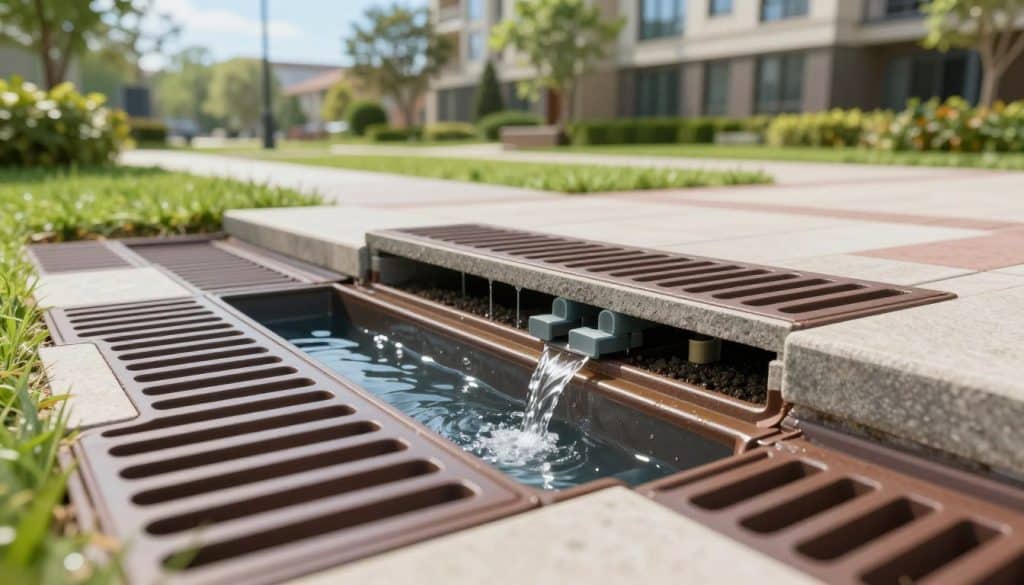
These collect surface water on paved areas. They stop ponding and make walking and driving safer.
Catch basins and sumps
Catch basins trap leaves, grit, and sediment in a sump. That keeps pipes clear and reduces service calls.
Pipes, culverts, and connections
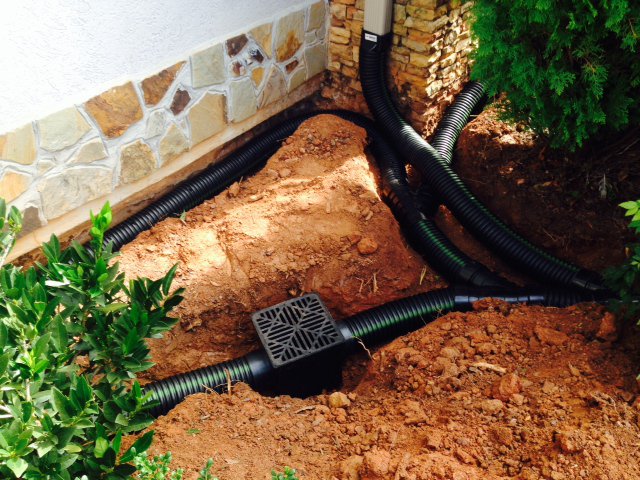
Pipes carry water away. Proper joints and alignment prevent leaks and future repairs.
Manholes and access points
Manholes give crews a way to inspect and clean. Regular access prevents hidden failures.
Detention, retention, and green options
Detention and retention features slow peak flow. Green infrastructure—bioswales, permeable pavers, and rain gardens—filters runoff and eases load on drainage systems.
- I define each major component so you know what to check.
- Look at inlets and basins for visible debris and catch zones.
- Maintain access points so the whole system keeps moving water away from your home.
Storm Drain Design Basics That Prevent Flooding on Properties
I start design at the surface. The land shape and soil often decide where water ends up long before pipes are installed.
Pipe sizing, inlet placement, and slope
Proper pipe diameter and alignment move collected water without bottlenecks. One undersized section can cause backups and local flooding.
Inlet placement should intercept runoff where it concentrates. Place grates and linear channels at low lines and driveways to catch flow before it ponds.
Grading, soil, and topography
Grade the yard so surface water travels away from the foundation. Clay-rich soil holds moisture and raises saturation risk. On sloped lots, use terraces or swales to slow movement and reduce pressure on pipes.
Controlled outlets and erosion
Unrestricted discharge can wash out yards and damage landscaping. Use riprap, splash pads, or energy-dissipating basins at outlets to limit erosion and protect downstream areas.
- Design starts with expected runoff and impervious area.
- Match pipe and inlet choices to rainfall intensity to prevent flooding.
- Fix grading first—it’s the most cost-effective way to reduce foundation water.
Common Storm Drain Problems Homeowners Notice First
Small wet spots near the driveway often point to a bigger problem under the surface. I start with what you can see, because visible signs usually mirror issues in the system.
Standing water and ponding near buildings, driveways, and low areas
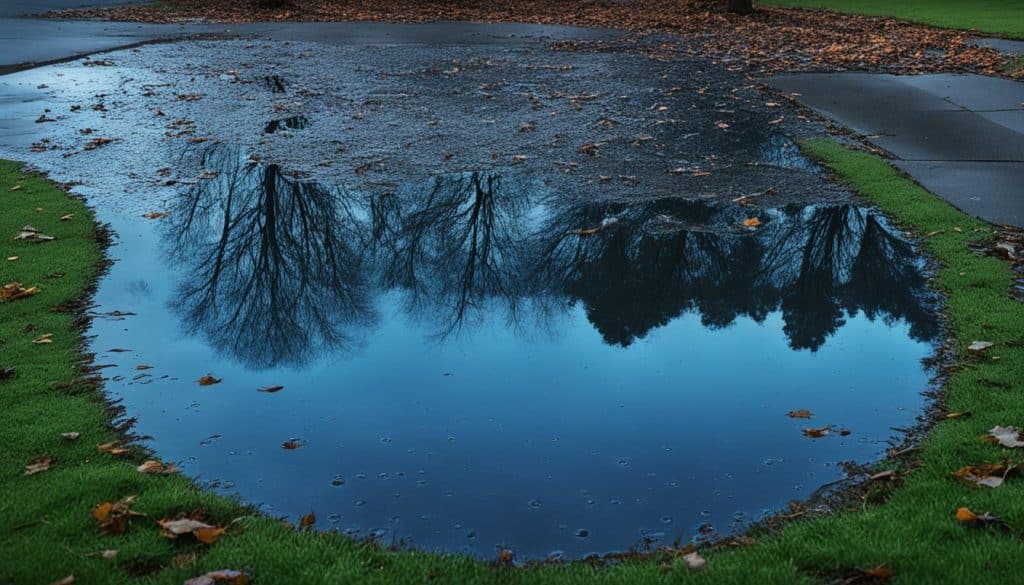
Ponding happens when capture points are blocked or the slope leads runoff toward the foundation. Compacted soil and missed inlets let water sit, increasing the risk of yard damage and flooding near structures.
Clogging from leaves, trash, and sediment buildup in drains and basins
A small grate blockage can stop flow from the whole line. Catch basins and basins fill with leaves and sediment. That reduces capacity and sends water back onto your property.
Structural issues: cracked pipes, settling, and blocked outlets
Cracked pipe sections, separated joints, or settled runs change flow paths. Outlets that are blocked force backups. Those failures often show up as new wet spots, sinking areas, or surging flow where it shouldn’t be.
Why these problems matter for basements and foundations
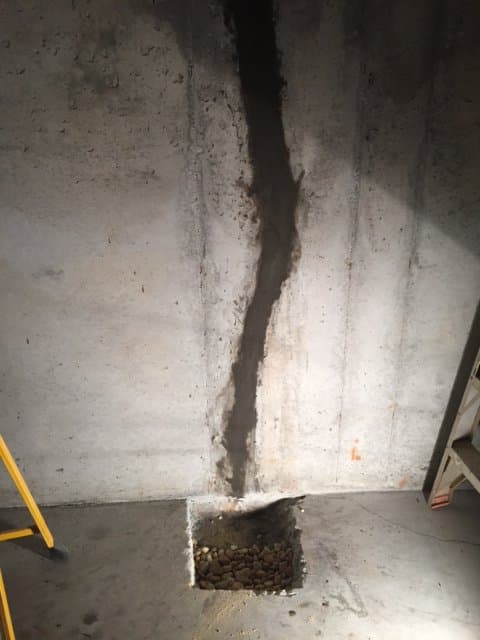
Repeated saturation raises hydrostatic pressure against foundations. That drives moisture into basements and can lead to mold or structural damage over time.
- Look for slow drawdown and persistent wet areas after rain.
- Watch for swirling debris at grates and soggy spots near buildings.
- If you see these signs, schedule a targeted inspection before next heavy rain.
How to Maintain Storm Drains and Catch Basins for Safer Water Runoff
A short maintenance routine prevents most yard flooding and protects foundations.
Clear grates and openings before heavy rain. Remove leaves, twigs, and mulch near curb inlets and linear channels. A clean grate restores capacity immediately and improves safety for nearby walkways.
When to schedule cleaning
Plan regular maintenance seasonally and after big leaf drop. Call for cleaning if you notice slow drawdown, recurring ponding, or gurgling at outlets.
What professionals check
- Catch basins — sediment depth and sump condition to keep full capacity.
- Pipes — signs of cracks, misalignment, or blockages that alter flow.
- Outlets and outfalls — clear discharge to prevent backups and erosion.
- Overall system performance — verify stormwater moves along intended paths.
Why this matters: Regular maintenance is cheaper than emergency repair. We focus on exterior fixes first, so homeowners avoid interior damage and keep water runoff managed at the source.
Smarter, More Affordable Drainage System Fixes for Metro Atlanta Homes
Most exterior fixes cost far less than interior waterproofing and avoid tearing up your basement. I focus on grading and capture points that stop runoff before it reaches foundation walls.
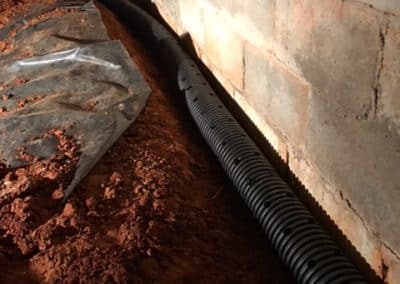
Exterior drainage improvements redirect water, reduce pressure on walls, and prevent long-term damage to your property. Proper grading and well-placed inlets often solve the real problem without intrusive interior systems.
When interior waterproofing may be unnecessary
Interior systems can be costly and disruptive. If outside water is not controlled, an interior fix only treats a symptom.
I’ll show when a yard correction or improved capture is the smarter route.
Our approach and service promise
- I diagnose flow paths, correct grading, and improve capture points to confirm safe discharge.
- We provide a written estimate the same day and start work without long waits when possible.
- We make all service calls ourselves and deliver fast, personal attention from start to finish.
Local experience you can trust
Drainage First is locally owned and operated in Metro Atlanta for over 20 years. We focus on practical, affordable solutions that protect buildings and yards.
Contact Drainage First: (678) 389-9544 • carter@drainagefirst.com — service area: Metro Atlanta, Georgia and nearby areas.
Conclusion
Seeing where surface water flows makes the whole system easy to understand and manage.
Stormwater starts on roofs, drives, and streets, then enters inlets and catch basins, moves through pipes, and leaves at outfalls. Keeping that path clear prevents backyard ponding and protects your foundation.
Regular maintenance—clearing grates, emptying basins, and checking outlets—reduces clogging, local flooding, and pollutant travel to streams. It also improves safety and keeps your property neat.
In Metro Atlanta, heavy rains test low areas fast. If you see recurring wet spots or basement moisture, call Drainage First. I offer owner-led, exterior-focused fixes and same-day written estimates to get water moving the right way.