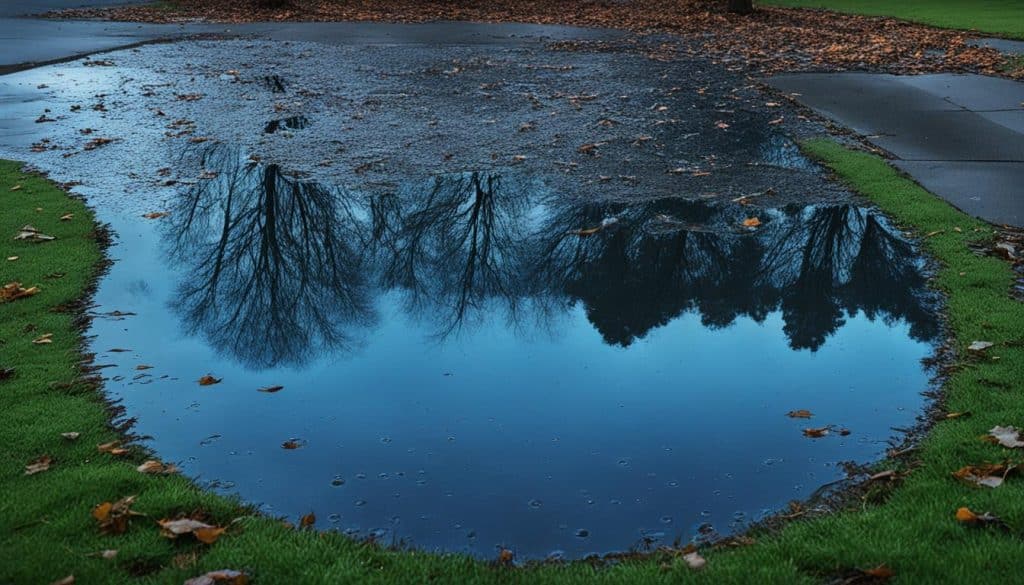
Curious how to improve yard drainage when puddles linger for days after a storm? I’ve seen that scene across Metro Atlanta for over 20 years. Standing water that lasts more than a day usually signals poor flow and a problem that can invite pests and threaten foundations.
I’m the owner of Drainage First. We are locally owned and operated and bring fast, personal, hands-on service. My approach is exterior-first. I focus on practical, cost-conscious fixes that stop water at the source before costly interior systems are needed.
In this guide I’ll walk you through easy first moves—gutters, downspouts, loosening compacted beds—and then show when regrading, swales, rain gardens, or French drains are the right step. You’ll learn where water comes from, where it goes, and what good results look like after rain.
Call us at (678) 389-9544 or email carter@drainagefirst.com to discuss solutions for your Atlanta property and stop flooding before it starts.
Key Takeaways
- Standing water over a day is a clear sign something needs attention.
- Start with low-cost fixes before scaling up to major work.
- Exterior solutions usually protect interiors more cheaply.
- Local clay soil and runoff patterns shape the right plan for Atlanta.
- I’ll help you decide what you can DIY and when to call Drainage First.
Why Yard Drainage Matters for Your Lawn, Landscape, and Foundation
Water that sits after a storm does more than ruin an afternoon — it changes the health of your property. Standing water suffocates grass and stresses soil biology. It also raises the risk of water reaching structures.
What standing water does to turf and beds
When water lingers it blocks oxygen from reaching grass roots. Turf thins, mud forms, and bare spots follow. Young plants in beds also struggle in wet, compacted soil.
Why surface pooling threatens hardscapes and foundations
Runoff that flows toward walkways or driveways can wash away base material. Surfaces settle and become slippery when wet or icy.
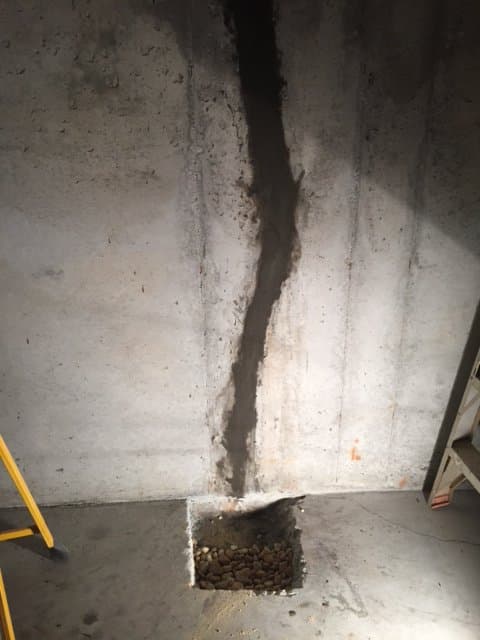
Repeated pooling near a home raises hydrostatic pressure against the foundation. Over time water can find cracks and enter basements or crawl spaces.
- Lawn health: oxygen loss for roots and persistent wet spots.
- Landscape care: erosion of mulch and topsoil, plus compaction of soil.
- Foundation protection: higher chance of leaks and costly repairs.
My goal is simple: control movement so water drains away and doesn’t linger beyond a reasonable window. Quick exterior fixes often stop interior problems before they start.
Common Drainage Problems Homeowners See in Metro Atlanta Yards
After a hard rain, a few repeatable patterns explain where water pools and why it won’t leave. I see the same causes across lawns and properties in the city.
Low spots, sunken areas, and uneven grading form when settling, erosion, or poor backfill creates depressions. These low spots are the first places puddles show up after storms.
Compacted soil from foot traffic and construction activity limits how fast water soaks in. Foot paths, pets, and heavy equipment can compress the top 300 mm of ground so infiltration drops sharply.
Clay-heavy soil that drains slowly is common here. Clay packs tightly and holds water. It isn’t bad soil; it needs aeration, organic matter, and clear surface routes to manage flow.
- Runoff from streets, slopes, and neighbors brings extra water onto your property.
- Overflowing gutters and short downspouts dump roof water beside the house and create persistent pooling near the home.
- Each pattern points to a matching fix we cover later—topdressing for low spots, aeration for compaction, swales or pipes for external runoff.
How to Diagnose Poor Drainage Before You Start Digging
You can learn a lot from one well-placed hole and a stopwatch. I favor simple checks that save time and effort. This gives clear clues about whether the problem is the soil or the slope.
Do the hole test and read the results
Dig a test hole 12″ by 12″ and 12″ deep. Fill it with water and let it drain. Refill and start your timer.
Good drainage: second fill drains in 1–3 hours. If it takes more than 4 hours, the soil is not absorbing well and you likely have a serious infiltration issue.
Map entry points, pools, and exits
Walk the property after rain. Mark where water enters (downspouts, neighbor slopes), where it pools, and safe discharge spots. Do tests in several areas to find patterns.
Watch for foundation red flags
If water sits near the foundation more than 24 hours, if wet spots recur in the same place, or if you see staining or erosion at the wall, call for a professional assessment.
- Quick tip: locate underground utilities before digging deeper or planning a trench or pipe.
How to Improve Yard Drainage With Quick Wins That Cost Little
Begin with common-sense fixes that move the most water away from your home fast. These steps cost little and often cut surface pooling after the very next storm.
Clean clogged gutters
Gutter overflow concentrates water at the foundation. Leaves and debris send roof runoff down the wall instead of away. That extra flow can mean hundreds of gallons in a single storm—about 600 gallons from a 1,000 sq ft roof at 1″ rain.
Extend or bury downspouts
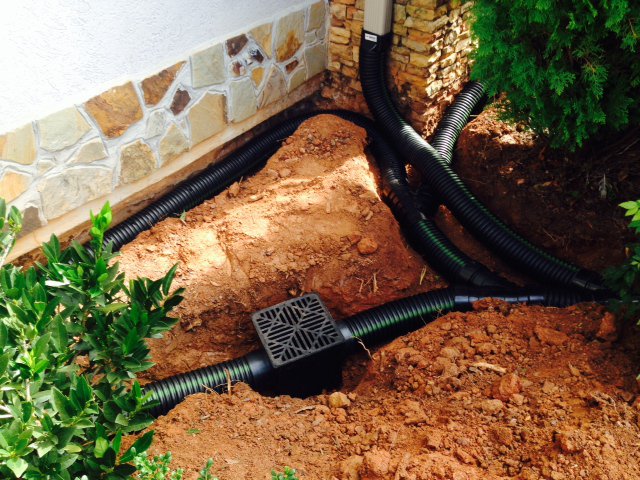
Snap-on extenders push water 6–10 feet out quickly. A buried discharge line looks neater and moves flow to a safe low point or soak area. Route runs so you do not create new pooling on neighbors’ properties or other areas of your yard.
Loosen compacted beds and mulch
Compacted mulch and compost can shed water. Raking and loosening the surface restores absorption in garden beds and small gardens. This is a fast DIY fix that helps infiltration almost immediately.
- Start with these high-return tasks.
- Watch after the next rain and note reduced pooling.
- Persistent problems may still need regrading or a system installed.
Fix Standing Water by Correcting Low Spots and Surface Grading
A measured topdress is one of the quickest fixes I use for low spots. Water follows the grade, so small reshapes stop most puddles before they become bigger problems. Mound topsoil mixed with compost or well-rotted manure and form a gentle rise rather than a hard peak.
Topdress depressions with topsoil plus compost
Blend topsoil and compost, then fill the depression until the area sits slightly higher than surrounding ground. Aim for a smooth slope so surface water runs away from foundations.
Expect settling; you may repeat the topdressing once or twice over a season as the soil compacts and organic matter settles.
Reseed and protect new grass while it stabilizes
Choose a seed that matches your lawn and spread evenly. Lightly cover seed with straw or a row cover to hold moisture and keep birds off. Remove protection after the grass reaches mowing height.
Build small berms that redirect flow
Think of berms as subtle speed bumps for water. A low, elongated berm placed downslope will nudge surface flow toward a safe discharge point without big excavation.
- Micro-grade tip: create a 2–3″ drop per 10 feet away from structures for reliable movement.
- If low spots return repeatedly, that suggests deeper settling or a larger problem worth a professional look.
Aerate Lawn Areas to Relieve Compacted Soil and Improve Infiltration
When soil packs tight, a mechanical core makes thousands of tiny escape routes for moisture. Core aeration pulls plugs roughly 1/2–3/4″ wide and 3–4″ deep. Those plugs leave holes that let water, oxygen, and nutrients reach roots more easily.
Why it matters: compacted soil can cut infiltration by as much as 60%. Aeration restores flow, reduces surface pooling, and helps turf recover faster after storms.
Timing and frequency: aerate when the soil is moist—water 24 hours before if needed so the machine penetrates cleanly. Clay-heavy lawns in Metro Atlanta usually need annual service. Sandier lawns can wait 2–3 years unless traffic compacts them sooner.
- Success markers: less squish after rain, quicker dry-down, and thicker turf within weeks.
- Common mistakes: aerating bone-dry ground or overworking the turf so it can’t rebound.
- Best practice: pair aeration with light topdressing of organic matter to keep those channels open long-term.
Improve Soil Structure With Organic Matter and Smart Topdressing
Adding organic matter reshapes the soil’s tiny channels and changes long-term water flow. Fixing the structure is often the real, lasting answer rather than only moving surface runoff.
Why compost and aged manure work
Compost and aged manure bind clay particles into aggregates. That creates pore space for water to enter and for roots to breathe. Nutrients stay available while the soil holds less standing water.
Topdressing depth and timing
Apply thin layers—typically 1/4–1/2″—so you do not bury grass. After aeration, topdress so compost falls into cores and stays put.
Expect partial gains after the next rain, with main benefits in 3–6 months and peak improvement across 2–3 growing seasons.
The sand warning and a simple plan
Never add sand alone to heavy clay. Done wrong, sand and clay lock together and form concrete-like soil.
- Aerate first, then topdress with compost or aged manure.
- Repeat annually for steady, reliable improvement.
- This plan helps lawn health and strengthens roots over time.
Redirect Runoff With Swales and Simple Surface Drainage Channels
A properly formed swale gives water a gentle route instead of letting it tear through lawns. A swale is a shallow, shaped channel that gives runoff a predictable path so it doesn’t tear up your yard.
Where they work best: swales perform well along slopes, beside roads, and at property lines—places where landscape and street flow concentrate. In Metro Atlanta, these areas often collect extra street and neighbor runoff.
Shaping guidance: form a gentle grade, build stable edges, and choose a lining that matches expected flow. Grass-lined swales suit low flows. Stone or riprap works where storms push more force.
- Reduce erosion: swales slow and spread water instead of letting it concentrate and carve ruts.
- Maintenance: clear leaves and sediment after storms; periodic cleanouts keep the channel working.
- Culvert checks: inspect driveway culverts—if they clog, your swale can back up and flood nearby areas.
When a swale is enough: it handles most surface flow and small runoff events. If the ground stays saturated or pools return, a trench-style drain or subsurface system may be needed to fully solve the problem.
Build a Dry Creek Bed for Attractive, Controlled Stormwater Flow
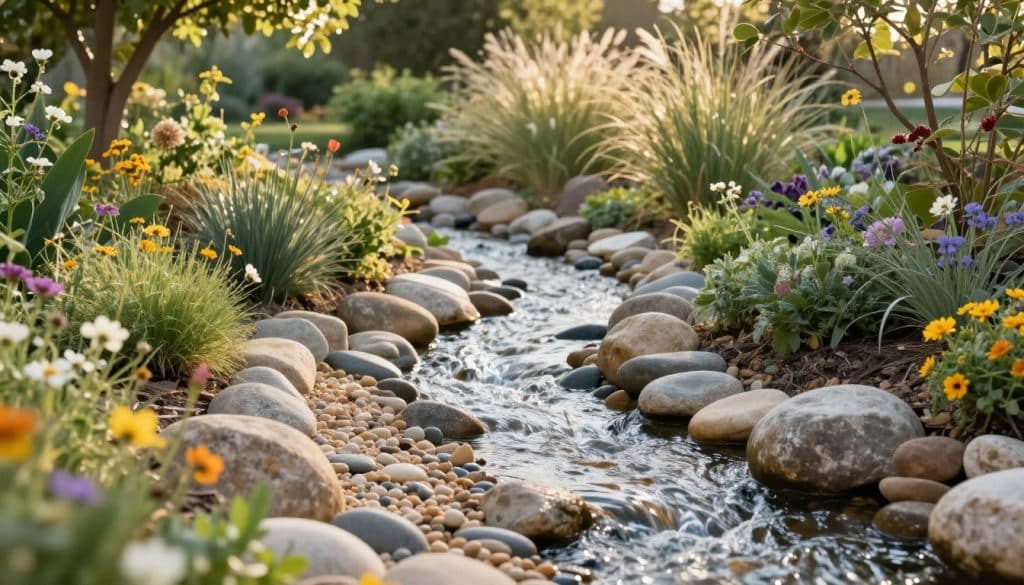
A dry creek bed channels storm flow with intent and curb appeal. It’s a shallow trench lined with stone that carries intermittent runoff. I use this when surface water already follows a visible path and you want a deliberate route that prevents soil washout.
When a visible creek beats a hidden fix
A dry creek works best where water flows over the surface during storms. It defines the path, slows velocity, and protects slopes without burying systems underground.
Choose rock, gravel, and edging to stop washouts
Start with a shallow trench. Add landscape fabric, a base of crushed stone for stability, and a layer of gravel. Finish with decorative river rock for appearance.
- Base stone: prevents settling and supports heavier flows.
- Gravel and fabric: keep sediment from filling the channel.
- Edging or boulders: anchor banks where flows hit hardest.
Route the creek to a safe outfall and plant the edges
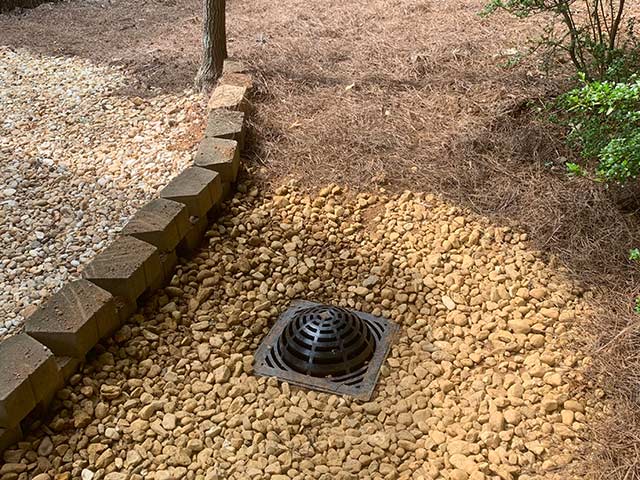
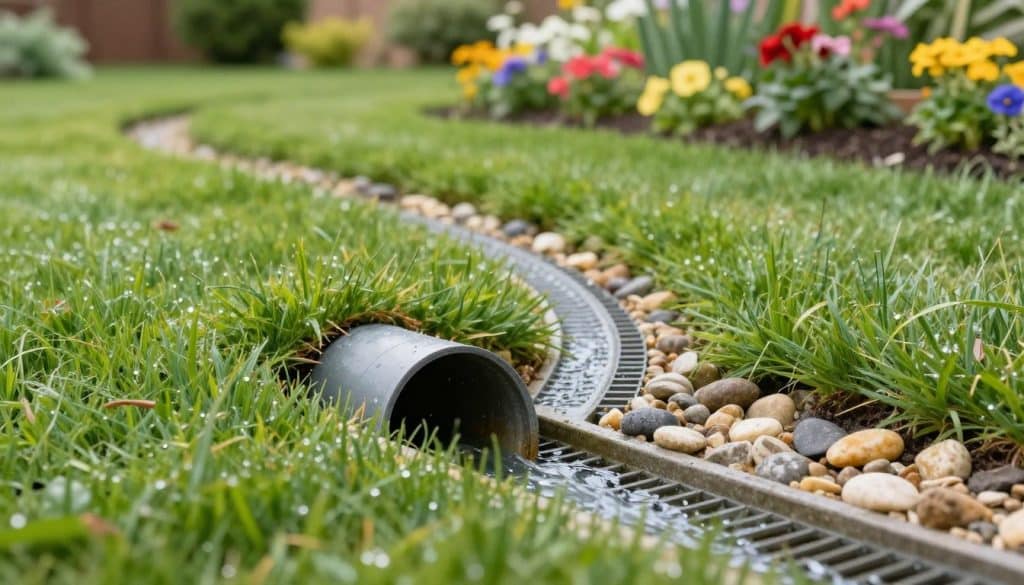
Always end the dry creek at a swale, catch basin, or other safe drainage area so you’re not just moving the problem to new areas.
Keep plantings on the banks, not in the bed. Roots will stabilize soil without blocking the creek. Expect occasional cleanouts after heavy storms to keep the feature functioning and attractive.
Create a Rain Garden to Absorb Water Within a Couple Days
A planted basin can turn a wet spot into a landscape feature that soaks away storm flows. Built correctly, a rain garden will capture runoff, slow it, and usually let water infiltrate within about 48 hours.
Rain garden basics
Excavate roughly 2–3 feet and level the base so water spreads evenly. Build a berm on the downhill edge and plan a safe overflow route for large storms.
Soil and placement notes
Test the existing soil and add compost or sand mix when needed so the basin drains rather than stays soggy. Sit the garden where it intercepts runoff but keep it well away from your foundation and neighbors’ property.
Plants that thrive
- Shrubs/trees: buttonbush, river birch, red maple.
- Perennials: sedges, cardinal flower, bee balm, swamp milkweed, pickerelweed.
- These plants handle wet/dry cycles and add curb appeal.
Maintenance: manage mulch, weed during establishment, and keep inflow and overflow paths clear so the garden performs reliably season after season.
Install French Drain Systems for Persistent Drainage Issues
If water keeps returning despite surface repairs, an underground channel can stop it. A properly built french drain creates a reliable path for subsurface flow away from the house and foundation.
How the system works below ground
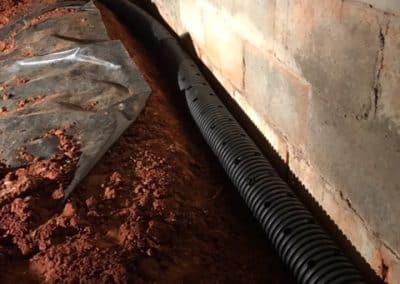
A french drain uses a trench filled with clean gravel and a perforated pipe set on a consistent slope. Water enters the gravel, flows into the pipe, and moves by gravity toward a safe outlet.
Key placement rules
- Slope matters: always run the trench so water flows away from the foundation—no dead-flat runs.
- Plan the outlet: identify the discharge point before you dig.
- Location: intercept saturated zones and route flow around high-risk areas, not toward neighbors.
Components and common DIY risks
Use geotextile fabric to limit sediment, clean gravel for void space, and correct pipe orientation so perforations face down. Skipping fabric, using dirty aggregate, misjudging slope, or placing the outlet incorrectly are frequent mistakes.
When engineering matters most
Call a pro when water threatens the foundation, collection areas are large, or grades are complex. A well-designed french drain is a long-term solution only if it moves water reliably every storm.
When to Call Drainage First for Smarter, Exterior-First Drainage Solutions
If water problems return after patchwork, a targeted plan beats repeated fixes. I focus on stopping the source outside the house so you avoid costly interior work later.
Signs you need a pro
Call us when you see any of these:
- Recurring pooling that comes back after basic fixes.
- Erosion that’s changing slopes or washing soil from beds.
- Standing water near the foundation for more than 24 hours.
Why we do things differently
At Drainage First we aim at exterior fixes—grading, swales, targeted trenches—so the root cause is solved. That approach often prevents basement water and cuts long-term costs.
What to expect working with us
We’re locally owned and operated for 20+ years. I make service calls myself. Expect fast, personal work, a written estimate the same day, and quicker start times so you aren’t waiting while problems worsen.
Service area and contact
We serve Metro Atlanta, Georgia and nearby areas, with solutions built for local clay soils and typical lot grades. For a clear next step, call (678) 389-9544 or email carter@drainagefirst.com.
Conclusion
Good results come from a step-by-step approach that protects your home and lawn. Diagnose the spot first, tackle quick wins, correct grades and compaction, then consider swales, dry creek beds, rain gardens, or a French drain when problems persist.
After rain, water should move and not linger day after day. That is the simple performance standard you can check.
Metro Atlanta clay responds best to a mix of aeration, organic matter, and smart routing for runoff. Repair low spots carefully and reseed so grass returns thicker and healthier.
We follow an exterior-first principle: control water outside to protect the foundation and avoid interior disruption. Call Drainage First when issues recur or sit near the house so we can design practical, affordable drainage solutions.
Keep gutters clear, avoid walking on wet soil, and check problem areas after major rain to make sure the fix is holding.