Have you ever wondered how to fix a leaking basement when water finds its way in even though everything else seems fine?
I’m Carter, owner of Drainage First in Metro Atlanta. For over 20 years we’ve focused on stopping water outside the foundation. In my experience, this approach is cheaper, cleaner, and lasts longer than chasing water from inside.
We start with drainage and grading first. That simple step often solves the root issue: poor exterior runoff and hydrostatic pressure pushing water through concrete joints.
Slow seepage is not harmless. Even minor wet spots can lead to mold and bigger repairs. I’ll guide homeowners through common pathways, simple diagnostics, and when an interior patch is just a temporary band‑aid.
Call (678) 389-9544 or email carter@drainagefirst.com for fast, personal service and a same-day written estimate.
Key Takeaways
- Exterior drainage and grading usually solve basement water problems first.
- Address small leaks quickly to avoid mold and costly damage.
- I’ll explain which repairs homeowners can safely handle and which need pros.
- Common Metro Atlanta soil and rain patterns increase water pressure on walls.
- We provide fast, personal service and same-day written estimates.
Basement leak warning signs you shouldn’t ignore
Not all water problems make a splash; many begin as faint stains and damp smells. I watch for small clues that tell me where water is entering and whether the issue is ongoing.
Water stains on walls, ceilings, and around windows
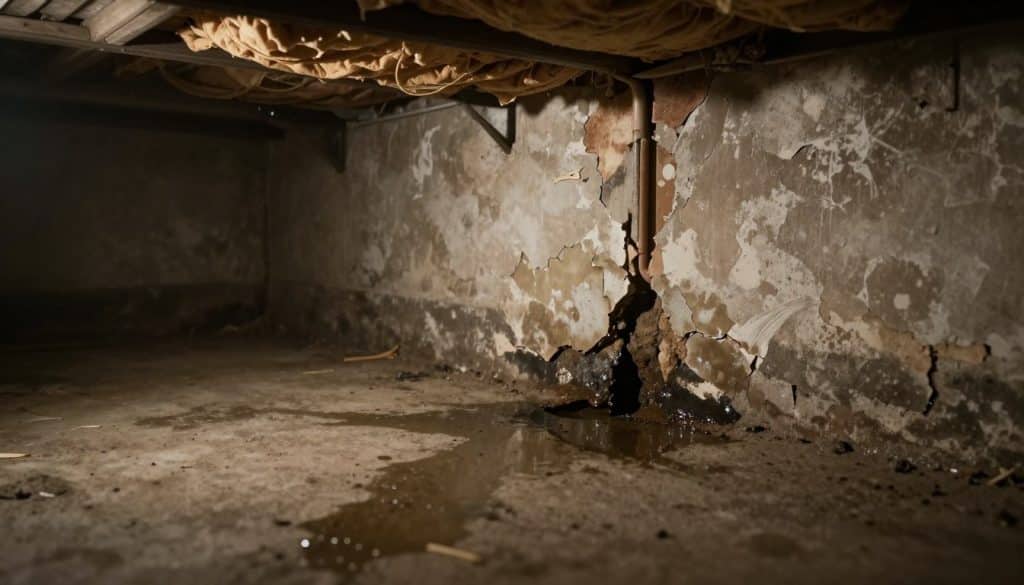
Stains often show as yellow, gray, or white marks on basement walls and ceilings. When marks repeat near a basement window or at the wall/floor joint, it usually means a repeat pathway rather than a one-off spill.
Read the pattern: streaking under windows suggests runoff or window well overflow. Pooling at the floor line points at cove joint seepage. Random spots may mean plumbing leaks.
Musty odors, humidity, and mold risk
A musty smell is not just “basement air.” It signals trapped moisture and poor ventilation. You may notice clammy air, condensation on pipes, or higher utility bills from extra work by HVAC systems.
Mold growth needs damp surfaces and time. Avoid disturbing suspected mold and call for professional testing if growth appears on stored items or walls.
Efflorescence, peeling paint, and concrete flaking
White, chalky salt deposits (efflorescence) mean water is moving through masonry and leaving minerals behind.
Peeling paint and concrete flaking happen when moisture pushes under coatings. These signs warn of ongoing damage and possible foundation exposure. Don’t wait: early action keeps repairs simpler and less costly. Call us at (678) 389-9544 or carter@drainagefirst.com for a same-day written estimate.
Stay safe and limit water damage before you start repairs
Before you touch tools, take a moment to protect people, power, and prized items in the lower level. A short safety check prevents bigger damage and keeps repair work from becoming hazardous.
Electrical safety, protective gear, and when to avoid DIY
Pause before you patch: confirm whether water is actively rising, note where it appears, and rule out plumbing as the source. Document conditions with photos and timestamps so time-stamped evidence exists if professionals are needed.
- Electrical rules: stay away from wet outlets and exposed wires. Shut off power to affected circuits if you can do so safely.
- Protective gear: wear rubber boots, gloves, eye protection, and a dust mask or respirator when mixing products like hydraulic cement.
- Avoid DIY when standing water is near panels, floods recur, cracks are widening, sewage is present, or suspected mold exists.
Protecting belongings and reducing moisture exposure
Move boxes off the floor and onto shelving. Swap fragile items into watertight bins and remove wet carpet or padding quickly.
Once power is safe, increase air movement and run a dehumidifier. Quick action limits water damage, mold risk, and ruined finishes. If you’re in Metro Atlanta and want an owner-led assessment before attempting any repair, call Drainage First at (678) 389-9544 or email carter@drainagefirst.com for fast, personal service and a same-day written estimate.
Find the source of the water in your basement
Start where you see damp: tracing the source saves time and money. I walk the room and note exact spots, timing, and whether wetness follows rain or appears all the time.
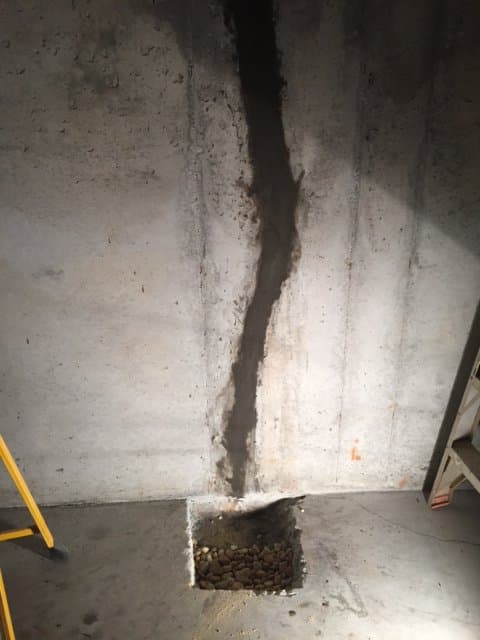
Wall-meets-floor seepage: Hydrostatic pressure in saturated soil often forces water through the cove joint where wall meets floor. That line is a common entry point and points us toward exterior drainage needs rather than a cosmetic patch.
- Check foundation cracks: note hairline versus wide cracks, damp edges, and mineral deposits.
- Inspect floor cracks and penetrations: water can travel under slabs and show far from the source.
- Examine window wells and basement windows: clogged drains, missing covers, or poor slope funnel rainwater straight at windows.
Quick plumbing vs. groundwater tests: shut off main water briefly if safe, watch the meter, and see if seepage stops when rain ends. Plumbing leaks usually ignore weather and may show near fixtures or ceilings.
When to call for foundation repair: If cracks widen, walls bow, or repeated wet spots persist after drainage fixes, structural repair may be needed. Most times, solving soil drainage and pressure around foundation prevents unnecessary interior work.
If you want a fast, owner-led diagnosis in Metro Atlanta, call Drainage First at (678) 389-9544 or email carter@drainagefirst.com for a same-day written estimate.
How to fix a leaking basement with targeted DIY repairs
Small, steady seepage can often be handled at home with careful, targeted repairs. I’ll walk through practical, safety-first methods that work for small wall cracks and minor leaks.
Patching small wall cracks with hydraulic cement
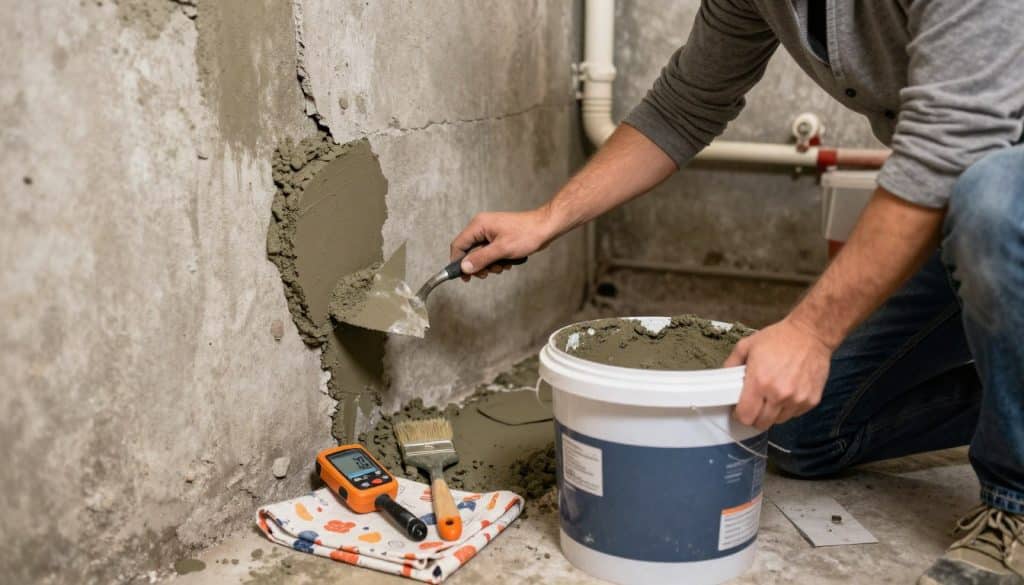
Prep matters: scrape away loose material, remove old coating, and clean the crack. Wear gloves and a dust mask—hydraulic cement sets fast, so mix small batches.
- Pack and force the cement into the defect, then feather outward.
- Monitor damp spots and apply a second coat if needed after short time.
- These repairs work on small, stable cracks in a basement wall, not on structural failures.
Polyurethane masonry caulk and concrete coatings
Use polyurethane caulk where a flexible seal is needed. It adheres best to clean, reasonably dry concrete.
Waterproofing coatings can reduce surface moisture and improve appearance, but they won’t stop ongoing hydrostatic pressure. Interior patches are often a temporary band‑aid unless exterior drainage is fixed.
Reality check: targeted DIY repairs buy time and may solve minor issues. For lasting results, we focus on drainage first. Call Drainage First for an owner-led plan and a same-day written estimate in Metro Atlanta: (678) 389-9544 or carter@drainagefirst.com.
Stop water at the source with exterior drainage and grading
Keeping water moving away from your foundation stops most problems before they start. I focus on rerouting runoff and reshaping soil because that reduces hydrostatic pressure and protects the home foundation.
Gutters, downspouts, and discharge placement
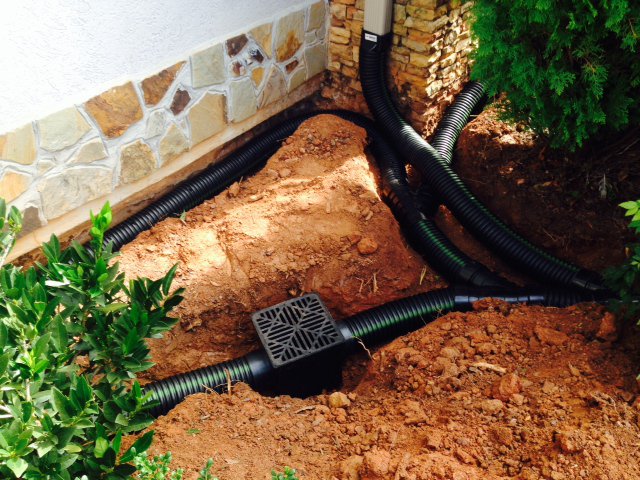
Clean gutters, check joints, and watch for overflow stains at the base of walls. Confirm downspouts don’t dump at corners and extend outlets at least 4–6 feet away from the foundation.
Grading and soil slope basics
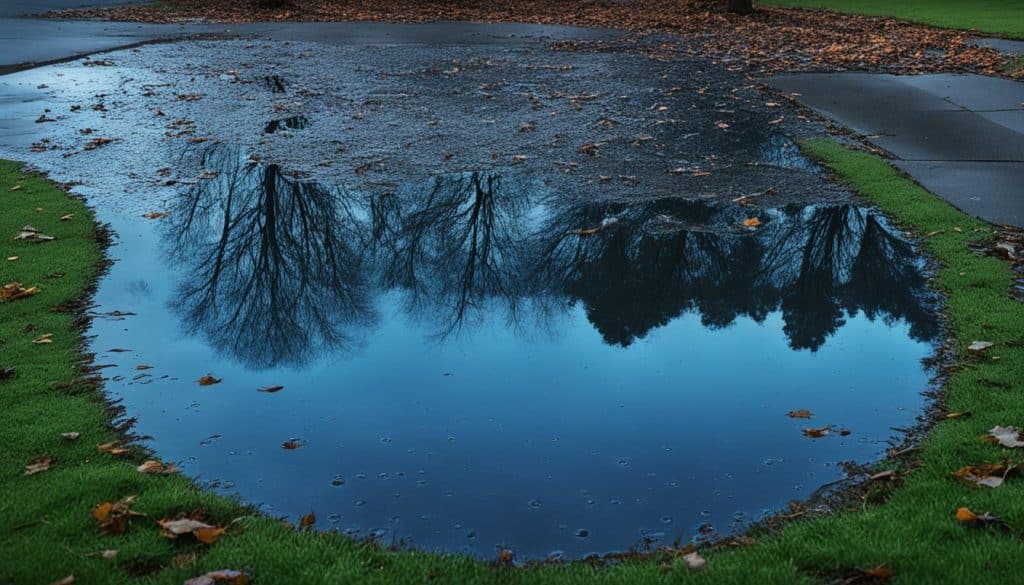
Soil should slope away from the home so rain sheds outward, not toward underground walls. On tight lots or settled backfill, regrading or adding a low berm prevents pooling that raises hydrostatic pressure.
Window wells and exterior systems
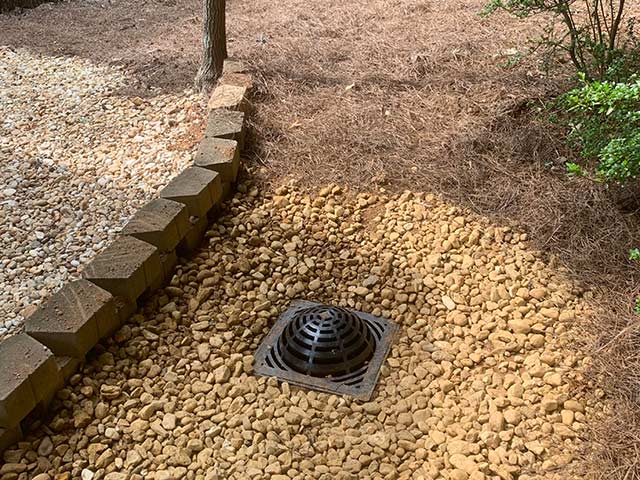
Keep window wells clear of leaves and sediment, add covers, and verify the well drain works. When grading alone won’t control groundwater, French drains or footing drains are effective exterior systems.
- Drainage First principle: fix outside water first and you often avoid interior repairs.
- Exterior work usually costs less and causes less disruption than digging inside the basement.
For Metro Atlanta solutions, call me at (678) 389-9544 or email carter@drainagefirst.com for a same-day written estimate.
When a system solution is needed: drain tile and sump pump fundamentals
When exterior drainage can’t fully relieve pressure, a system approach may be the responsible next step. I recommend systems only when site constraints, persistent groundwater, or low-lying areas keep water working against the foundation despite grading and gutters.
Drain tile basics
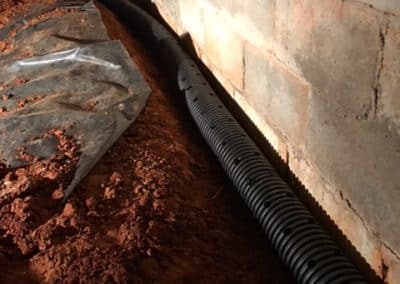
Drain tile is a pathway that collects water around or under the foundation and channels it away from the wall/floor joint. It eases hydrostatic pressure so water stops being forced through cracks and seams.
Sump pump and maintenance essentials
The sump pump is the system’s exit strategy. It moves collected water out and keeps the pit from filling during heavy rain.
- Test float and switch every months; listen for smooth starts and stops.
- Check power, consider a battery backup, and inspect the discharge line for clogs or short returns toward the foundation.
- Replace pumps that haven’t been serviced in years—failure prevention reduces repeat water damage.
Reality check: interior systems manage water that gets in, but exterior drainage still matters to lower overall pressure on the foundation. If you want a straightforward recommendation in Metro Atlanta, call me at (678) 389-9544 or carter@drainagefirst.com. We provide owner-led guidance and same-day written estimates.
Conclusion
An outside-first strategy usually saves money and stops most repeat leaks. Spot warning signs early. Make the area safe. Find the source. Do targeted repairs when appropriate. Then correct exterior drainage and grading so water moves away from the foundation.
Interior patches and coatings can help for a short time. Repeated wet spots often mean exterior conditions are still forcing moisture in. Delay increases mold risk and makes water damage worse.
We are locally owned and operated for over 20 years in the Metro Atlanta area. If you’re unsure or repairs haven’t worked, call me for an owner-led diagnosis and practical solutions. We offer fast, personal service and a same-day written estimate. Call (678) 389-9544 or email carter@drainagefirst.com.
When you manage water around your foundation correctly, you protect your basement, your home, and your wallet.