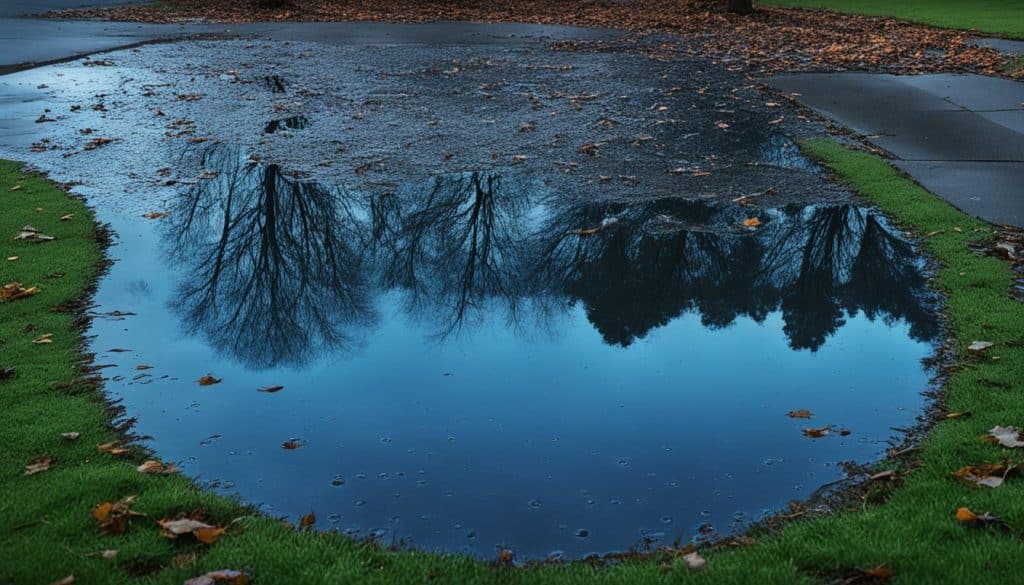
Have you ever watched heavy rain and wondered where do storm drains go after the water vanishes through a street grate?
I’m the owner of Drainage First, and I answer that question for homeowners across Metro Atlanta every week. Most systems move excess rain and ground water from streets, roofs, and parking areas straight to nearby streams and ponds with only basic debris filtering.
This matters because what leaves your yard can return to your property if flows speed up or grates clog. Fast runoff can flood yards, push into sidewalks, and even threaten basements.
Our approach is practical. We focus on stopping problems at the source with exterior grading and simple drainage upgrades. I come out myself, diagnose the issue, and provide a same-day written estimate so you get fast, personal service. Call us at (678) 389-9544 or email carter@drainagefirst.com to discuss solutions for your Atlanta property and stop flooding before it starts.
Key Takeaways
- Most stormwater is routed to local waterways with minimal treatment.
- Runoff speed and clogs cause backups that can affect your home.
- Exterior grading and targeted drainage fixes stop problems early.
- Drainage First serves Atlanta area homeowners with hands-on service.
- We inspect, diagnose, and offer a same-day written estimate.
Storm Drains and Stormwater Runoff: What They Are and Why Cities Use Them
When pavement sheds water, the city relies on a network to move it away quickly and keep streets safe. I want to make the basics clear so you can spot risks around your home.
What stormwater is: Runoff forms after rain or melting snow. It is the water that flows off roofs, driveways, sidewalks, and parking lots instead of soaking in.
- Common in public spaces: curb inlets on streets, grated inlets along sidewalks, and collection points in parking lots.
- Designed for: short-term rainfall events, snowmelt, and surface wash-off that would otherwise pool on pavement.
- Why impervious surfaces matter: concrete and asphalt do not absorb water, so runoff arrives faster and in larger volumes.
More impervious cover concentrates flow. That ups the chance the system can’t keep up and sends water toward low spots and foundations. In Metro Atlanta, driveways and patios often funnel excess water toward homes when site drainage is poor.
Next step: These collection points feed a connected network that carries water to an endpoint. I’ll follow that path in the next section so you can see the full route from grate to outfall.
Where do storm drains go: Following Rainwater from the Grate to Local Waters
Rainwater that drops on pavement begins a quick trip through grates, pipes, and open channels toward lower ground. I’ll walk the path and point out the spots that matter for your yard and foundation.
From curb inlet to pipes, ditches, and culverts
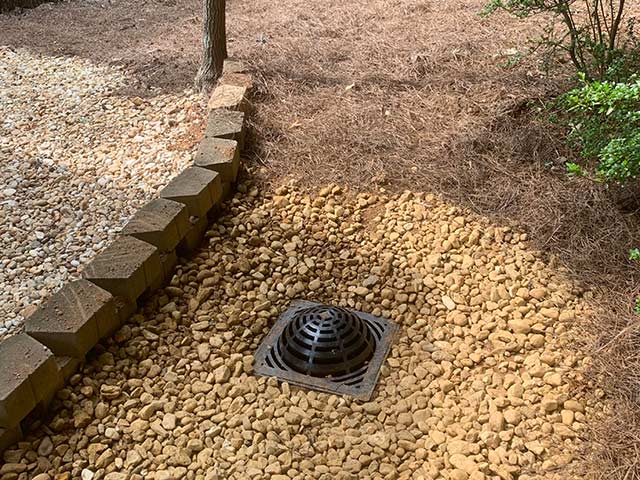
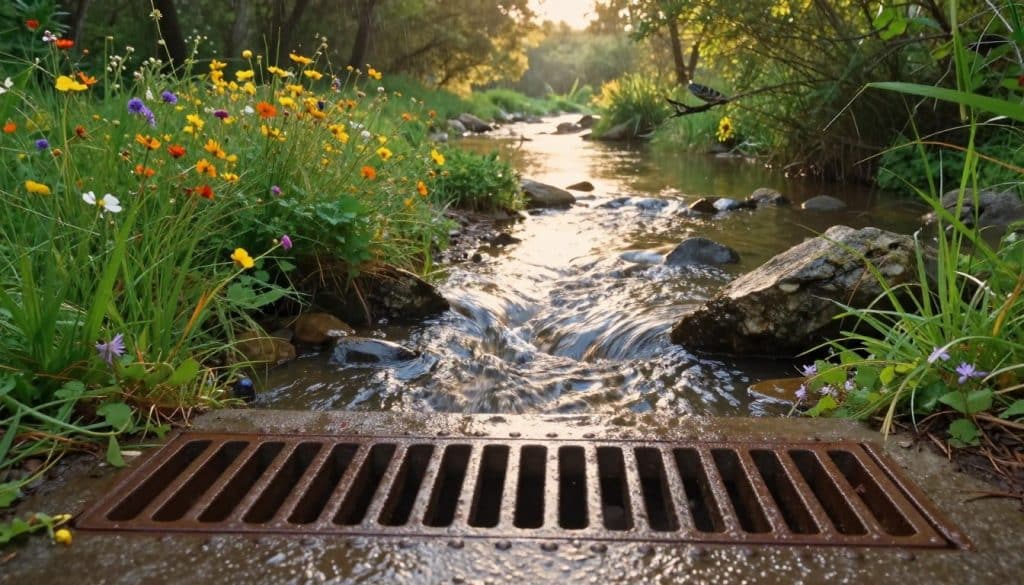
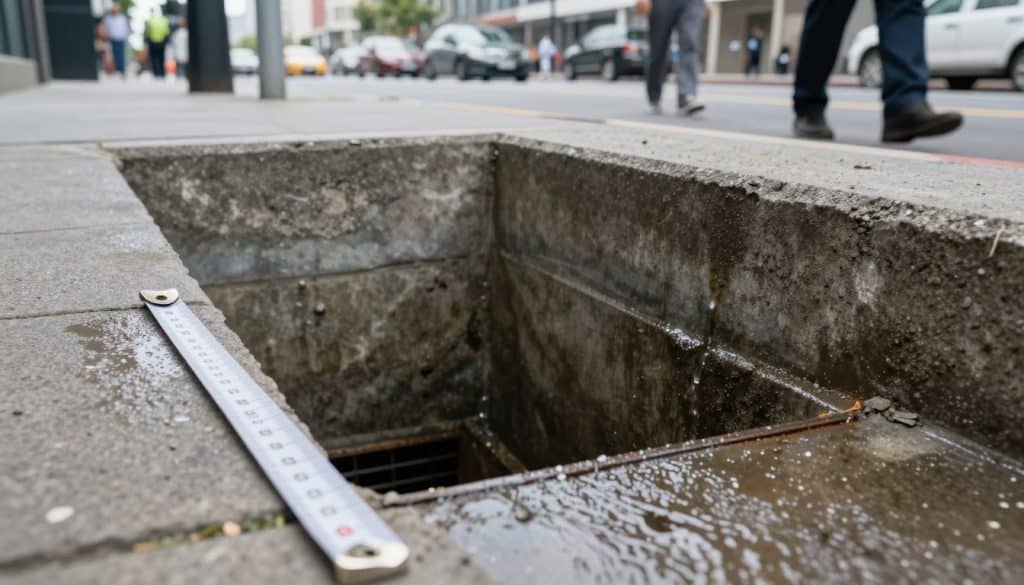
Most curb inlets feed underground pipes that carry fast flow away from streets. In some places the flow runs in roadside ditches or culverts that move water downhill.
Catch basins as first-stop debris collectors
Below many inlets a catch basin or sump traps heavier sediment, debris, and trash before water continues. These work well only if crews or municipal vacuum trucks clean them regularly.
Outfalls: where storm drain water meets local waters
The final point is the outfall — the pipe end that discharges stormwater to a nearby creek, stream, lake, pond, or wetland. Most systems do not treat runoff before this point, so oil, fertilizer, and other pollutants can reach bodies water quickly.
- Blocked basins raise flood and backup risk.
- Keeping trash and oil off streets reduces pollutants entering the system.
- When public systems overload, water finds the next low spot — often your yard or foundation.
Storm Drain vs Sewer System: How to Tell the Difference and Why It Matters
A simple rule helps most homeowners: pipes that collect roof and pavement runoff usually discharge to local creeks or ponds, while sewer systems carry household wastewater to a treatment plant.
What each system handles:
- Storm inlets move rain and surface water; they rarely include treatment.
- Sanitary sewer systems transport sewage and gray wastewater from toilets, sinks, and appliances for treatment.
Combined systems and heavy rain
In older neighborhoods, combined sewers carry both flows. During heavy rain these systems can overflow or bypass treatment. That sends mixed wastewater and runoff into streams.
Why dumping is never harmless
Pouring chemicals, paint, used oil, or waste storm debris into an inlet pollutes receiving water. Those pollutants harm drinking supplies, recreation, and aquatic life.
Practical steps: keep household chemicals out of outside inlets, use local hazardous-waste drop-off for oils and paints, and tidy yard debris before rain. These small actions reduce pollution and lower backup risk for your property.
Why Storm Drains Flood During Heavy Rain and What That Means for Homes
Intense rainfall exposes system limits fast. Pipes and open channels have a finite flow rate. When rain exceeds that rate, water piles up on streets and in yards.
Two main causes explain most flooding: the network is overwhelmed by peak rainfall, or capacity falls because of clogs and buildup.
Clogged openings and blocked basins
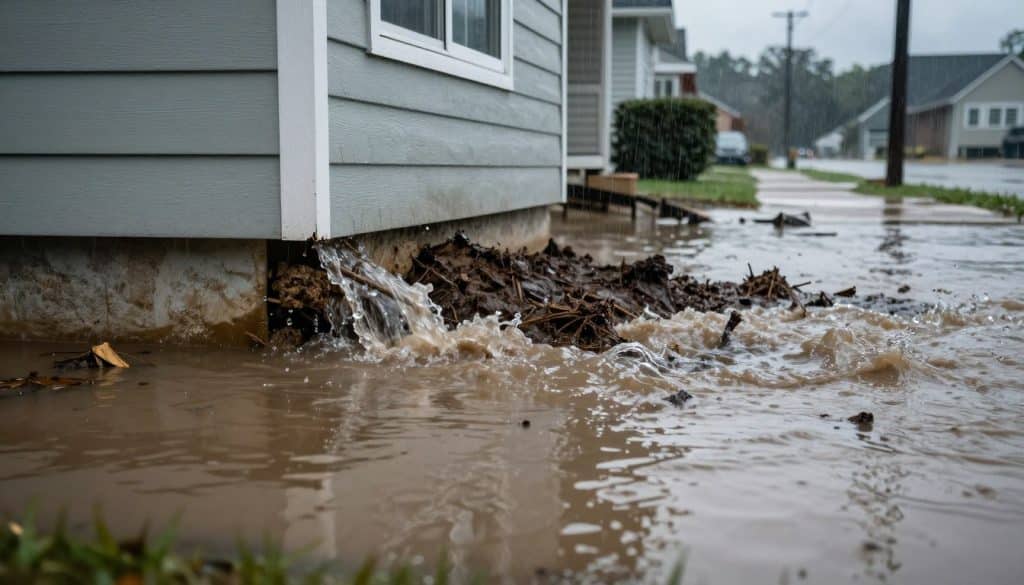
Leaves, trash, and sediment collect at curb inlets and in catch basins. Those blockages reduce the pipe capacity. Water then backs up onto pavement and spills toward low spots near homes.
Public systems overwhelmed
During heavy events, even well-maintained public systems can lag. Utility crews clear openings, but extreme intensity still causes street flooding. That extra surface water can reach basements in low areas.
Ponding and foundation risk
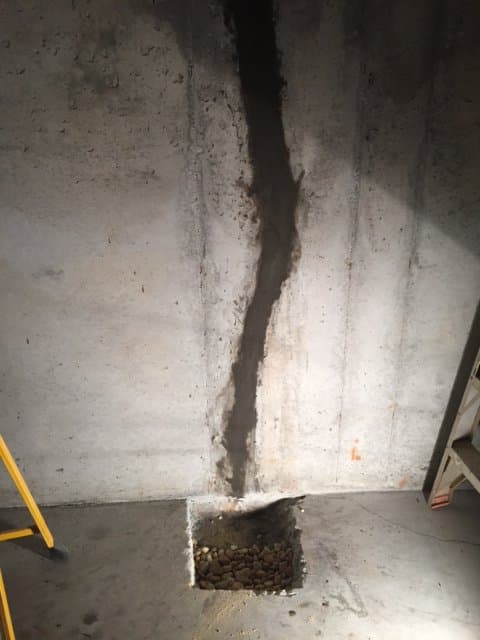
Ponding next to the house raises hydrostatic pressure against underground walls. Increased pressure pushes water through cracks, joints, and weak points and can cause basement leaks.
- Leaves and sediment reduce flow and fill basins.
- Peak rainfall can exceed system capacity.
- Private grading and exterior drainage upgrades often stop repeated interior problems.
Almost every home in Georgia with underground walls benefits from better exterior drainage and grading. I focus on practical fixes that often prevent the need for disruptive interior systems. After a heavy rain, a short walkthrough will reveal many of these issues — and I’ll show you what to check next.
How to Check If Stormwater Is Threatening Your Property
A short post-rain inspection shows the paths water uses and the spots most at risk. I’ll walk you through a simple check you can do in minutes to gather useful information for a written estimate.
Quick exterior walkthrough after rainfall
Start at the downspouts. Follow each downspout and splash block to see where water lands and pools.
Note low spots and any places that hold standing water after rain. Take wide photos and close-ups.
Signs your grading is pushing water toward the home
Your yard should slope away from the foundation. Look for soil washed down against the wall, damp masonry, or plants that struggle near the foundation.
Red flags around driveways, patios, and hard surfaces
Watch where runoff from surfaces funnels. Cracked joints, channels in mulch, and gravel loss show flow paths.
What to document for a written estimate
- Wide shots of problem areas and downspout locations.
- Close-ups of water lines, wet soil, and stressed plants.
- Notes on how long water lingers and which areas repeat after rain.
Drainage First serves Metro Atlanta areas. I make hands-on calls and provide a same-day written estimate so people can move from concern to clear action quickly.
How to Reduce Runoff and Keep Pollutants Out of Storm Drains
Directing water into soil and plants reduces both flooding and the pollutants it carries. Prevention matters because stormwater picks up oil, fertilizer, and litter before it leaves your property.
Keep debris and trash clear
Clean curbs and gutters each season. Rake leaves away from inlets and never sweep litter into the street.
Cut chemical sources
Use less fertilizer and time applications to avoid an upcoming rain. Store automotive fluids inside and pick up pet waste to limit chemicals and pesticides entering the system.
Use infiltration and better surfaces
- Direct downspouts to soil or a rain garden to soak up runoff.
- Shape shallow swales or bioswales to slow flow and filter stormwater.
- Consider permeable paving for driveways and walkways to reduce hard surfaces.
Plants and healthy soil do much of the filtering work. These simple steps cut pollutants and lower the chance water reaches your foundation. If water still pools near the house, the next smart move is improving exterior grading and drainage.
Smarter Solutions for Basement Water Problems: Exterior Drainage and Grading
A few targeted changes to your yard can keep most basement water problems from ever reaching the foundation. I start by tracing how water moves across the lot and fix the path before it hits the wall.
Modern components I use:
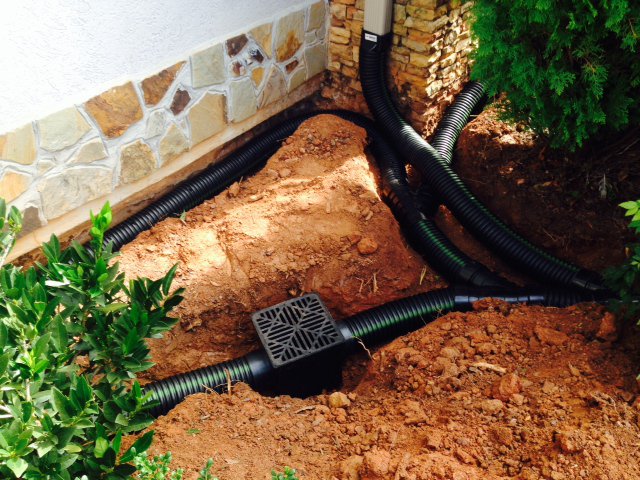
- Perforated pipes set in gravel to move groundwater away from the foundation.
- Geotextile filtration to stop fine soil from clogging the drain system.
- Occasional tanks or small retention areas to hold peak runoff and slow release.
Detention and retention slow peak rainfall and protect your yard and public lines from overload. That reduces the chance you need interior work.
Interior drain systems can fix a finished basement, but they are more disruptive and costly. I prefer exterior fixes first because they address the root cause.
Drainage First is locally owned for over 20 years. I make hands-on calls and provide a same-day written estimate so you can act fast. Call (678) 389-9544 or email carter@drainagefirst.com.
Conclusion
Simple, low-cost fixes often stop repeated backups before they damage foundations. Storm drainage systems move runoff from streets and parking lots through inlets and pipes to outfalls, so what enters a grate matters. Good maintenance keeps debris and waste out and limits clog-related flooding.
Understand the difference between storm drains and sewer systems to avoid pollution and preventable backups. Capacity limits and blockages cause most failures, and fast runoff raises pressure on yards, driveways, and basements.
Do a post-rain walkthrough, note low spots and flow paths, and address grading and exterior drainage early. Public utilities may help, but private fixes often deliver the biggest improvement fastest.
Drainage First serves Metro Atlanta, GA with owner-led, same-day written estimates. For a hands-on evaluation, call (678) 389-9544 or email carter@drainagefirst.com.