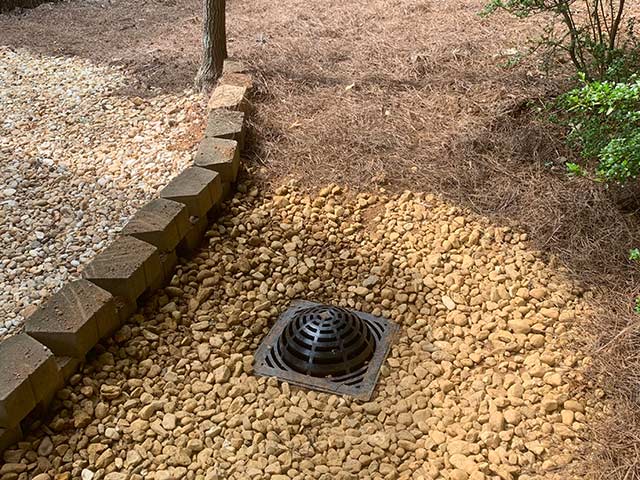
Drainage First Explains What Are French Drains Used For

On This Page

Curious what are french drains used for and why neighbors fix yards instead of buying expensive interior waterproofing? I ask that question because most wet basements start outside.

I’m the owner at Drainage First, a locally owned, owner-led company serving Metro Atlanta for over 20 years. We take a practical path: fix exterior drainage and grading first, then consider more invasive options. Our team gives fast, personal service and same-day written estimates. Call (678) 389-9544 or email carter@drainagefirst.com.

In plain terms, water moves on the surface and through soil. When subsurface water builds near a foundation it creates pressure that can shift walls and invite seepage. A french drain gives that water a controlled path out. It relieves pressure, protects the foundation and helps keep basements dry.

We focus on real causes, not quick fixes. Layout, slope, soil and the outlet all matter. In many cases improving exterior drainage stops the problem without disruptive interior work.

Key Takeaways

  • Drainage First is owner-led and serves Metro Atlanta with hands-on service.
  • A french drain manages subsurface water to relieve pressure on foundations.
  • Exterior grading and drainage often prevent interior repairs.
  • System design, slope and outlet determine long-term performance.
  • Call (678) 389-9544 or email carter@drainagefirst.com for a same-day written estimate.

What are french drains used for around your home and yard?

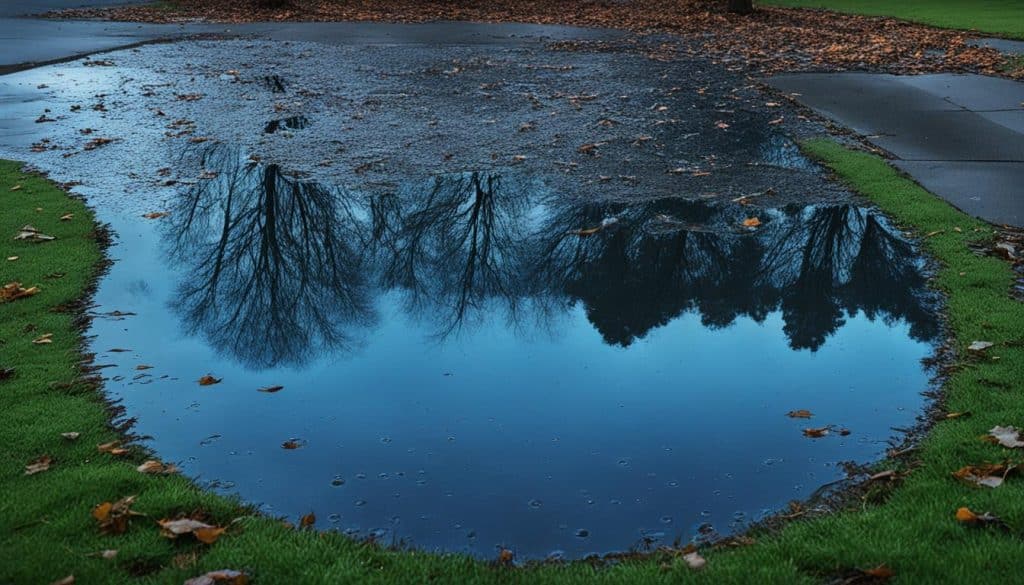
Standing puddles and soggy low spots give groundwater chances to press against walls. I focus on correcting exterior water paths first because that step often prevents basement leaks and costly interior work.
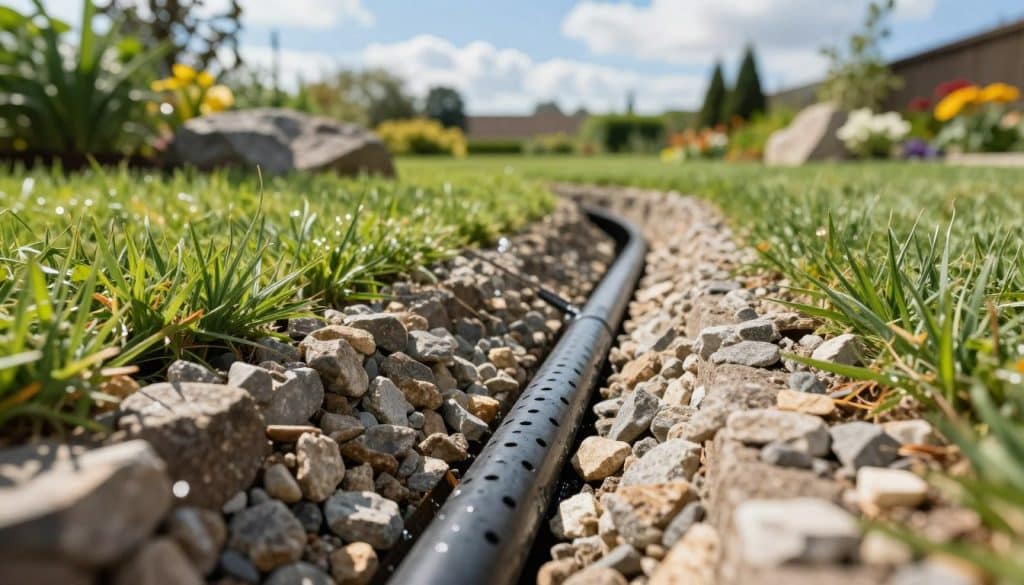
A close-up view of a french drain system, showcasing the gravel-filled trench with a perforated pipe positioned at the bottom, all surrounded by lush green grass and well-tended flower beds. In the foreground, focus on the textured gravel and the edges of the drain, highlighting the water flow entering the pipe. In the middle ground, show the garden landscape gently sloping towards the french drain, with a small decorative rock garden nearby, catching sunlight. The background features a clear blue sky with soft, fluffy clouds, creating a serene atmosphere. Use natural lighting to illuminate the scene, captured with a shallow depth of field to emphasize the drain while blurring the background gently, evoking a sense of tranquility and functionality in home drainage solutions.

Key benefits at a glance:

  • Keep water away from the foundation to lower the chance of cracks, seepage, and basement water damage.
  • Eliminate surface flooding in lawns and landscaping so low spots stop staying muddy after rain.
  • Protect grading and prevent soil erosion on slopes and along walkways by intercepting runoff.

Subsurface drains also relieve hydrostatic pressure that builds against below-grade walls over time. A properly placed trench gives groundwater a controlled route to an outlet instead of letting it collect near the house.

Look for recurring puddles, downhill runoff paths, wet strips along the foundation, or visible erosion. Those clues tell you when a trench-style drain makes sense versus simpler fixes like regrading or redirecting downspouts.

We evaluate Metro Atlanta properties quickly and personally. I’ll help you decide the sensible, least-invasive step that solves the real issue first.

How French drains work as a subsurface drainage system

A simple trench can change how water behaves around your foundation. I’ll walk you through the basic idea so the system makes sense without jargon.

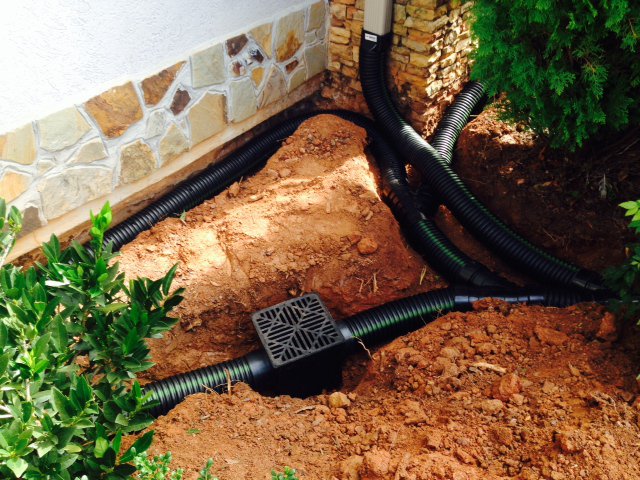
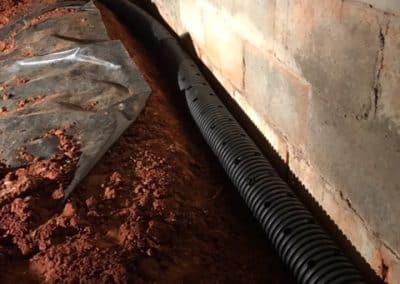
Basic design: Subsurface water moves through soil into a gravel envelope. Open voids in the gravel let water flow toward a perforated pipe. The pipe carries the water away to a planned outlet.

  • Trench and slope: A shallow, consistent grade uses gravity to keep water moving instead of pooling.
  • Gravel and pipe: Clean gravel creates space for water; the perforated pipe collects it and routes it out.
  • Filter fabric: Geotextile fabric limits soil particle migration but must be chosen and installed carefully to avoid early clogging.

Soil matters. Fine soil particles in clay or silty ground can wash into gravel and reduce capacity. Good filtration and proper aggregate size cut that risk.

Finally, water leaves by gravity to a low point when possible. If a gravity outlet isn’t available, we route the flow to a sump pump and discharge it away. The goal is simple: control excess water, reduce pressure on walls, and stop recurring wet spots.
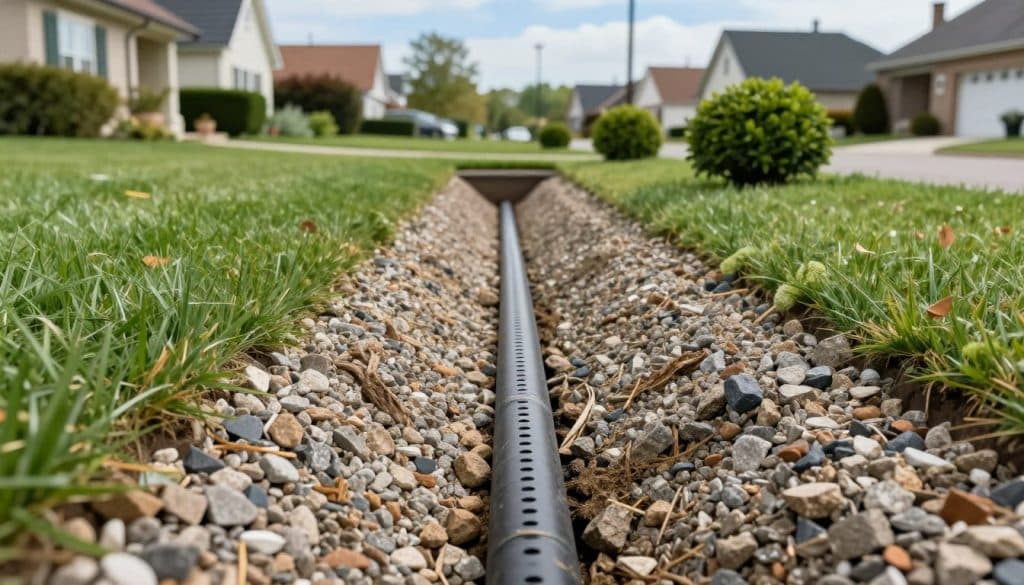
A detailed view of an exterior French drain system in a suburban setting, showcasing a gravel-lined trench filled with perforated pipe, designed to manage surface water effectively. In the foreground, the drain is partially exposed, with the gravel and pipe clearly visible, emphasizing its function. The middle ground features a lush, well-maintained lawn with vibrant green grass, contrasting with the drain, while a few decorative shrubs add charm to the area. In the background, charming houses with sloping roofs and clear blue skies enhance the idyllic suburban atmosphere. The scene is illuminated by soft, natural daylight, capturing the essence of a peaceful afternoon. The image should convey a sense of functional beauty and practicality, portraying the important role of French drains in preventing water accumulation.

French drain installation basics homeowners should understand

Start with a clear plan: mark the problem area, pick the cleanest route, and place the outlet so water leaves the yard instead of returning near the foundation.

Planning the trench path and outlet

I lay out a trench that follows natural fall and avoids utilities. Call 811 before digging. A good outlet is downstream and far enough from the house to prevent pooling.

Getting the grade right

Grade matters. I check slope with levels so the pipe always runs downhill. A continuous pitch keeps water moving even during heavy rain.

Choosing lasting materials

Use the right pipe and clean, filled gravel to create void space. Rigid pipe resists crushing; perforations must face down. Proper landscaping fabric separates soil from stone without clogging.

Common mistakes and maintenance

  • Outlets that dump near the house
  • Flat trenches that trap water
  • Poor backfill that settles and invites debris

Maintenance is simple: watch for slow flow, remove debris, and inspect after freeze cycles that can crack pipe.

At Drainage First, I give same-day written estimates and start work quickly. We fix exterior grading and drainage first so you avoid costly interior repairs.

Exterior French drain vs interior French drains for basement water problems

Deciding whether to stop water outside or manage it inside is the big choice for homeowners. I evaluate the yard first and look for simple fixes that prevent basement seepage.

When an exterior solution often solves the issue

Exterior french trenches intercept runoff and move water down a grade so it never presses on the foundation. This way reduces pressure and cuts the chance of long‑term damage.

When an interior system makes sense

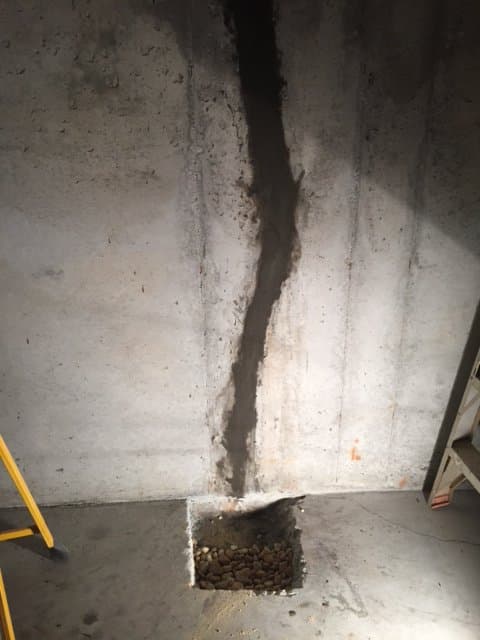
Sometimes the basement sits too low or there is no gravity outlet. In those cases interior french drains route water to a sump tank. A sump pump then sends water outside to a safe discharge point.

Why interior-only approaches can be costly

Interior-only work breaks concrete and affects finished space. It can be more disruptive and expensive than correcting exterior grading and installing an exterior french drain.

  • I help homeowners screen the issue: track where water appears and how fast.
  • I prefer exterior-first fixes when possible and add a sump pump when needed.
  • Local, hands-on service with a same-day written estimate in Metro Atlanta.
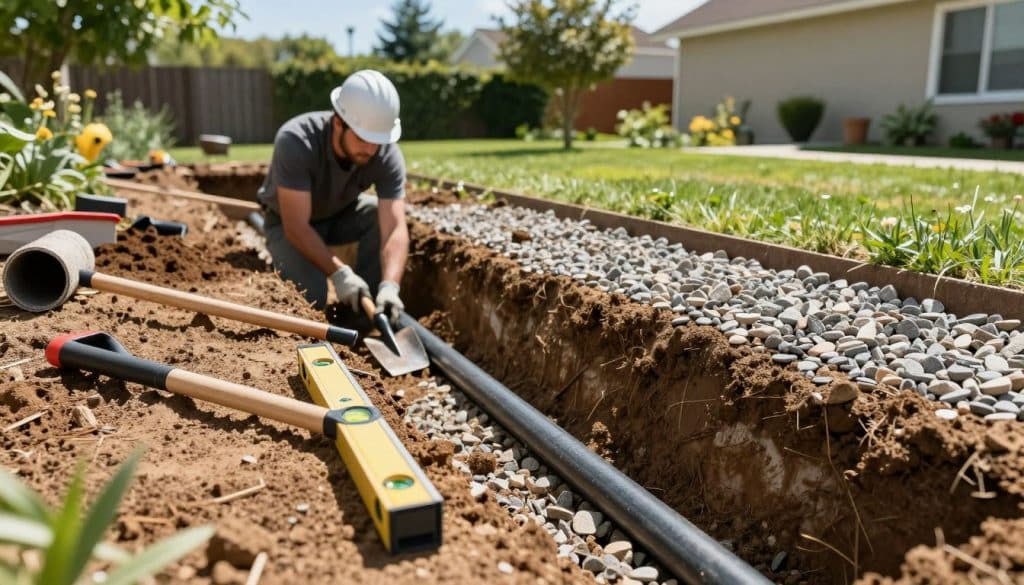
A detailed scene of a French drain installation in a suburban backyard, showcasing a well-organized workspace. In the foreground, a professional contractor in a hard hat and gloves is digging a trench, surrounded by essential tools like a shovel, level, and a roll of drainage pipe. In the middle, the trench reveals freshly laid gravel and the French drain system partially installed. The background features a neat garden with green grass, trees, and a clear blue sky, creating a bright and sunny atmosphere. Soft, natural lighting illuminates the scene, enhancing the textures of the soil and gravel. The angle should provide a comprehensive view of the installation process, capturing both the technical and practical aspects of French drains.

Conclusion

A well-designed trench and pipe give unwanted water a clear path away from structures.

This brings key benefits: moving water away from problem areas, lowering pressure on the foundation, fixing soggy surface spots, and reducing risk of water damage and erosion.

Do it right: keep consistent slope in the trench, use a clean gravel envelope, pick a reliable pipe, add proper filtration to limit soil migration, and plan a safe outlet so water flows away.

Drainage is site-specific. Note where water pools, map erosion patterns, and check if the issue starts outside before tearing into a basement. Even good systems need periodic maintenance to clear debris and keep flow steady.

We’re locally owned in Metro Atlanta with 20+ years of hands-on service. Call (678) 389-9544 or email carter@drainagefirst.com for a same-day written estimate and a quick start.
FAQ

How does Drainage First explain french drains and their purpose?

I explain that these subsurface systems pull excess water away from problem areas. They channel runoff and groundwater into a perforated pipe surrounded by gravel and fabric, reducing pressure near foundations, preventing basement leaks, and stopping surface flooding in low spots.

How do these systems protect a home’s foundation and basement?

I focus on keeping water away from the foundation by redirecting subsurface flow. Properly placed and graded trenches relieve hydrostatic pressure, lowering the risk of wall leaks, damp basements, and soil movement that can damage the structure.

How do they handle standing water and low-lying yard flooding?

They collect surface runoff and subsurface seepage, transporting that water to a safe discharge point. This eliminates puddles, improves lawn health, and prevents erosion in landscaping and along walkways.

How does soil type affect performance and clogging risk?

Soils with fine particles increase clogging risk. I specify filter fabric and correctly sized gravel to limit soil migration into the pipe. Sandy or loamy soils drain better, while clay needs extra attention to filtration and maintenance.

How is the basic system constructed?

The core elements are a sloped trench, an envelope of clean, filled gravel, a perforated pipe to collect water, and geotextile fabric to keep soil out. Proper slope and outlet location let gravity move water away without relying on pumps in many cases.

How do I know whether to route water to a low point or to a sump?

I assess the site. If a gravity discharge to a storm drain, drywell, or downhill area exists, that is preferred. If no outlet is available, routing to a sump tank with a sump pump provides a reliable alternative.

How should homeowners plan trench paths and outlets?

I plan routes that pull water away from the house, avoiding utilities and minimizing disruption to landscaping. The outlet must be downhill or tied into an approved drain point to ensure consistent flow after heavy rain.

How important is grade when installing a drain?

Grade is critical. Even small errors reduce flow and cause backups. I set a steady slope to keep water moving toward the outlet and test it before backfilling.

Which materials last longest in these systems?

I recommend durable, perforated PVC or corrugated pipe rated for drainage, clean angular gravel for the envelope, and heavy-duty geotextile fabric. Using the right sizes and materials minimizes maintenance and extends system life.

Which common installation mistakes cause failures?

Typical errors include poor slope, inadequate outlet, skipping filter fabric, using fine fill that clogs, and locating the trench too close to foundations. I address these upfront to avoid recurring water damage.

When should homeowners consider interior drainage instead of exterior work?

Interior systems make sense when exterior access is limited or when you need a quick interior fix. They collect water inside and discharge to a sump pump. I still evaluate exterior grading first, because fixing the outside often prevents repeat interior work.

Why might exterior solutions be preferable to interior-only repairs?

Exterior drains and improved grading stop water before it reaches the foundation. That reduces long-term reliance on sump pumps and prevents repeated disruption inside the basement, saving money and hassle over time.

How often do these systems need maintenance?

Maintenance is minimal but necessary. I recommend annual checks for debris at outlets, clearing surface inlets, and inspecting the sump pump if present. Proper design reduces maintenance frequency.

Can landscaping be preserved during installation?

Yes. I plan trench routes to avoid major plants and hardscapes when possible. Using clean backfill and careful restoration helps the yard recover quickly after installation.

How quickly will a properly installed system stop water problems?

Homeowners often see immediate improvement after installation. Performance depends on correct grading, materials, and outlet. I verify flow during the job to ensure the system works when heavy rain arrives.

Best Solutions

We have experience with a wide range of water issues.

See our Work

View our amazing drainage transformations.

Free Estimate

Contact us today to schedule a free consultation.

Services We Offer

What Our Customers Are Saying

Customer satisfaction is at the heart of everything we do. But don’t just take our word for it – hear what some of our happy clients have to say:

Posted on Google Google
Nancy Rudy profile picture
Nancy Rudy
Google star 1Google star 2Google star 3Google star 4Google star 5Trustindex verifies that the original source of the review is Google.
Carter was exceptional!! He came out today to check a potential drainage issue around my basement doors. After a thorough inspection, he determined that I only needed a handyman to replace the threshold, rather than his company's services. I especially appreciated his honesty and integrity. He didn't try to sell me unnecessary services. I will definitely keep his business card for the future.
Posted on Google Google
Dennis Fox profile picture
Dennis Fox
Google star 1Google star 2Google star 3Google star 4Google star 5Trustindex verifies that the original source of the review is Google.
Drainage First is truly an excellent source to fix your drainage/irrigation issues. Carter applies knowledge handed down and first hand experiences. Our issue was fixed as laid out and on time. His crew left a clean finished product. Highly recommend this organization.
Posted on Google Google
Karen & Dan Brown profile picture
Karen & Dan Brown
Google star 1Google star 2Google star 3Google star 4Google star 5Trustindex verifies that the original source of the review is Google.
Carter & his team showed up on time, did the work requested, & cleaned up. Carter answered all of my questions.
Posted on Google Google
Pam White profile picture
Pam White
Google star 1Google star 2Google star 3Google star 4Google star 5Trustindex verifies that the original source of the review is Google.
Carter and the Drainage First team did a great job fixing the issues I had with my French Drain, which was getting completely overwhelmed by all the rain we’ve had. Carter first came out with a scoping camera and showed me the issues in real time, and talked over potential solutions. He didn't try to sell me a whole new system, but instead was able to walk me through what exactly needed to be repaired. I was able to receive the quote pretty quickly and schedule them to come out and do the repairs. They were quick and efficient, and did a great job of leveling out the part of the yard that needed to be dug. I would highly recommend using this company for any drainage needs.
Posted on Google Google
Corey Andre profile picture
Corey Andre
Google star 1Google star 2Google star 3Google star 4Google star 5Trustindex verifies that the original source of the review is Google.
Cannot recommend Drainage First enough! This was the first company that actually worked with me to give a customized quote to repair what was necessary vs. just recommending to replace a whole system. Carter was fantastic to work with and was fast, responsive, and knowledgeable. Thanks so much!
Posted on Google Google
Carol Herrmann profile picture
Carol Herrmann
Google star 1Google star 2Google star 3Google star 4Google star 5Trustindex verifies that the original source of the review is Google.
I had some drainage problems related to French drains installed years ago and Carter came to my house at 12 noon as promised and performed a thorough assessment of the basement and drains. He was able to reattach one drain and advised me how how to fix the other one. His office staff was also very helpful and responsive to communications. I recommend them highly without reservation!
Posted on Google Google
Marcin W profile picture
Marcin W
Google star 1Google star 2Google star 3Google star 4Google star 5Trustindex verifies that the original source of the review is Google.
Carter and Traci at Drainage First completely solved my water drainage issues. He and his team installed downspout drains and catch basins throughout the yard and for 3 years it has held up solidly with no issues. Before they installed the drains, I had a river running through my yard to the street every time it rained heavily. Now it's all washed down into the drains and I never have to worry about the landscape being washed away. Easy 5 start review.
Posted on Google Google
Diane Weinberg profile picture
Diane Weinberg
Google star 1Google star 2Google star 3Google star 4Google star 5Trustindex verifies that the original source of the review is Google.
Absolutely the BEST! Carter explained in detail what my water issue was and the best route for repair. Carter and his crew arrived on time, were professional ,and took great care in getting the job done. I highly recommend Carter and Drainage First for all of you water/Drainage issues!
Posted on Google Google
Nick Serba profile picture
Nick Serba
Google star 1Google star 2Google star 3Google star 4Google star 5Trustindex verifies that the original source of the review is Google.
👍Drainage First did a Professional job…Carter did what they said they would do, helping resolve a difficult problem in my home . He also “went above” what most contractors have done on other jobs regarding excellent cleanup…👍
Verified by Trustindex
Trustindex verified that these reviews were published on Drainage First's Google Business Profile. Learn more
Drainage First - About Us - Contact Us

Call us now for your free estimate
24/7 Service Available

Share:

Learn More, Check Out

Send Us a Message