Have you ever wondered what truly stops recurring water from reaching your foundation and whats the real cost for basement waterproofing means for the value it brings to Atlanta homeowners?
I’m the owner of Drainage First, locally owned and operated in Metro Atlanta for over 20 years. I focus on fixing poor exterior drainage and grading first so water never gets to the walls. This approach often lowers long-term costs and reduces the need for big interior systems.
We offer fast, personal, owner-led service with a written estimate the same day. Call (678) 389-9544 or email carter@drainagefirst.com to schedule a visit.
This buyer’s guide previews national averages, Atlanta pricing drivers, interior vs. exterior options, per-linear-foot pricing, add-on repair items, and how to compare bids. Expect clear ranges and simple rules to help you decide.
Key Takeaways
- Drainage-first fixes often prevent the need for complex interior systems.
- Prices vary because where water starts changes the solution and the scope.
- We provide same-day written estimates and owner-led calls.
- Exterior grading can reduce repair size and overall expense.
- Use our simple rules to compare contractor bids with confidence.
Basement Waterproofing Cost in Atlanta: What Homeowners Should Expect
Understanding typical national pricing helps Atlanta homeowners plan real repairs and avoid surprise bills. I use national averages as a guide, then adjust for local runoff, lot slope, and access constraints that change the scope.
National benchmarks: the average sits near $5,228 with a common range of about $2,459–$8,186. Simple crack sealing plus a coat of protective paint can be near $1,000. Those numbers help set expectations.
Mold can start in 24–48 hours. Left unchecked, moisture can lead to water-damaged finishes, mold remediation ($500–$3,500), and foundation repair bills that often run $2,000–$8,500 or more. Underpinning can exceed $25,000.
- Lower-priced fixes can fail when runoff or hydrostatic pressure drive the leak.
- Small damp spots may be handled with a modest approach; active seepage or standing water needs a full drainage strategy.
- I recommend reducing water at the source. That approach protects your foundation and limits long-term repair costs.
What “Basement Waterproofing” Really Means for a Georgia Basement
Good waterproofing starts with knowing whether a plan stops water at the yard or manages it after it gets inside. I explain both so you can compare proposals clearly.
Waterproof vs. water-managed: A waterproof basement aims to keep water away from the exterior wall. A water-managed approach accepts some entry and then channels it with drains and pumps.
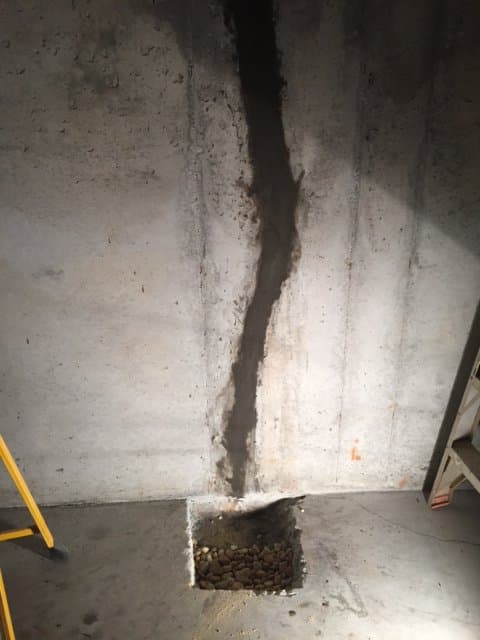
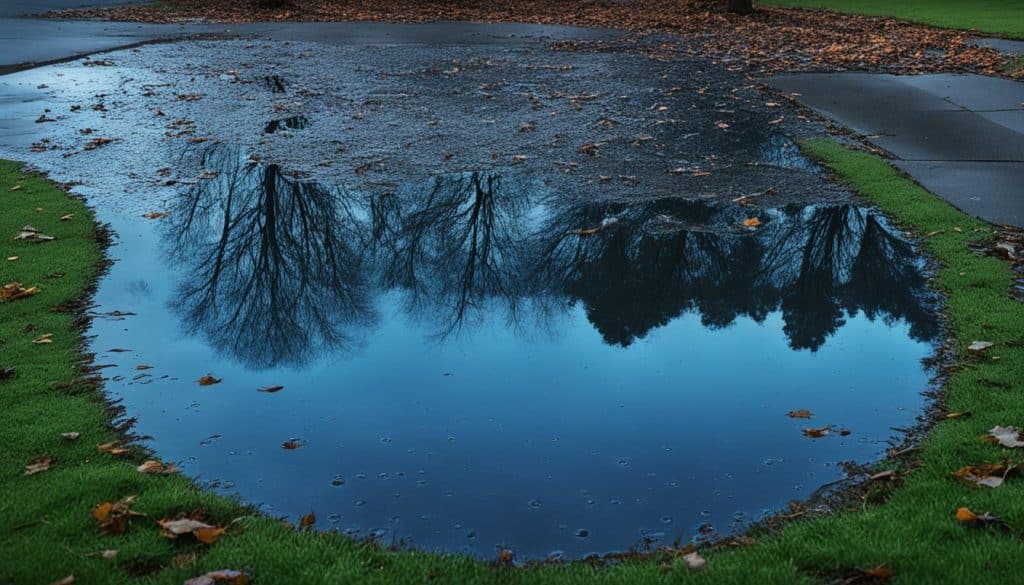
Common Georgia leak paths are simple. Roof runoff dumped at corners, short downspouts, and negative grading concentrate water near the foundation. Cracks in walls let that water through.
Hydrostatic pressure is the underground force that pushes groundwater through weak points. After heavy rains and saturated soil, that pressure drives leaks through mortar joints and tiny cracks.
- Water usually starts at the roof and yard, pools near the foundation, then finds the easiest entry point in the walls.
- My method: control surface drainage first, then repair cracks and add interior systems only if needed.
- A true waterproofing system uses multiple components—not a single coating—so it lasts and reduces long-term maintenance.
Key Factors That Make Basement Waterproofing Costs Vary Significantly
A few simple site and foundation details often explain why bids can vary significantly between neighbors. I break down the main drivers so you can compare proposals on scope, not just price.
Size, depth, and pricing method
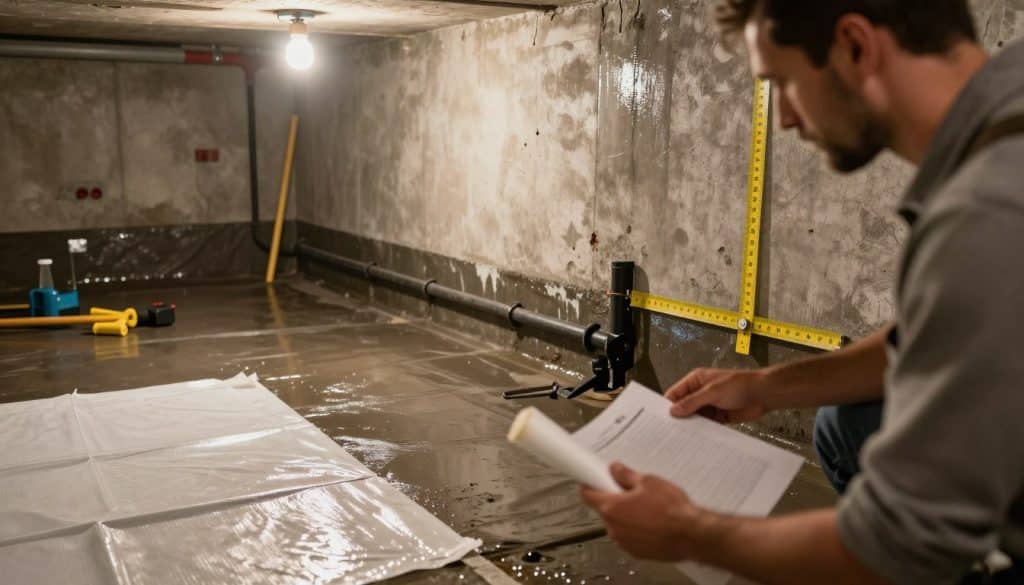
Contractors may charge per square foot for treatments or per linear foot for perimeter drains. Perimeter work often sets the final number because drain runs and wall access take time.
Foundation type and age
Poured concrete behaves differently than block walls. Block foundations have mortar joints that wick water and usually need more materials and labor to seal correctly.
Severity of water intrusion
Dampness and stains need less work than active seepage or standing water. Each level raises labor, materials labor, and the chance of added repairs like tear-out or mold remediation.
Location and pre-work
Permit fees ($75–$500), limited access, or busy seasons raise price. Hidden fixes—crack injection, structural repairs, or junk removal—also increase repair costs.
- Ask contractors for per linear and per square foot breakdowns.
- Request written lists of pre-work and expected permits.
- Compare bids line-by-line to spot missing items.
Typical Price Ranges for Basement Waterproofing in the United States
Most projects fall into clear low, mid, or high ranges — and the scope tells that story more than the headline price. I use national numbers to set realistic expectations and to help you ask smarter questions of any bidder.
What averages look like and common scenarios
The national average sits near $5,228, with a common band around $2,459–$8,186. Simple crack sealing plus a coat of paint can be near $1,000. At the high end, full exterior excavation with French drains and membrane systems can top $20,000+.
Labor and seasonal impacts
Labor is a major driver; crews often bill around $200 per hour. Busy spring and summer seasons push start dates out by roughly three months and can raise rates as demand rises.
- Low-end: coatings and minor sealing — quick but often temporary.
- Mid-range: interior drain systems and targeted repairs — durable if site prep is right.
- High-end: exterior excavation, membrane, and perimeter drainage — built to last decades.
I recommend planning before the rainy stretch. My goal is the lowest long-term expense to keep your basement dry, not the cheapest invoice today.
Cost by Basement Size: Square-Foot Estimates to Start Your Budget
Square footage gives a quick budget snapshot, but the real price depends on perimeter and moisture sources.
Use these size-based ranges as a starting point when planning work on your basement. They reflect typical materials, labor, and basic drain or sealing work.
- 500 sq ft: $1,500–$5,000 — small projects often include targeted sealants and limited interior drain runs.
- 1,000 sq ft: $3,000–$10,000 — mid-size jobs add longer perimeter runs and more labor.
- 1,500 sq ft: $4,500–$15,000 — larger area often needs more materials and possible tear-out in problem zones.
- 2,000 sq ft: $6,000–$20,000 — big basements may require full perimeter drains and extra pumps or repairs.
Why larger areas sometimes cost less per square foot
Fixed setup and mobilization time get spread over more square feet. That reduces the per-unit price on larger projects.
Still, walls and perimeter length usually matter more than open floor area. A short, deep perimeter with heavy water issues can be pricier than a wide, shallow room with good yard drainage.
Actionable tip: Confirm your basement area, measure the perimeter, and mark where water appears before you compare bids. The cheapest per-square-foot quote won’t save money if it ignores runoff and wall repairs.
Per Linear Foot Pricing: Drains, Weeping Tile, and Perimeter Systems
Pricing per linear foot makes bids simpler to list. It also hides scope differences unless you know what to check. I walk homeowners through common ranges and the line items that matter.
Typical ranges you should expect
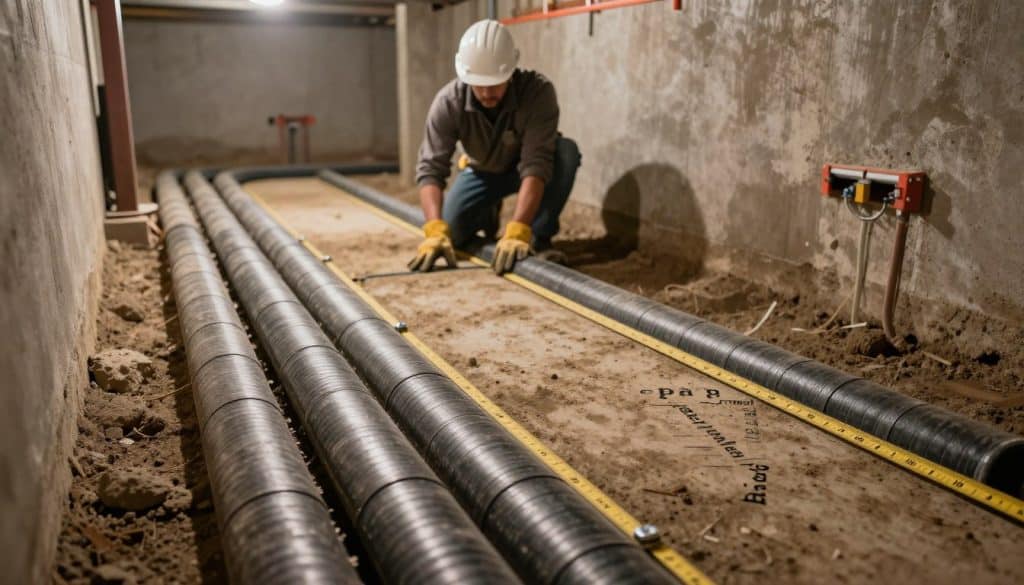
Interior weeping tile: about $60–$120 per linear foot. Subfloor tile often runs $25–$55 per linear foot.
Exterior French drains: can range from $10–$100 per linear foot depending on depth, rock, fabric, and discharge routing. Some markets average near $85 per linear foot.
How to compare “per linear” bids
- Check if the price includes sump pit and pump or if those are extra.
- Confirm gravel depth, pipe type, and cleanouts.
- Ask where discharge is routed and whether permits are included.
- Measure your perimeter yourself to estimate total linear foot and validate the bid.
Tip: Focus on drainage first. Controlling water at the foundation often reduces system size and long-term costs and gives the best value from any per-linear quote.
Interior Basement Waterproofing Cost: When It Helps and When It Doesn’t
When water shows up inside, an interior approach can be the quickest way to protect finishes and storage. I explain what interior work usually includes, how invasive it is, and when it will actually solve the problem.
Typical ranges and what’s included
Average project: about $3,000 (often $2,000–$6,000). That usually covers collection drains, a sump pit, a pump, and discharge piping. It rarely includes fixing yard runoff or major wall repairs.
Drains, jackhammering, and disruption
Interior drain systems need slab cutting or jackhammering. Expect noise, concrete dust control, and a day or more of demolition. Crews remove spoil, pour new concrete, and reconnect finishes.
Paint, pumps, and limits
Waterproof paint runs about $1–$8 per sq ft. It can reduce dampness but won’t stop pressurized leaks through concrete walls.
Sump pump installs are commonly $1,200–$2,500. Plan semi-annual checks and battery replacement every 3–4 years. A pump helps only while the system is maintained.
- When it helps: short-term leak control, protecting interiors, adding backup protection.
- When it doesn’t: persistent exterior runoff or high hydrostatic pressure driving water through walls.
Exterior Waterproofing Cost: Excavation, Membranes, and Long-Term Protection
Digging at the outside edge of your foundation is often the most permanent way to keep water away. Exterior work stops entry at the source and protects concrete walls and interior finishes over time.
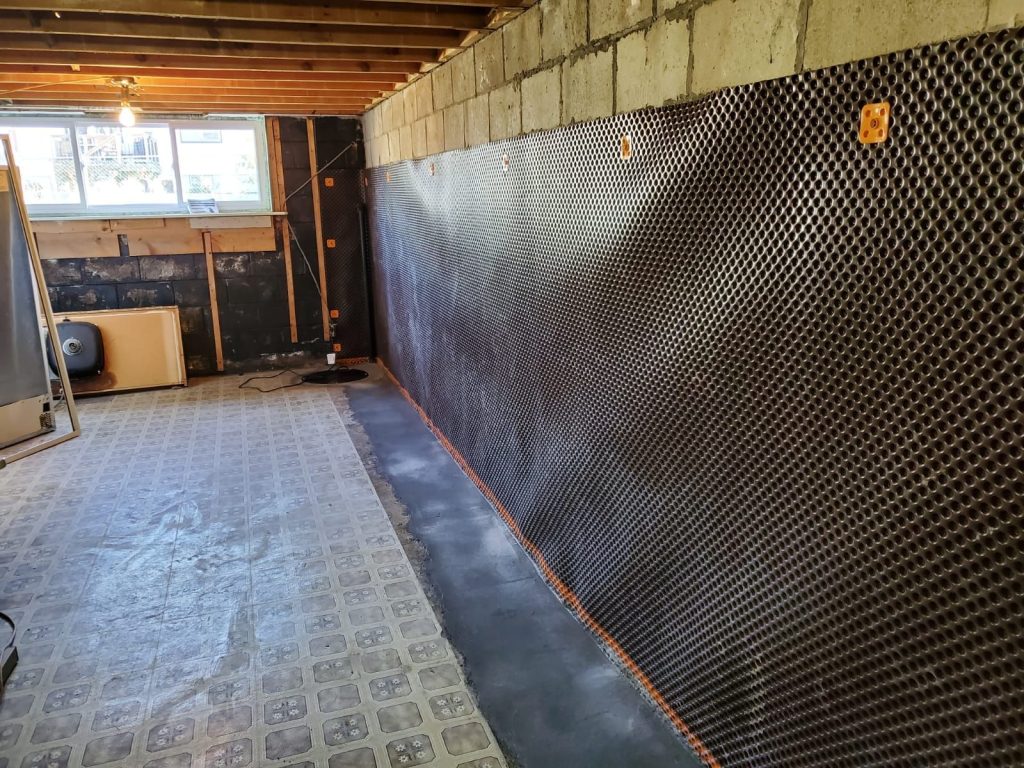
What exterior waterproofing includes: excavation, wall prep, a waterproof barrier or membrane, drainage board, and controlled backfill. These pieces work together to keep soil moisture from pushing through foundation walls.
Excavation and access
Excavation commonly runs about $50–$200 per cubic yard. Tight access near patios, driveways, or decks raises equipment needs and total price. Large digs with French drains and membrane systems can top $20,000.
Membrane choices and details
Liquid membrane averages near $4.50 per square foot. Sheet membrane is often about $5 per square foot. Seams, penetrations, and detail work drive final value. A properly installed membrane is a continuous barrier against ground water.
- Drainage board or dimple assemblies protect the membrane and guide water to perimeter drains.
- Regrading and redirecting runoff often lower scope and long-term repairs.
- Expect higher upfront expense, but less maintenance than interior-only fixes over time.
Interior vs. Exterior Waterproofing Systems: Cost Comparison and Best-Fit Uses
Deciding between inside repairs and outside drainage starts with where the water actually begins its journey.
Interior systems usually treat symptoms. They collect water that already made it through the wall and move it out via a sump and drain. Typical projects land around $2,000–$6,000 and focus on slab cuts, drains, and a pump.
Why interior often treats symptoms and exterior fixes the cause
Interior work protects finishes fast. It stops standing water and protects storage. But it rarely stops the yard or soil driving water at the wall.
Exterior systems attack the source. They regrade, add French drains, and apply a barrier so water never presses on the wall. Expect typical ranges near $7,000–$15,000 depending on access and scope.
When both approaches make financial sense
- High-risk lots: exterior drainage first, interior pump as backup.
- Homes with repeated entry: exterior repair plus an interior sump improves redundancy.
- Limited access: start inside now, plan exterior work later to prevent repeat repairs.
Bottom line: I recommend starting outside when practical. We aim to prevent water at the source and use interior systems as a reliable backup. That approach saves time and reduces long-term costs while keeping your home dry.
Hidden and Add-On Costs to Plan for in Your Waterproofing Budget
A modest leak can reveal several separate repair needs once walls and finishes are opened. I list the usual surprises so you can plan realistically.
Crack repairs, tear-out, and cleanup
Crack injection is commonly $800–$1,500 per crack for stable, non-moving foundation cracks. If the foundation still shifts, injection may be temporary and crews will recommend stronger fixes.
Finished rooms often need tear-out. Wet drywall, insulation, and flooring raise repair costs. Expect water damage repair ranges near $1,360–$6,290 and junk removal around $130–$370.
Mold risk and quick action
Mold remediation commonly runs $500–$3,500. Acting fast shrinks the affected area and lowers overall remediation cost. I prioritize quick cleanup when I see organic growth.
Gutters, window wells, and allowances
Simple fixes like gutters, downspout extensions, and grading often cost less than large systems. Gutters typically install at $650–$1,750. Window wells and egress drainage range $2,000–$5,000 per well; egress windows often land $2,500–$5,000 each.
- Common surprises: crack repair, tear-out, mold work, junk removal, and window well fixes.
- Ask contractors to list these items as written allowances or alternates in the bid.
- Prioritize drainage and quick remediation to keep total costs down and protect your home.
DIY vs. Hiring a Pro: Real-World Cost Tradeoffs for Homeowners
Deciding whether to DIY or hire a pro changes the immediate budget and the long-term risks to your home. I help homeowners choose tasks that save money without creating bigger problems down the road.
What homeowners can handle
Simple paint, dehumidifiers, and minor sealing are good weekend projects. These methods reduce dampness and improve comfort. They do not fix pressure-driven leaks or major wall gaps.
What to leave to professionals
Excavation, slope calculations, concrete cutting, and electrical work belong to licensed crews. Pros manage permits, dust control, and pump wiring safely.
How DIY mistakes raise long-term risk
Incorrect drainage routing or poor concrete cuts can let water worsen and hide damage behind finishes. That leads to repeated repairs and higher materials and labor later.
- Rule of thumb: DIY prep and monitoring; hire pros for below-grade or structural work.
- Use small projects to buy time, not as a permanent solution.
- Get a written plan from a contractor before major work begins.
How to Save Money on Basement Waterproofing Without Cutting Corners
Small choices during bidding and scheduling can shave thousands off a project. I focus on practical steps that protect performance, not just the lowest sticker price.
Get multiple written estimates and compare scopes line-by-line
Ask at least three contractors for written bids. Compare the scope, not just the number. Check whether the quote includes sump pits, pumps, disposal, and permits.
Choose durable materials to reduce repeat work
Higher-grade membranes, solid pipe, and correct gravel cost more upfront. They last longer and cut future labor and replacement needs.
Prioritize drainage and grading first
Addressing yard slope and downspout routing reduces the water load on walls. That often lets you pick a smaller interior system or skip invasive repairs.
Schedule strategically and negotiate fairly
Book outside peak months if possible to avoid premiums. Ask contractors for phased options and written alternates so you can spread work without surprises.
- Practical playbook: compare line items, choose durable materials, fix drainage first, and plan timing.
- Insist on written cleanup and disposal in every bid to avoid surprise charges.
Why Metro Atlanta Homes Often Need Smarter Drainage and Grading Solutions
Metro Atlanta yards often hide simple drainage problems that turn into wet foundation walls after heavy storms. I focus on the exterior first because it is where water usually starts.
Common local water issues
Runoff from roofs and streets moves quickly across compacted soil. Low spots and short downspouts let water pool against foundations. That constant load forces water into walls and into the lower levels of many homes.
Why exterior solutions work
Fix the slope and route runoff to a safe outlet and you stop most problems before they require interior demolition. Exterior grading redirects water away from foundations. Extended downspouts and yard drains keep surface water moving.
Practical exterior upgrades I recommend
- Regrading near the foundation to create positive slope.
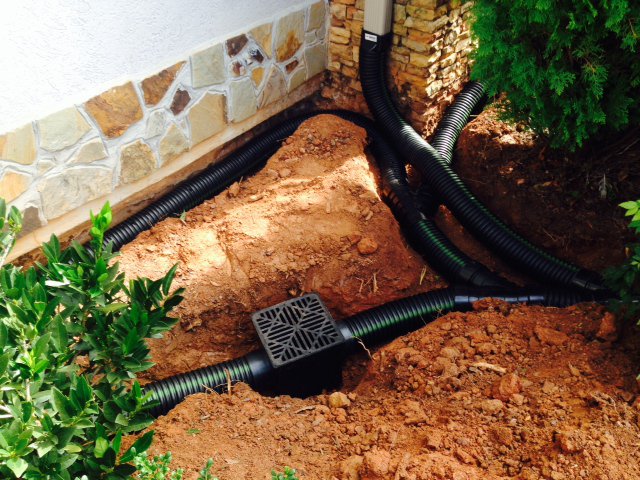
- Extending downspouts to discharge at safe points away from foundations.
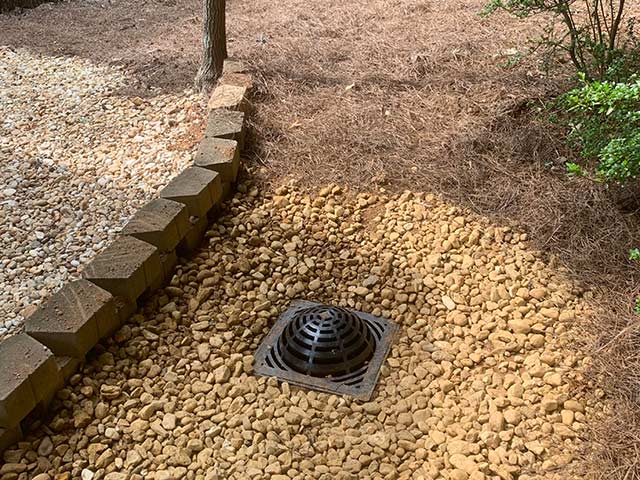
- Installing yard drains and controlled discharge lines to handle heavy flows.
- Using surface channels and mulch beds to slow and redirect runoff.
Most basement water issues are drainage problems first. Start with exterior solutions and you often avoid invasive interior work. That approach keeps walls dry, protects foundations, and makes a waterproof basement more achievable with less disruption.
Why Homeowners Choose Drainage First for Affordable Basement Water Solutions
I started Drainage First to help Metro Atlanta homeowners stop water at the source. We focus on exterior fixes that often prevent invasive interior systems and save money over time.
Locally owned and operated for over 20 years in Metro Atlanta
Two decades of local work means I know where runoff starts, how grading fails here, and which details make a repair last. That experience speeds diagnosis and reduces unnecessary work.
Fast, personal service: hands-on calls and same-day written estimates
We make every service call ourselves. I inspect the site, explain options, and deliver a written estimate the same day. That direct contact saves time and avoids miscommunication with contractors.
A practical alternative to costly interior systems
Many companies push large interior installs even when exterior drainage will solve the problem. My approach favors targeted exterior solutions that reduce long-term costs and disruption.
Service area and contact
- Service area: Metro Atlanta, Georgia and nearby areas.
- We troubleshoot runoff, regrade, and install exterior drains when needed.
- We also recommend interior backups only when they add real protection.
Ready to schedule? Call Drainage First, dial (678) 389-9544 or email carter@drainagefirst.com to request an estimate.
Conclusion
Before you sign any estimate, know the few facts that will keep your walls dry and your repairs lasting.
The national average sits near $5,228. Interior work commonly lands around $2,000–$6,000. Exterior projects often range $7,000–$15,000. Per linear foot pricing varies widely by system and access, so check line items closely.
My buying logic is simple: identify where water starts, stop it at the source, then add backup systems like a sump pump only if needed.
When comparing contractors, verify scope, materials and labor detail, warranty terms, discharge plan, and realistic timeline.
Paint and sealants help short-term. Long-term waterproof results usually begin with exterior waterproofing, a membrane or barrier, and proper drainage.
Ready for a practical plan and same-day written estimate? Call (678) 389-9544 or email carter@drainagefirst.com.