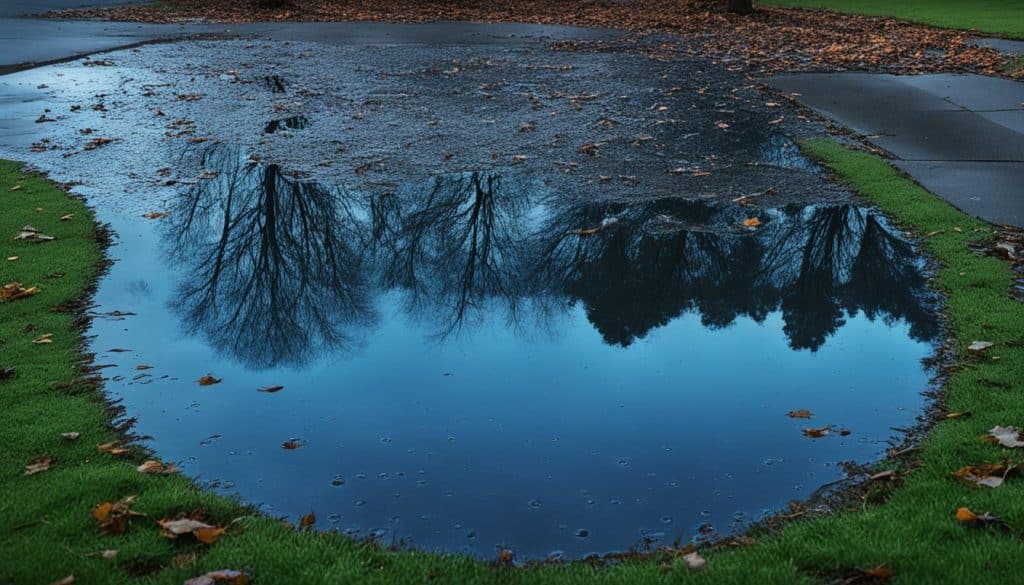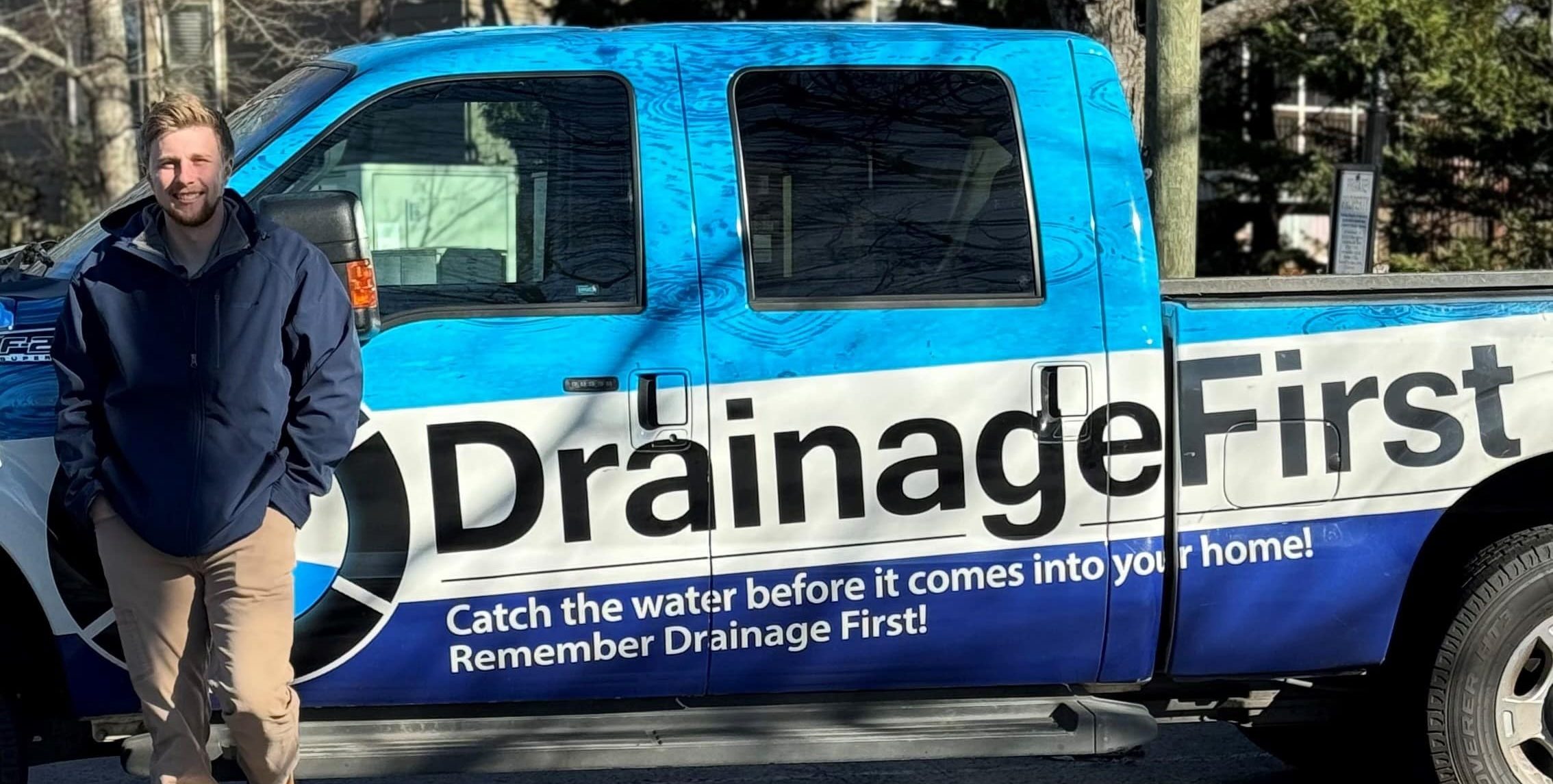
Have you ever wondered why pooled water sits on your lawn for days and who to call for yard drainage issues when that really starts to affect your home?
I’m the owner of Drainage First, a locally owned, owner-led team serving Metro Atlanta for over 20 years. We move fast, answer calls personally, and usually provide a same-day written estimate.
Poor drainage turns a soggy lawn into a property risk when water won’t move where it should. Standing water that stays more than 24–48 hours after rain is a clear warning sign that you need professional help.
On this page, I’ll show which pro matches specific causes. We take an exterior-first approach and focus on fixing the root cause before suggesting costly interior systems.
What makes us different: I handle service calls myself, we offer fast, personal service, and we explain affordable, durable options so homeowners can choose with confidence. If you’re unsure who you need, call (678) 389-9544 or email carter@drainagefirst.com and we’ll talk it through.
Key Takeaways
- Pooled water lasting 24–48 hours signals a real problem, not just an annoyance.
- Drainage First is local, owner-led, and has 20+ years of experience in Metro Atlanta.
- We focus on exterior fixes first to solve the root cause and save money.
- Fast, personal service with same-day written estimates is standard.
- Unsure which pro you need? Call (678) 389-9544 or email carter@drainagefirst.com for clear guidance.
Yard Drainage Problems That Warrant Professional Help
Leftover pools of rain that don’t soak in are more than an eyesore—they signal a real problem. In Metro Atlanta, heavy storms test older lawns and compacted soil. If standing water remains 24–48 hours after rain, it’s not normal and needs diagnosis.
Here are the common symptoms I see on residential lots:
- Water pooling and persistent puddles that stress turf and drown roots.
- Erosion signs like rills, washed-out mulch, and exposed roots on slopes.
- Constant soggy patches that lead to thin grass, fungus, and long-term landscape damage.
Water collecting next to the foundation raises hydrostatic pressure. Over time that increases the risk of basement moisture and structural harm. Stagnant pools also breed mosquitoes and make outdoor spaces unusable in warm months.
I focus on exterior-first fixes. Most basement wetness stops once surface flow and grading are corrected. Later sections will identify likely causes and match you with the right professional for each symptom.
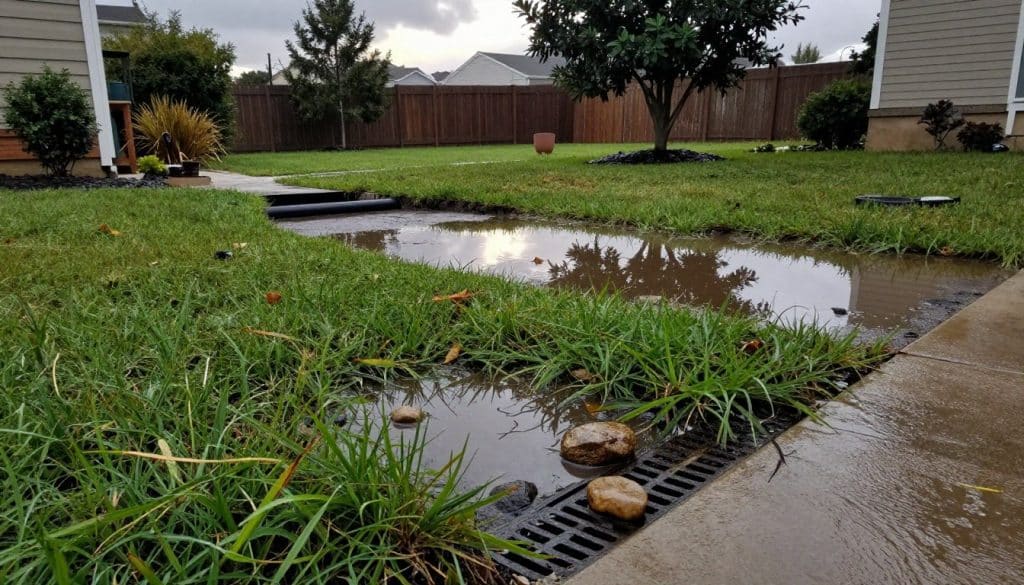
Common Causes of Yard Drainage Issues on Residential Properties
Most standing water problems trace back to a handful of common landscape errors. I’ll walk through each cause in plain terms so you can spot the likely source on your property.
-
Improper grading and negative slope toward the home
Water follows gravity. If the land pitches toward your foundation, runoff pools along walls and finds weak spots.
-
Soil compaction and poor infiltration
Heavy clay, repeated foot traffic, or equipment packs soil tight. Rain then sits on the surface instead of soaking in.
-
Clogged or inadequate gutters, downspouts, and drains
Overflowing gutters or undersized buried lines send extra water onto the lawn. Blocked outlets make small storms feel much bigger.
-
Hardscaping that blocks flow and creates low spots
Patios, walkways, and edging can redirect runoff and form unintended basins where water collects after rain.
-
High water table and saturated ground conditions
Sometimes the ground is already full. Extra rain has nowhere to go without a planned discharge route or a sub-surface system.
Surface signs—puddles, soggy turf, or erosion—usually point to one or more of these causes. Diagnose the visible pattern first, then match the fix to the root cause to avoid wasted expense.
Who to Call for Yard Drainage Issues Based on the Root Problem
Matching the visible cause with the right trade prevents repeated work and higher cost. I guide homeowners through that decision so you get the right repair the first time.
- Landscape contractors — Best when surface grading, slope correction, swales, or reshaping the lawn will stop standing water. They handle landscape grading and long‑term runoff management.
- Drainage specialists — We design and install exterior systems like french drains, catch basins, channel drains, and dry wells. Our focus is proper discharge planning so the system lasts.
- Plumbers — Call plumbers for clogged or broken buried drains, downspout tie‑ins, and pipe repairs. Typical methods include snaking and hydro jetting for stubborn blockages.
- Arborists and tree services — Roots can crush pipes and block flow. Tree experts manage root intrusion or removal before repairs will hold.
- Waterproofing specialists and engineers — Waterproofing pros address basement entry and foundation moisture. Civil engineers or general contractors step in for complex, multi‑trade projects that need permits or big changes.
Why start with Drainage First: we often are the smartest first contact in Metro Atlanta. We focus on exterior grading and drainage systems, explain options, and help you choose the right fix. If your situation needs a different expert, we coordinate the right services so the repair is correct and lasting.
What to Expect During a Professional Yard Drainage Assessment
I begin each inspection by mapping visible flow paths and low spots, not by guessing at causes. My team watches how water moves during a walkthrough and notes persistent pooling areas.
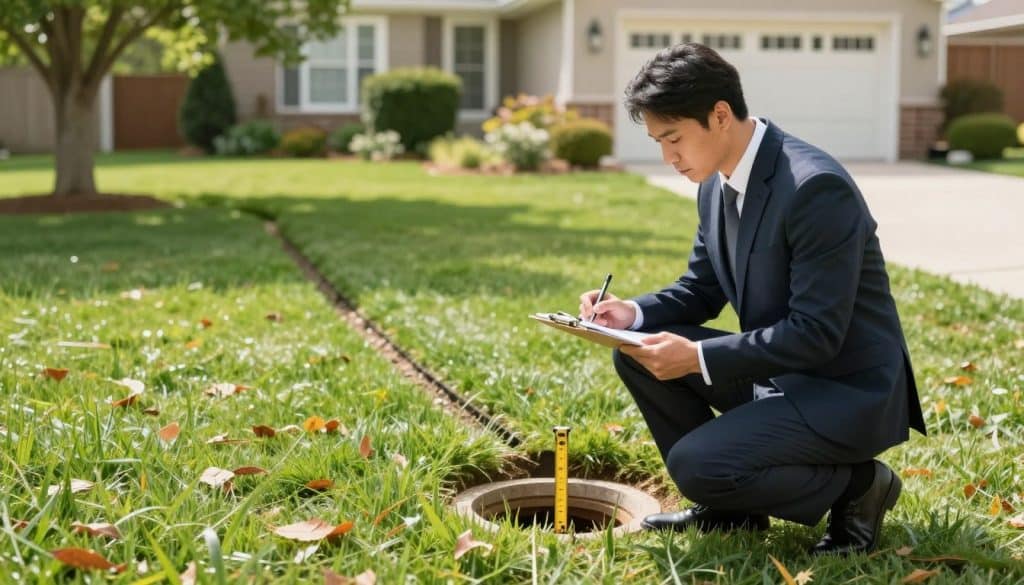
Evaluating slope, flow patterns, and pooling
- We check grade and look for negative slope toward the home and low spots that trap runoff.
- We map roof, driveway, and lawn runoff to see how water crosses property lines and collects.
Inspecting drains, lines, and discharge points
- Existing drains and buried lines are traced to confirm they actually discharge to a safe point.
- We test access points and note broken pipe, crushed sections, or dead‑end outlets.
Identifying obstructions and preparing a plan
- We look for debris, sediment, and root intrusion that block flow. Catch basins get a hands‑on check.
- Please point out known wet spots and where downspouts run—this helps speed the estimate.
Deliverable: in most cases I provide a same‑day written estimate with a clear scope, next steps, and options that consider long‑term maintenance and access.
Drainage Solutions Pros Use to Stop Water Pooling and Protect Your Property
Effective site fixes start by deciding where water must flow, not where it currently pools. I focus on exterior work first because grading and surface fixes are often the most cost-effective way to stop standing water and protect the foundation.
Surface grading
Grading reshapes soil to restore positive slope and remove low spots. A few yards of fill or a gentle regrade can route runoff away from the house and create long-term runoff control.
French drains and catch systems
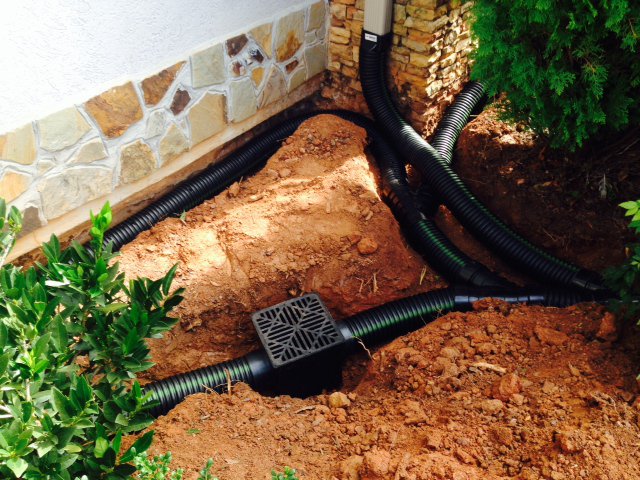
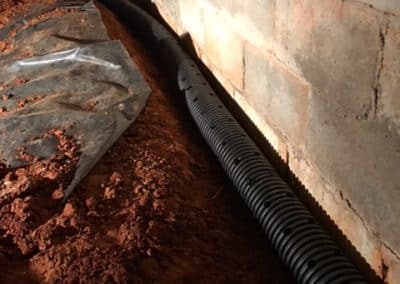
French drains are gravel trenches with a perforated pipe that redirect groundwater and surface runoff to a safe discharge point.
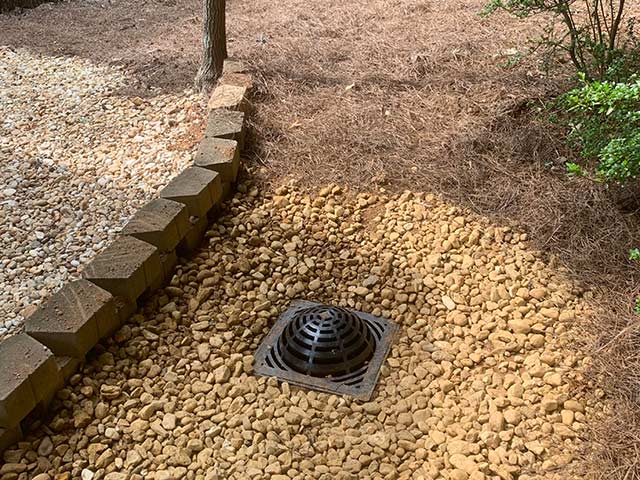
Catch basins and channel drains collect concentrated flow in low areas and move it through a solid pipe to a dry outlet.
Dry wells, swales, and plant-based solutions
Dry wells store heavy runoff underground so water can infiltrate slowly when surface discharge is limited. Swales and rain gardens slow and spread flow while improving absorption and landscape health.
Gutters and downspout improvements
Often roof runoff causes the worst pooling. Simple gutter upgrades and downspout extensions move roof water away fast and relieve pressure on other systems.
- Principle: control collection and discharge—keep water away from structures.
- Approach: I recommend the simplest reliable solution, not the most expensive one.
- Outcome: these solutions stop water pooling, preserve turf, and protect your property long term.
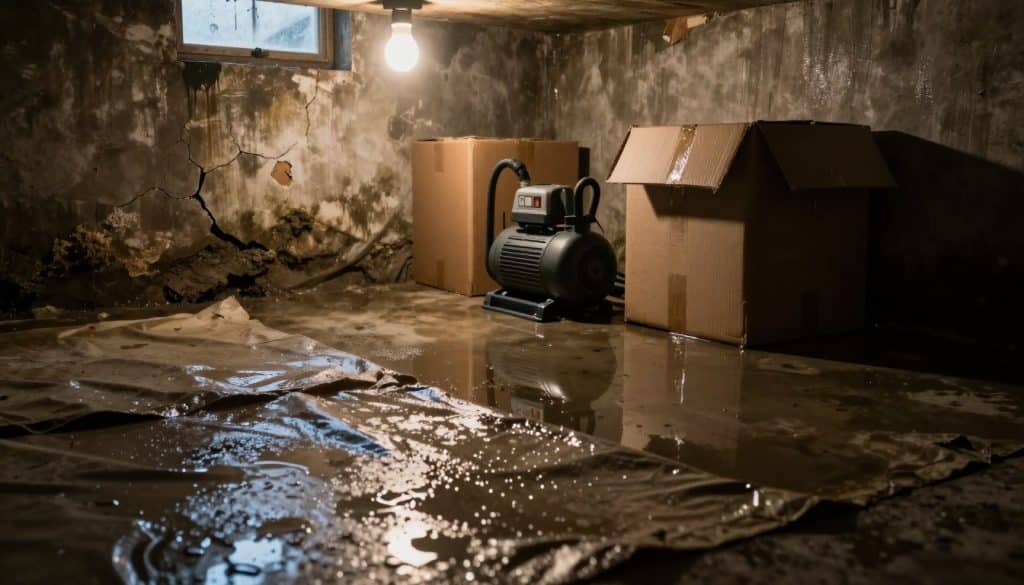
When Drainage Problems Turn Into Basement Water Problems
Basement moisture often starts long before you see damp concrete—it begins outside, where water gathers at the base of the house.
How exterior drainage affects foundation areas and basement walls
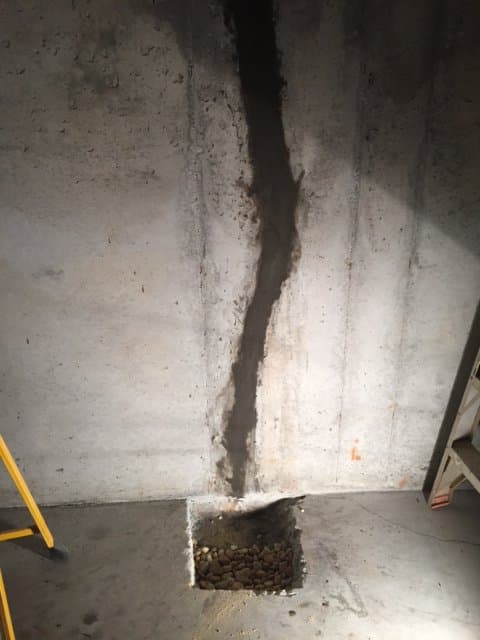
Repeated water near the foundation loads the soil next to walls. That pressure forces water through small cracks and porous block or poured concrete.
By “foundation areas” I mean the perimeter where downspouts, grading, and surface runoff decide whether water leaves or lingers.
Why fixing water flow outside is often the smartest first step
Fixing gutters, correcting grade, and adding exterior drains often stops seepage without disturbing the basement slab.
Smart sequence I follow:
- Correct gutters and downspout routing
- Restore positive grading away from the foundation
- Install exterior collection like french drains where needed
- Confirm safe discharge point and recheck after rain
In Metro Atlanta, clay soils and heavy storms make exterior fixes especially effective. We focus on stopping the water before it becomes a basement problem. That approach is usually faster and more affordable than interior systems.
Why Drainage First Is the Smarter Call in Metro Atlanta
I’ve seen dozens of homes where a simple fix outside stops basement seepage fast.
Locally owned and operated for over 20 years, we serve Metro Atlanta and nearby areas with hands‑on work. I make the service calls myself so you speak with an experienced owner, not a salesperson.
Fast, personal service: most visits end with a same‑day written estimate. We schedule quickly and start projects sooner than typical large outfits that backlog work for months.
Exterior-first philosophy: we focus on grading and surface collection because that controls where water goes around your home. Almost every home in Georgia has underground walls that can be improved with additional drainage and grading.
- Local credibility: 20+ years in Metro Atlanta.
- Owner-led inspections: direct answers and practical plans.
- Speed: same‑day estimates and faster start times.
- Value: exterior fixes often prevent costly interior systems.
If someone pushes an expensive interior system first, ask what they will do outside to stop the problem. We explain what we find, why it’s happening, and the most practical options so you can decide with confidence.
Service Area and Scheduling: Metro Atlanta, Georgia and Nearby Areas
If you live in Metro Atlanta or the surrounding counties, we offer prompt site visits and written estimates the same day in most cases. I focus on residential properties and practical fixes that protect your home and landscape.
Where we work: Metro Atlanta, Georgia and nearby areas, with an emphasis on single‑family property work and neighborhood jobs that need hands‑on attention.
- Local knowledge: we know common soil, slope, and runoff patterns here and recommend solutions that fit local conditions.
- Fast scheduling: responsive communication and efficient timing keep problems from getting worse. We value your time and plan visits quickly.
- What we need: an address, best contact info, and a short note about pooling areas, basement moisture, or soggy lawn so we can prepare.
- Speed to clarity: most visits end with a clear written estimate the same day so you can decide next steps without delay.
We provide services with an owner-led approach. I will tell you if the likely fix is grading, a surface drain, or gutter/discharge improvements so your next moves are clear and practical.
Get a Same-Day Written Estimate From Drainage First
A same‑day evaluation often turns an ongoing wet spot into a clear, scheduled repair plan. I focus on exterior grading and collection first because that usually prevents landscape damage and basement moisture later.
Call (678) 389-9544 to talk through your yard drainage issues
If you need help, call and describe where water pools, how long it sits, and whether you’ve seen basement moisture. A short conversation often shows the best next step.
Email carter@drainagefirst.com to request service
Email me with photos of pooling areas, downspouts, or low spots. I’ll review details and schedule a visit.
- What happens next: we visit, evaluate exterior flow, and provide a written estimate the same day in most cases.
- Practical focus: we recommend cost-effective fixes—often regrading or exterior collection—so you avoid unnecessary work.
- Ready to help: early intervention prevents a small problem from becoming a larger one and gives you a clear timeline.
Conclusion
A focused inspection that finds the true cause usually points to a simple, long‑lasting solution.
Most yard drainage problems start with grading, compacted soil, clogged gutters or low spots from hardscaping. Left unchecked, standing water harms lawn, landscape, and foundation over time.
Common solutions include regrading, french drains, catch basins, dry wells, swales, and better downspout routing. These systems stop pooling at the source and protect outdoor areas and basements.
We take an exterior‑first approach. With 20+ years local experience, I provide hands‑on service and a same‑day written estimate so projects move faster and work lasts longer.
Ready for a site visit in Metro Atlanta? Call (678) 389-9544 or email carter@drainagefirst.com.