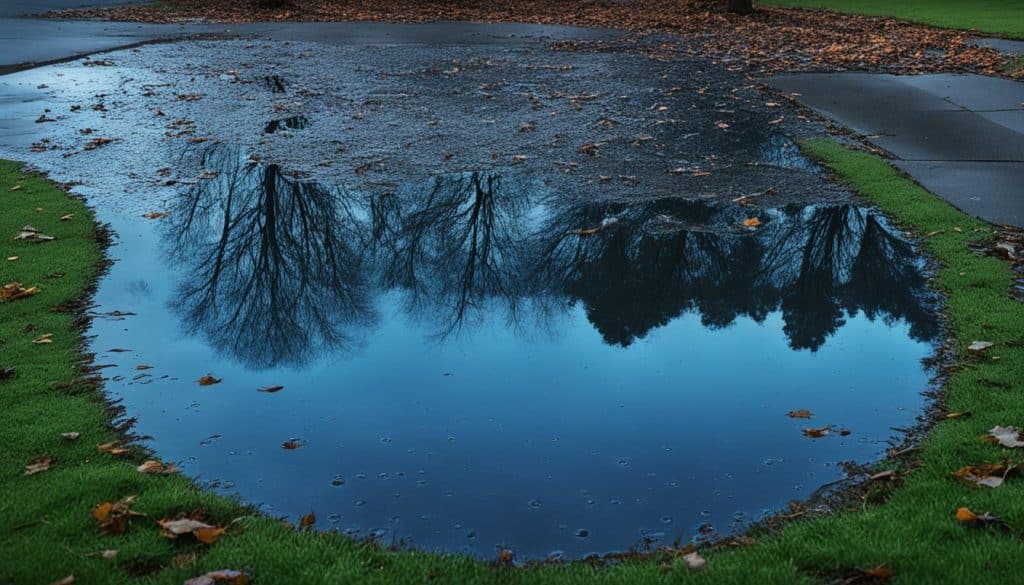
Have you ever wondered how to stop water from pooling against your foundation after a heavy Atlanta storm?
I’m the owner of Drainage First, a locally owned Metro Atlanta team with 20+ years of hands-on experience. I’ll explain plainly how a French drain works and why it often fixes wet basements and yard flooding.
A French drain is a gravel- or stone-filled trench, often with a perforated pipe, that pulls water from saturated ground and moves surface water and groundwater away to a safe outlet. This system protects your foundation and keeps your property dry without invasive interior fixes.
This is a practical how-to guide, not sales talk. We focus on fixing poor exterior drainage and grading because that’s usually the real cause of water coming in. Call (678) 389-9544 or email carter@drainagefirst.com for a same-day written estimate from an owner-led team.
Below I preview parts, comparisons, planning steps, and a clear installation overview so you can decide with confidence.
Key Takeaways
- Simple exterior fixes often protect a foundation better than interior work.
- A proper French drain diverts water away from walls and low spots.
- We offer owner-led service and same-day written estimates for homeowners.
- Most Atlanta homes benefit from improved grading and underground wall solutions.
- This guide shows parts, planning, and a clear installation overview so you can plan next steps.
What is french drainage and why homeowners use it
Heavy storms often leave yards soggy and foundations under strain—here’s a simple exterior fix we use. I’ll explain the basic idea and why neighbors call us after a hard rain.
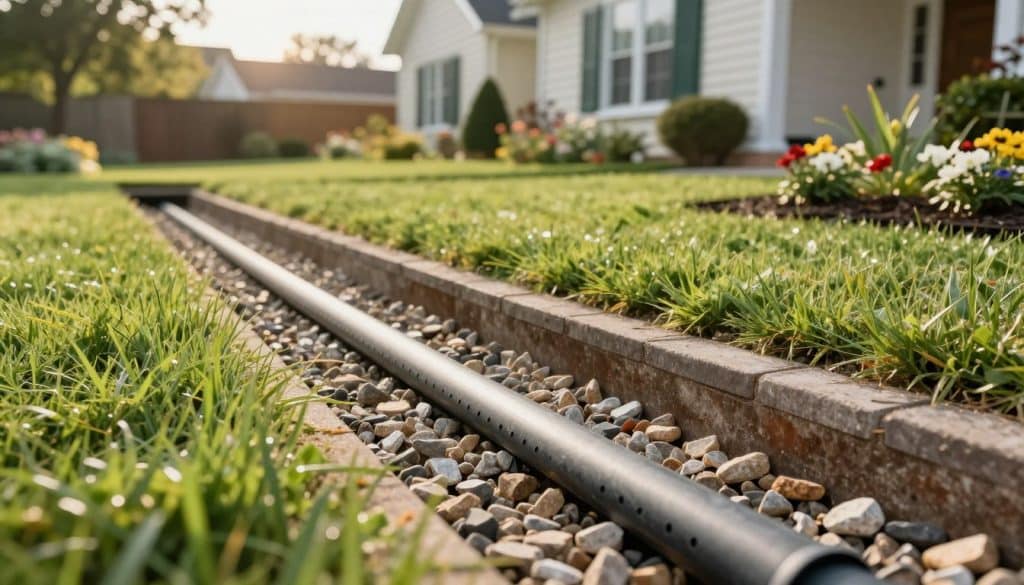
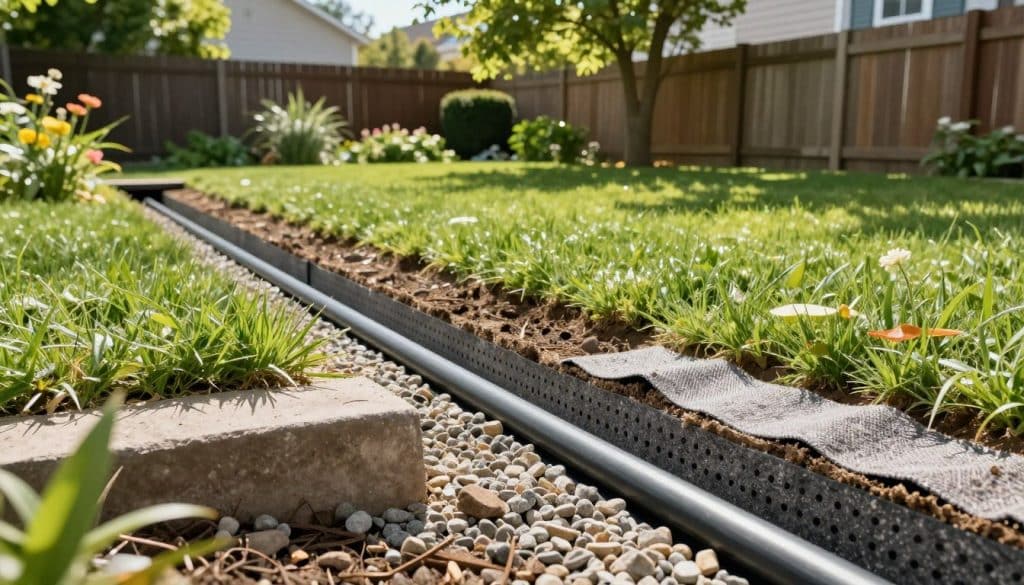
A french drain is a trench filled with gravel or stone that gives water an easy path out of saturated ground. It often includes a perforated pipe to carry water away to a safe outlet.
Homeowners pick this solution when the yard stays muddy, the ground stays wet, or standing water pools near a foundation wall after rain. The system reduces pressure on the foundation, lowers the risk of water damage, and keeps lawn areas usable.
- Moves surface water and groundwater away from problem spots.
- Helps stop erosion and soggy soil in drainage-prone areas.
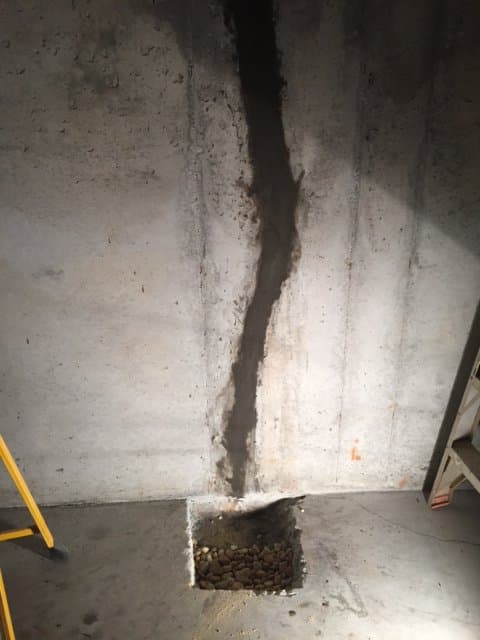
- Prevents early signs of basement seepage without interior work.
I work across Metro Atlanta and prefer exterior-first fixes. If you stop the water outside and send it away, you often avoid costly interior repairs.
How a French drain works to move water away
When soil gets saturated, water looks for an easier path. I use that lesson to guide a simple fix that redirects flow away from a building.
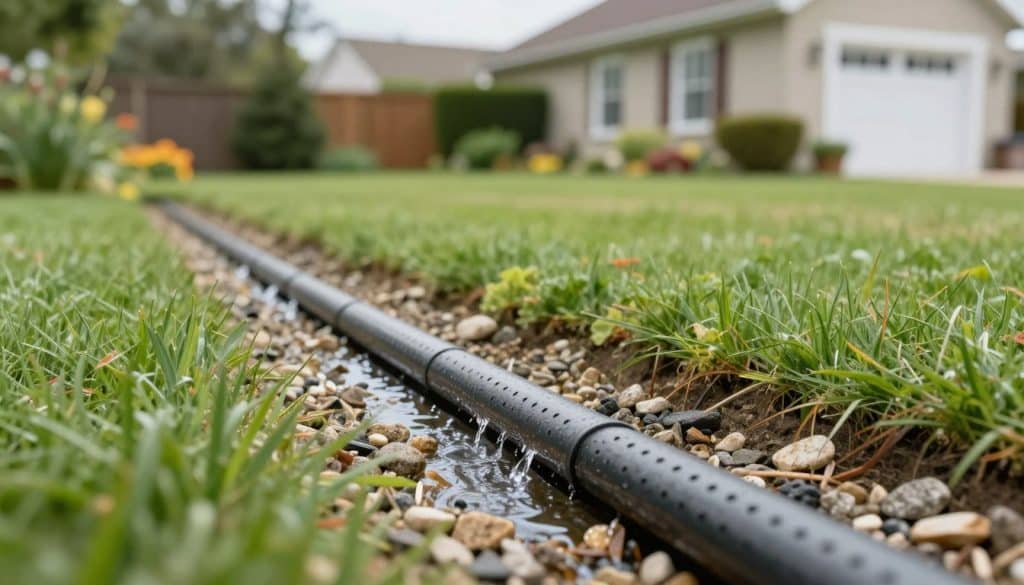
The “path of least resistance”: gravel and void space give water a fast way out. Water flows through open stone far easier than through compacted soil. That means the trench collects both surface water and groundwater and guides it toward the outlet.
Gravity and slope: the system relies on downhill grade. If the slope is wrong, water can stall or back up. Correct pitch makes sure water enters pipes and keeps moving.
- Water soaks from the surface into stone, then into the pipe.
- The pipe carries flow downhill to a safe outlet.
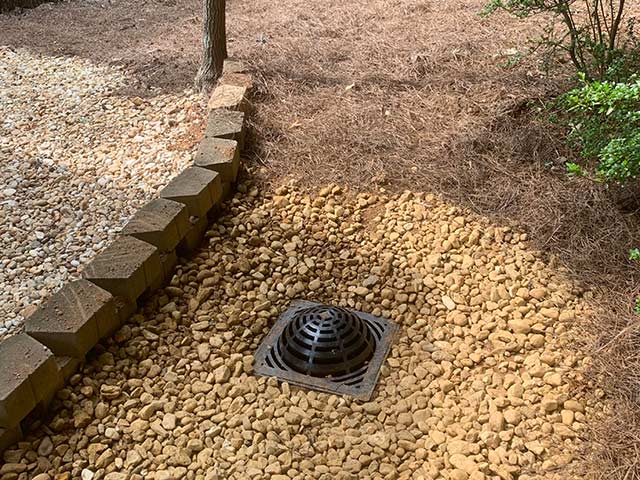
- Common discharge options: storm sewer tie-in, a swale, or an approved outflow away from the foundation.
Practical note: the best outlet stays open in heavy rain and sends water away without creating a new soggy spot.
Key parts of a French drain system
Knowing each component of a good drain system makes installation and maintenance far easier. I walk homeowners through the pieces before we dig so the job lasts and landscaping stays intact.
Trench layout and depth ranges
Typical residential trenches run about 12 inches wide by 18 inches deep with a slight slope. Depths range from 8 to 24 inches depending on soil, roof runoff, and whether the trench sits next to a foundation wall or retaining wall.
Perforated pipe and collection
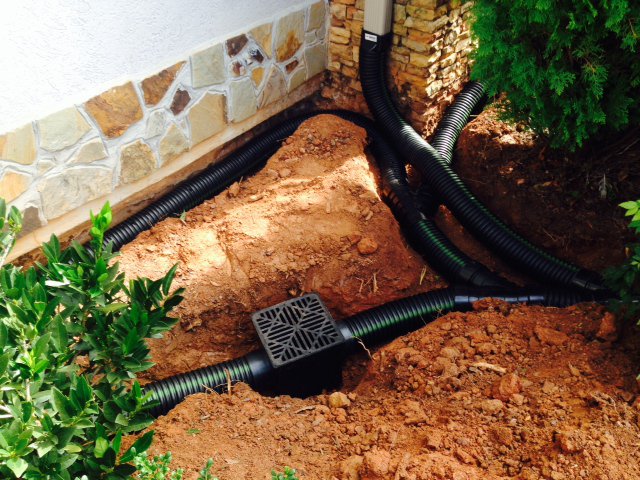
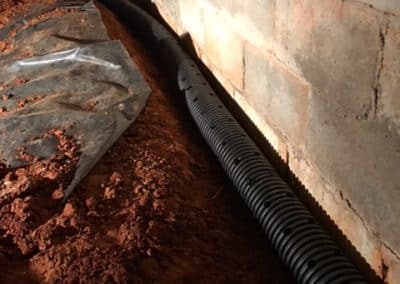
The perforated pipe collects water through many small holes and carries it downhill to the outlet. I set the pipe on a gravel bed so flow enters quickly and the pipe stays protected from crushing.
Filter fabric to keep things clear
Water-permeable fabric wraps the pipe and stone. It stops fine soil, sediment, and root intrusion so drains stay open longer and require less maintenance.
Gravel or stone layers
Gravel creates voids that let water move freely instead of getting trapped in tight soil. Use clean crushed stone—not landscaping rock—to preserve the pathway.
- Core parts: trench, gravel bed, perforated pipe, fabric, discharge outlet.
- Common failures: skipping fabric, wrong stone, or crushing the pipe leads to clogs and early rework.
- Performance tip: correct layering and materials reduce future maintenance and protect your foundation.
French drains vs other drainage options for your property
Choosing the right solution starts with matching the tool to the water problem on your property.
Trench drains handle surface pooling on paved areas. A grate captures fast runoff from driveways, patios, or low spots on pavement. Use a trench when water stays on hard surfaces and must be moved quickly.
Swales work best across open yard areas. They are shallow, vegetated channels that guide runoff and reduce flooding risk without buried pipe. A swale can handle large volumes over broad slopes.
French drains perform well when the soil is saturated and groundwater pushes toward a foundation or wall. They sit below grade and move water through stone and pipe to carry water away from the building.
When interior systems enter the plan
We usually start outside. Fixing grading and exterior drainage often stops basement leaks before interior work is needed.
Interior systems come into play after repeated water entry. They are more disruptive and costly. We recommend them only when exterior measures fail or water already appears inside the basement.
- Match the fix to the symptom: paved pooling → surface trench.
- Soggy ground or foundation pressure → subsurface french drains.
- Large runoff across a yard → swale.
Planning before installing french drains
Before you dig, a quick plan saves time, money, and your landscaping. I start every job with an owner-led site assessment so I can spot standing water, muddy areas, and any basement seepage after storms.
How I identify trouble: look for pools that last days, soggy lawn patches that never dry, and damp spots in the basement after heavy rain. These signs tell me where water starts and where it heads.
Choosing the best path: I map grading, note landscaping to protect, and mark utilities before any digging. The right path and slope are non-negotiable. The system must move water downhill to a safe outlet, so I plan around soil type and existing features.
Budget and expectations: exterior installation often runs about $10–$50 per linear foot, while interior work can be $40–$100 per foot. Typical projects average near $5,000; complex interior jobs may reach $18,000. I favor exterior fixes first when they will stop water entry and limit overall cost and disruption.
- I evaluate where water wants to go and block the way to your home.
- I plan a safe discharge and protect landscaping you want to keep.
- Call (678) 389-9544 or email carter@drainagefirst.com for a same-day written estimate and utility-safe plan.
Installing a French drain: a practical step-by-step overview
I’ll walk you through a straightforward installation so your yard stops sending water back toward the house.
Mark the route and confirm the slope. Flag the path from the wet area to the chosen outlet. Confirm a steady downhill pitch so flow moves away and does not back up toward the foundation.
Dig the trench and manage displaced soil
Dig a trench about 12 inches wide and roughly 18 inches deep, adjusting for soil and obstacles. Keep excavated soil in clean piles for final grading or move it to a safe disposal spot.
Line, add gravel, and set the pipe
Lay water-permeable fabric first, then add a gravel bedding. Set the pipe on the gravel so holes face down or sideways per local practice.
Connect the outlet and protect the end
Connect the pipe to the discharge point. Stabilize the outlet with erosion control or a splash block so the end stays open and nearby ground does not erode.
Backfill, restore, and confirm performance
Cover the pipe with more gravel, fold the fabric over, then backfill with soil and repair landscaping. After a heavy rain, check that water leaves the yard and the trench does not pond.
- Quick tips: keep pipe slope consistent, use clean gravel, and protect the outlet area.
- Plan for periodic checks and flushing to prevent clogs and extend system life.
- I can help with layout, slope checks, and the installation so the system performs long term.
Conclusion
Don’t wait—small fixes now stop bigger repairs later.
I focus on affordable exterior drainage and grading that give water a controlled path and move it away from your home. That simple approach cuts the risk of soil and landscaping damage and limits future repairs.
For soggy soil and recurring runoff, french drains often make sense. They collect subsurface flow and carry it downhill so your yard and property stay usable.
I’ve run Drainage First in Metro Atlanta for 20+ years. We offer hands-on owner service, fast scheduling, and a same-day written estimate.
Call (678) 389-9544 or email carter@drainagefirst.com for a site visit in Metro Atlanta, Georgia and nearby areas.