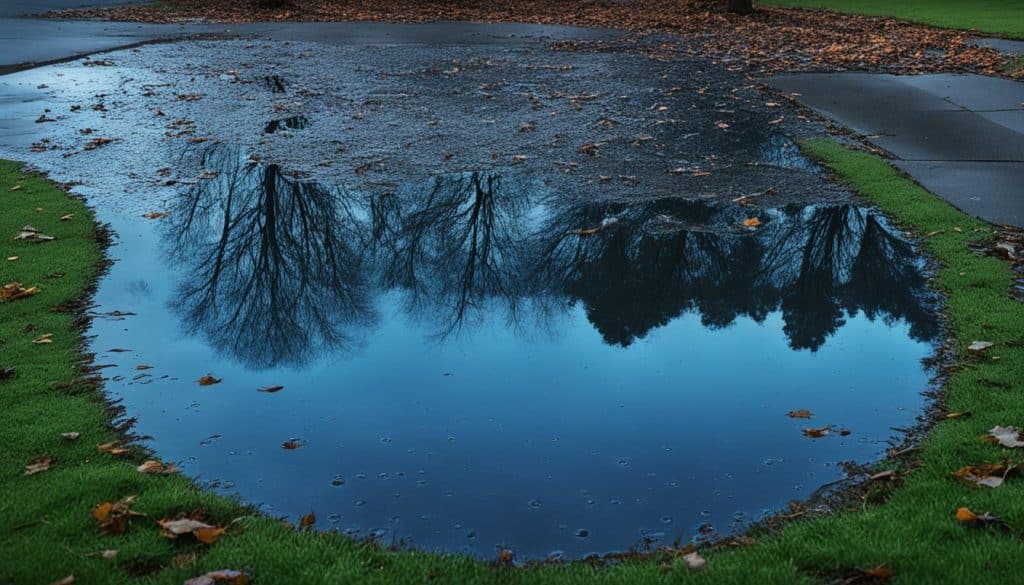
Wondering how does a catch basin work? I often get asked this question by homeowners when water pools near the house after a storm. Can a simple outdoor grate really stop flooding and protect your foundation?
In plain terms, a catch basin is a roadside or yard inlet that gathers runoff, holds debris, and routes stormwater into the drainage system. I will walk you from grate to outlet pipe so you see exactly where runoff goes and why it matters.
At Drainage First, we serve Metro Atlanta and nearby areas. We are locally owned, have 20+ years on the ground, and we make the service calls ourselves. Expect fast, personal service and a same-day written estimate.
Our goal is to stop water before it reaches the house by fixing grading and exterior drainage. That approach prevents repeated washouts, reduces risk of basement moisture, and avoids costly interior fixes.
If you see pooling, clogged yard drains, or low-spot flooding, we can inspect and recommend a practical plan. Call (678) 389-9544 or email carter@drainagefirst.com.
Key Takeaways
- Catch basins collect runoff and keep trash out of waterways.
- They move stormwater from grate to outlet pipe into the system.
- Exterior grading and drainage fix the root problem most often.
- Proper installation reduces flooding and property damage risk.
- Drainage First offers local, owner-led inspections and same-day estimates.
What a Catch Basin Is and Why It Matters for Stormwater Drainage
When stormwater pools at a curb or patio, many homeowners want a clear, practical fix. I explain systems that stop standing water and keep trash out of local streams.
Definition and purpose. A catch basin is a grated ground-level collection point that captures water and guides flow into connected drains. Its main job is to trap debris and sediment so pipes stay clear and the larger drainage system functions longer.
Why it matters to your yard. Controlling water runoff protects landscaping, reduces erosion, and lowers the chance of flooding near the foundation. Repeated pooling is a clear sign you need a collection point and an outlet that moves water away from the house.
Common locations
- Curbs and street inlets near sidewalks
- Low points in parking areas and driveways
- Residential spots: downspouts, patio walkouts, driveway edges
Tip: In Metro Atlanta clay soils and heavy rains make runoff fast and intense. A properly placed catch basin drainage gives you a reliable way to manage peak flows without interior fixes.
Catch Basin vs. Storm Drains vs. Storm Sewers: Clearing Up the Terms
When you spot a grated inlet at the curb, it’s easy to mix up the terms used for street drainage. I want to make the language clear so you can describe problems to a contractor or get the right repair.
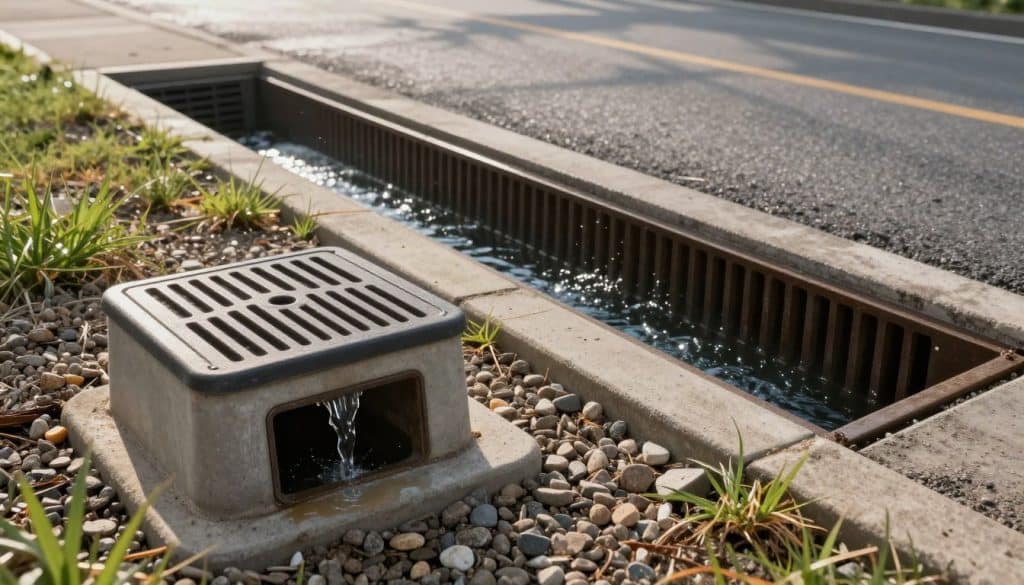
Plain meaning. A catch basin is the concrete or plastic box that receives water and traps debris. Storm drains are the roadside version you see at curbs. Storm sewers are the underground pipes and tunnels that move water away to a discharge point.
Why the mix-up matters. Homeowners call grates by many names. That confusion can lead to wrong fixes. If the downstream system is clogged, replacing a basin alone won’t stop backup or flooding.
- Use the right term when you report an issue—basin for the box, pipe for the connector, and storm sewer for the network.
- Check pipe pitch and connections; they turn a hole that collects water into a functioning system.
- Roadside storm drains are common basins built to intercept runoff at curbs.
My suggestion. Describe what you see: grate, sump depth, visible pipe. That detail helps me diagnose whether the basin, the pipes, or the wider system needs service.
How does a catch basin work from grate to outlet pipe?
Rain sends roof and yard runoff toward low points, and the grate is the first line of defense.
Step one: Surface water enters through the grate. The metal or plastic grate blocks sticks, leaves, and visible trash so pipes see less large debris.
Step two: Inside the basin, heavier particles sink to the bottom. That sump acts as a settling area so sediment stays behind instead of traveling through the drainage system.
Step three: As water rises to the outlet elevation, it reaches the outlet pipe and flows into pitched connecting pipes. The pipe slope keeps flow moving away from the property and prevents standing water.
Step four: From there the runoff joins the main storm sewer line and heads to an approved discharge point like a ditch or creek.
- Slowing flow reduces velocity and helps solids drop out.
- Less solids in pipes means fewer clogs and lower pollution to waterways.
- If water enters but won’t leave, the usual causes are sediment buildup, a blocked outlet, or downstream pipe trouble.
Catch Basin Parts Explained: Grate, Sump, Basin, and Pipes
I break the unit down into parts so you can see where failures start and what each piece actually does.
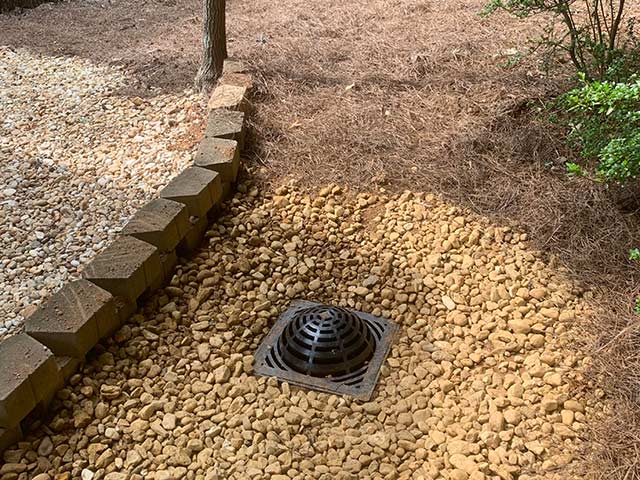
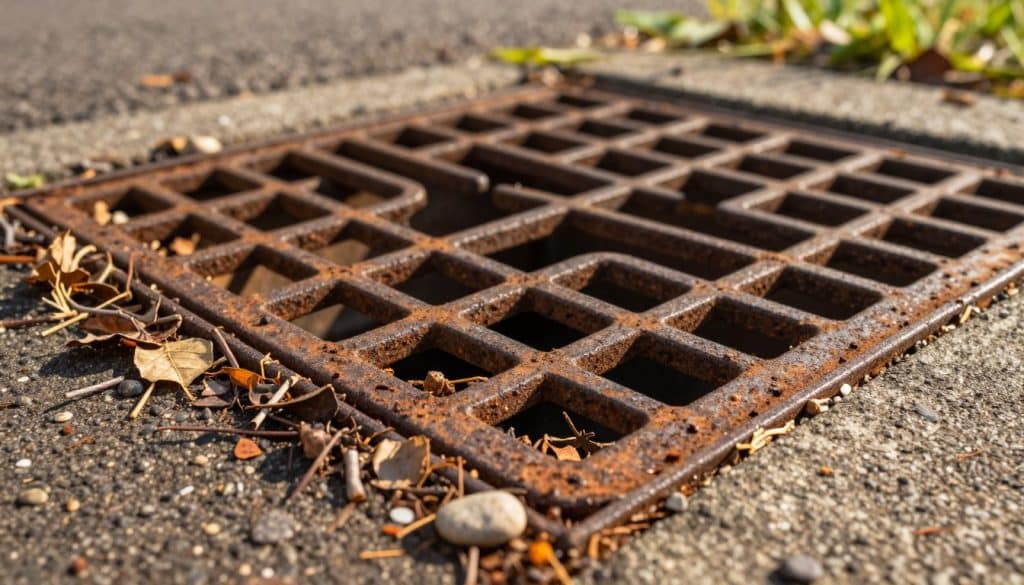
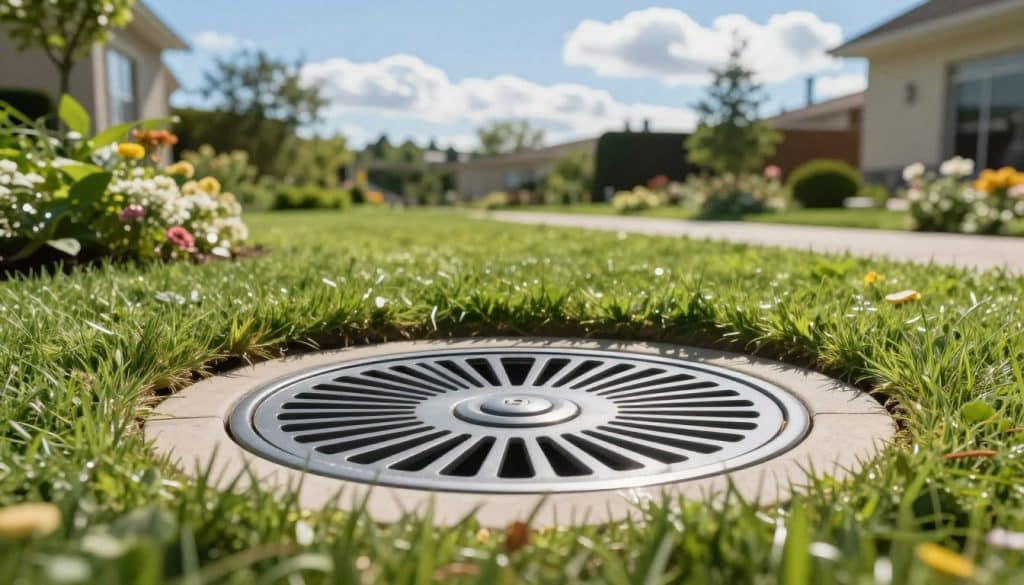
The grate sits at the surface and is the first line of defense. It blocks large debris while letting heavy rain enter fast. Keep the grate clear so water can flow without delay.
The sump and sediment control
The sump is the storage pocket at the bottom. It lets sand and fine soil settle out before reaching the outlet.
Deeper sumps mean longer time between cleanings. But some standing water below the outlet level is normal.
Outlet height and pitched pipes
The outlet pipe is usually set partway up the basin wall. Too low and sediment exits; too high and surface standing water can back up.
Pitched pipes keep flow moving to the discharge point. Proper slope prevents backups on long runs and protects the whole drainage system.
- Understand parts to spot common failures.
- Clear grate for immediate performance gains.
- Monitor sump depth to schedule cleanings.
- Confirm outlet height and pipe pitch during inspections.
Types of Catch Basins for Residential and Commercial Properties
Open system units for high-volume areas
Open units use bar or slotted grates to accept large water flow fast. They are common under downspouts and at driveway low points.
These types manage heavy water and big debris with less surface backup. They are simple to clean with a shovel or hose.
Closed system units for finer sediment control
Closed units use a solid cover and internal chambers. They trap silt and soil that otherwise travel through pipes.
Closed types suit bare-soil landscapes, new planting beds, and sloped properties where fine material washes off during storms.
- Choose by runoff volume: high flow favors open grates; low flow with silt favors closed designs.
- Consider debris size: large trash is fine for open systems; sand needs closed control.
- Think maintenance access: frequent cleaning points should use easier-to-open basins.
Where to Place a Catch Basin to Prevent Flooding and Property Damage
I start each service call by watching a storm to see where surface water chooses to travel.
Identify low areas by following visible runoff paths. Look for soggy ground, recurring pooling, and erosion channels. These clues show the natural place water wants to collect.
Common placement points include downspouts, the bottom of driveway slopes, edges of hardscape, and near walkouts where water threatens the foundation.
When multiple basins are needed
Large or uneven yards often need more than one unit. If several runoff sources converge, separate basins stop overload and limit soil loss.
- We map the low areas and mark surface flow during heavy rain.
- We place units where water naturally pools, not where it looks convenient.
- We always plan the discharge so the system does not move flooding to a new spot.
Outcome: Correct placement prevents flooding, reduces property damage, and protects lawns and walkways. Good siting makes the drainage system do the work for you.
Catch Basin Installation Overview: Design, Materials, and What to Expect
Before any digging starts, I sketch the layout to confirm elevation and discharge points.
What installation looks like on a typical property. We begin with a layout and elevation check. Then we trench, set the basin, tie in pipe, and restore the surface. Most jobs are tidy and quick when grading and pitch are correct.
- Prefabricated vs. custom concrete: Prefab units fit fast and match pipe sizes. Custom-poured concrete gives long-term strength and exact fit for odd places.
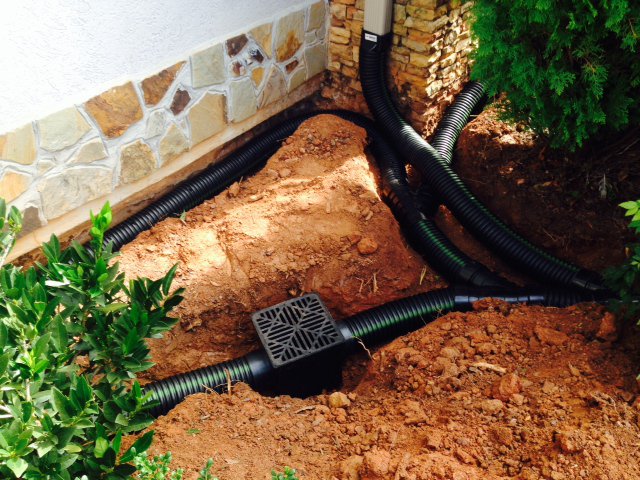
- Connecting into existing systems: We tie into current lines with minimal disruption. Proper bedding and pipe pitch keep flow moving and prevent backpitches.
- Grate selection: Choose for driveway loads, foot traffic safety, and durability so the finished install is practical.
Timing and expectations. Many installs finish in a single day. Greater depth, long runs, or complex discharge options add time. We give a same-day written estimate and handle Metro Atlanta calls personally.
For an owner-led visit, call (678) 389-9544 or email carter@drainagefirst.com to discuss options and get a clear plan for stormwater and drainage.
Catch Basin Maintenance: How to Keep Water Flowing Year-Round
Simple upkeep keeps your drainage system running through leaf season and storms. Regular maintenance extends system life and stops small issues from becoming costly repairs.
Cleaning schedule and what changes it
At minimum, plan annual maintenance. Check more often during heavy leaf fall, after major storms, or if your yard sheds lots of material into drains.
Quick sediment depth test
Use a long pole or broomstick through the grate until it hits settled material. Note that mark, then measure to the bottom to estimate buildup. Deep deposits mean it’s time for full cleaning.
Smart habits to reduce debris
Keep clippings, leaves, and soil off paved surfaces. Don’t blow yard waste into the street or pour oil, chemicals, pet waste, or soapy wash water into the system.
- Tip: Rake and bag leaves before heavy winds.
- Tip: Maintain gutter guards and downspout connections.
- Tip: Inspect after storms—standing water near the grate signals service is needed.
Signs Your Catch Basin Is Clogged, Sinking, or Broken
When surface water keeps returning to the same spot after storms, the collection point may have failed. I watch for simple visual clues that tell me if the system is losing function or causing damage to your property.
- Recurring pooling and slow drain-down after rainfall.
- Wet ground that never fully dries and new erosion channels.
- Rocking grates, visible cracks, or separation at joints.
Overflow and erosion are a chain reaction. If water can’t leave through the outlet pipe fast enough, it spills out and carves channels around the basin. That process undermines edges and worsens soil loss on the surface.
Sinking units are serious. Settlement shifts the structure and stresses the pipe connection until it leaks or breaks. A broken connection turns the basin into a collector of runoff instead of a functional drain, increasing flooding risk and property damage nearby.
What I recommend: Inspect for cracks, undermined edges, and sudden changes in system behavior before paying for repairs. Diagnose the cause so you fix the right component—sometimes the downstream line, not the basin, is the real problem.
At Drainage First, we evaluate the full exterior system, not just the visible symptom. Call us when you see standing water or signs of damage so we can protect your property and stop recurring flooding.
Conclusion
Good placement and pitch turn surface flow into controlled movement away from your foundation. A catch basin collects stormwater, traps solids, and sends cleaner water into the drainage system through a properly set outlet and pitched pipe.
That simple principle protects your lawn, stops runoff from eroding edges, and keeps water from sitting near the foundation in Metro Atlanta areas. Proper basin siting means fewer repairs and less risk to your property.
Inspect basins, keep grates clear, and schedule cleanings on a plan that fits your yard. If you see standing water or new erosion, act fast to prevent bigger damage.
I lead our local team and we handle visits personally. Drainage First is owner-run in Metro Atlanta for 20+ years. Call (678) 389-9544 or email carter@drainagefirst.com for an on-site assessment and same-day written estimate from our team.