What Is a French Drain? How It Works and When You Need One
HOMEOWNER’S DRAINAGE GUIDE
A French drain collects excess water and directs it to a suitable outlet. Learn how the system works, where it may help, and what to consider before installation.
What is a French drain?
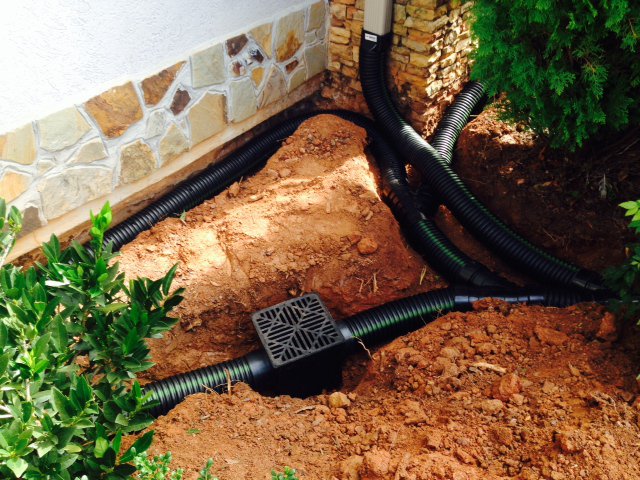
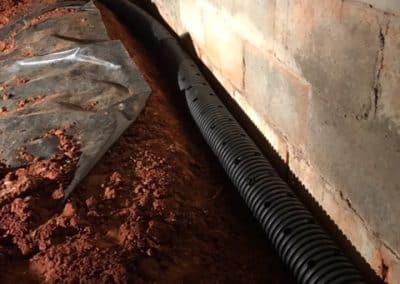
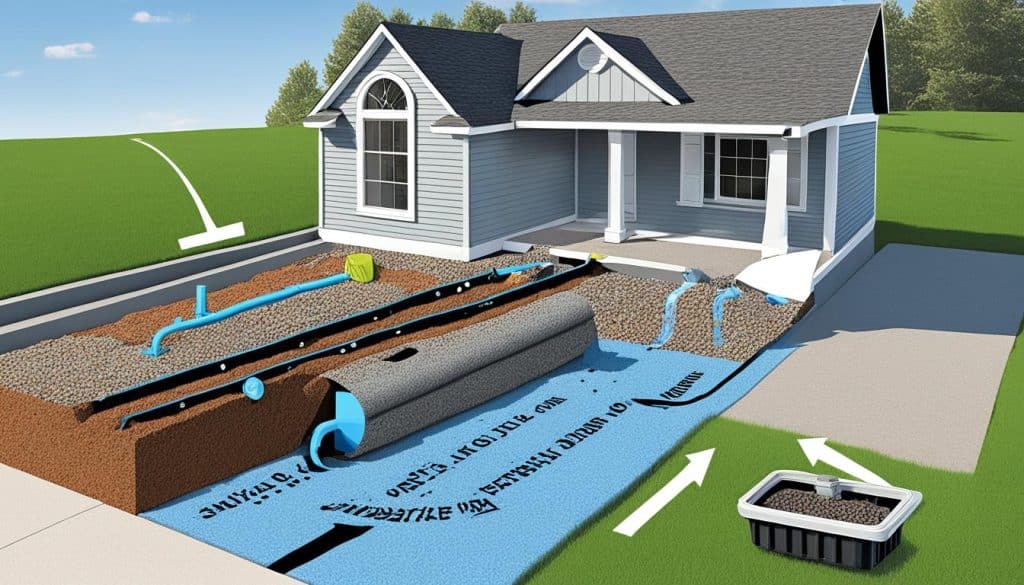
A French drain is a drainage system designed to collect and redirect water away from an area where it causes problems. It usually consists of a sloped trench containing drainage aggregate and a perforated pipe. Water enters the system and travels toward an appropriate outlet.
Depending on the property and the source of water, a system may be installed in a yard, along a foundation, or as part of an interior drainage approach. The right design depends on where the water comes from, where it collects and where it can safely go.
How does a French drain work?
Water in the surrounding soil reaches the trench and moves through the drainage aggregate toward the perforated pipe. The pipe is installed with a suitable slope so water can flow toward the outlet. Depending on the site, discharge may be possible by gravity or may require a pump.
Designing a safe outlet is as important as collecting water. Discharge must suit the property and applicable local requirements; it should not create a problem for a neighboring property.
Signs a French drain may help
- Water remains in a yard or landscaped area after rain.
- Soil stays unusually wet near a foundation.
- Runoff repeatedly collects along a slope or low area.
- Water enters a basement or crawl space, depending on its source and the condition of the structure.
These signs do not automatically mean a French drain is the right solution. A site assessment can identify whether the water comes from surface runoff, roof drainage, groundwater or another source.
Key parts of the system
- Trench and drainage aggregate: provide a pathway for water to reach the pipe.
- Perforated pipe: collects and carries water along the system.
- Filter fabric where appropriate: helps separate soil from the drainage material; selection depends on the design and soil conditions.
- Outlet: releases water at an appropriate location; some installations also need a sump pump.
- Access points when included: make inspection or cleaning easier.
Yard, exterior and interior French drains
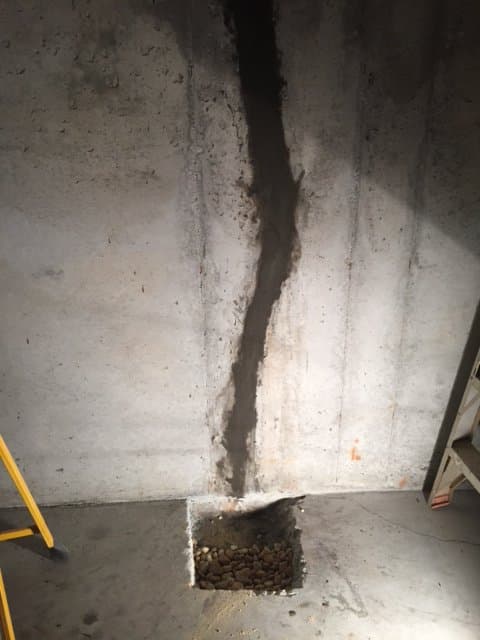
Yard systems can intercept or collect water affecting lawns and landscaping. Exterior foundation systems address water outside the structure where site conditions permit. Interior perimeter drainage collects water that reaches the inside perimeter and often directs it to a sump pump.
Each approach addresses a different water pathway. Basement seepage can also involve foundation defects, grading or roof drainage, so the most useful solution may combine more than one measure.

French drain or another drainage solution?
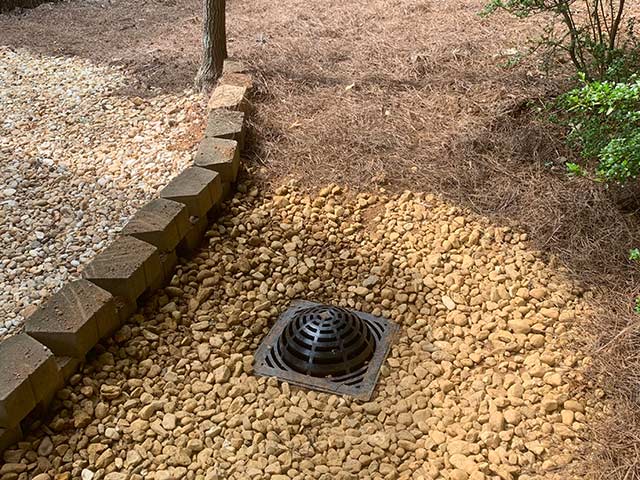
A French drain is one option, not a universal fix. A catch basin may be useful where surface runoff collects at a defined point. Improving grading can help direct surface water away from a building. Extending or connecting downspouts can address roof water before it reaches the problem area. A professional can assess whether one approach or a combination fits the site.
What affects design and installation?
Important factors include the water source, soil conditions, existing grade, available space, nearby utilities, foundation conditions and the location of a safe outlet. Before digging, underground utilities should be located and applicable local rules checked. Depth and slope are design decisions, not one-size-fits-all numbers.
Maintenance and common problems
Inspect accessible outlets and drainage areas periodically, especially after heavy rain. Keep leaves, sediment and other obstructions away from outlets and surface inlets. Persistent standing water, slow discharge or water returning near the foundation can indicate a blockage or another issue that needs inspection. Maintenance needs depend on the design and conditions of the property.
Frequently asked questions
Will a French drain eliminate all standing water?
Not necessarily. Its performance depends on the water source, system design, outlet and maintenance. Some properties need additional surface drainage or grading work.
Can a French drain work without a pump?
Yes, when the site allows water to flow by gravity to a suitable outlet. Where that is not possible, a pump may be part of the design.
Is a French drain the same as a catch basin?
No. A catch basin generally collects water at a surface inlet, while a French drain collects water along a trench. They can sometimes be used together.
Plan a solution for your property
Drainage First helps homeowners assess drainage issues in Metro Atlanta and surrounding communities. Explore our French drain services and service areas, or contact us to discuss your property.
For a general illustration of French drain components, see this French drain guide from Delaware’s Department of Natural Resources and Environmental Control. Local conditions and requirements may differ.