Could a hairline crack be harmless, or is it the first sign of a costly water problem? I ask that because many Atlanta homeowners face this exact dilemma. Small cracks are common, especially during the first year after new construction. Some are cosmetic. Others signal water intrusion or movement. So how to repair foundation cracks?
I run Drainage First, a locally owned team serving Metro Atlanta for over 20 years. We take a hands-on approach and make the service calls ourselves. Our goal is clear: find the real cause and stop repeat issues.
In this piece I’ll explain what matters when a crack shows up: size, direction, moisture, and whether it grows. I will set realistic expectations about sealing, bonding, and stabilizing so you avoid paying twice.
We prioritize exterior drainage improvements. Fixing grading and water flow around your home often prevents basement leaks without invasive interior systems. For a same-day written estimate in Metro Atlanta, call (678) 389-9544 or email carter@drainagefirst.com.
Key Takeaways
- Not every crack needs major work; monitor ends and dates for movement.
- Size, location, and moisture guide the right repair plan.
- Exterior drainage often solves the root cause more affordably.
- Drainage First offers fast, personal estimates and owner-led service.
- Have photos, measurements, and a timeline ready for a same-day quote.
Understanding foundation cracks and what they mean for your home
Why they pop up early
Concrete shrinks as it cures. Seasonal moisture swings and normal settling add stress. In the first year, these forces create small openings along seams and joints.
Where to look first
Check corners, long wall spans, window openings, and slab edges. Those spots concentrate stress and show movement sooner than flat areas.
Harmless versus warning signs
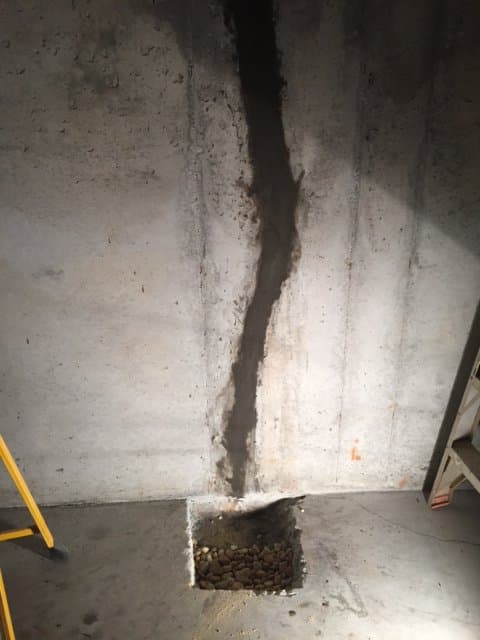
Harmless looks like thin, stable lines that don’t change over time. Warning signs include widening gaps, bulging wall faces, sloping floors, or damp staining that shows water paths.
- Monitor width and direction over time.
- Note any moisture or rust staining.
- Call us for an evaluation if you see movement or bulging.
Types of foundation cracks to identify before you repair
An accurate description of what you see helps me pick the right next step. Below I list common types and what each one often means. Use these notes when you call so we start the conversation with facts.
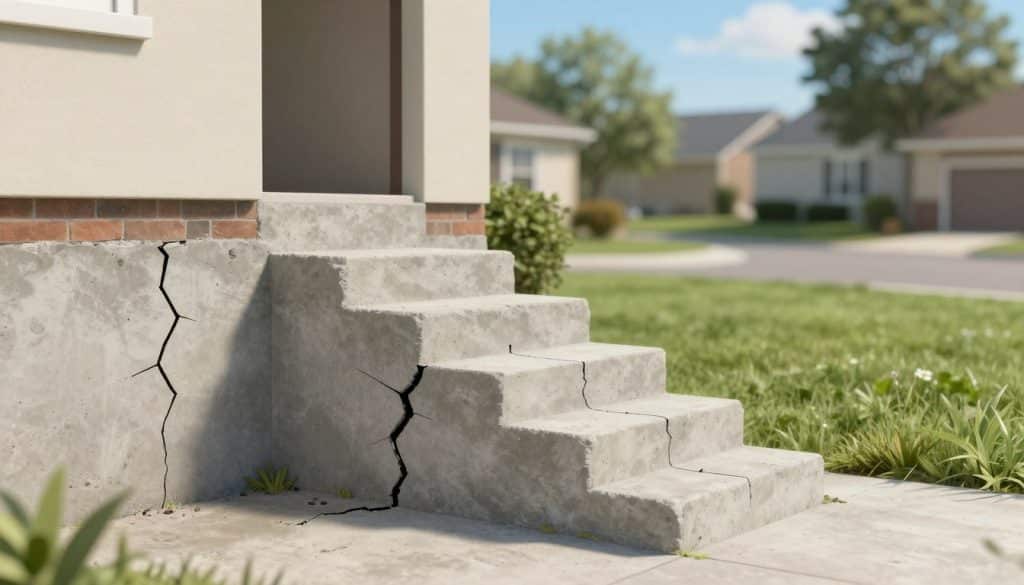
Hairline shrinkage lines
These fine lines appear in poured concrete as it cures and loses moisture. They are usually under 1/8″ and stable.
Vertical breaks in block and poured walls
Vertical marks on block or concrete are common. If one sits near a corner and measures wider than about 1/8″, it deserves closer attention.
Diagonal patterns and differential movement
Diagonal marks often signal uneven settlement where soil under the footing shifts. Watch for widening across a short span.
Stair-step separations in brick or block
When the break follows mortar joints in a step pattern, it usually means the wall moved with the block or brick—not just surface wear.
Horizontal cracking from lateral pressure
Horizontal cracks are higher risk. Outside soil or water pressure can push walls inward. If you see this, document photos, width, and location for a quick evaluation.
- Take clear photos.
- Measure width and note location.
- Record when you first noticed it.
How to repair foundation cracks: a step-by-step approach
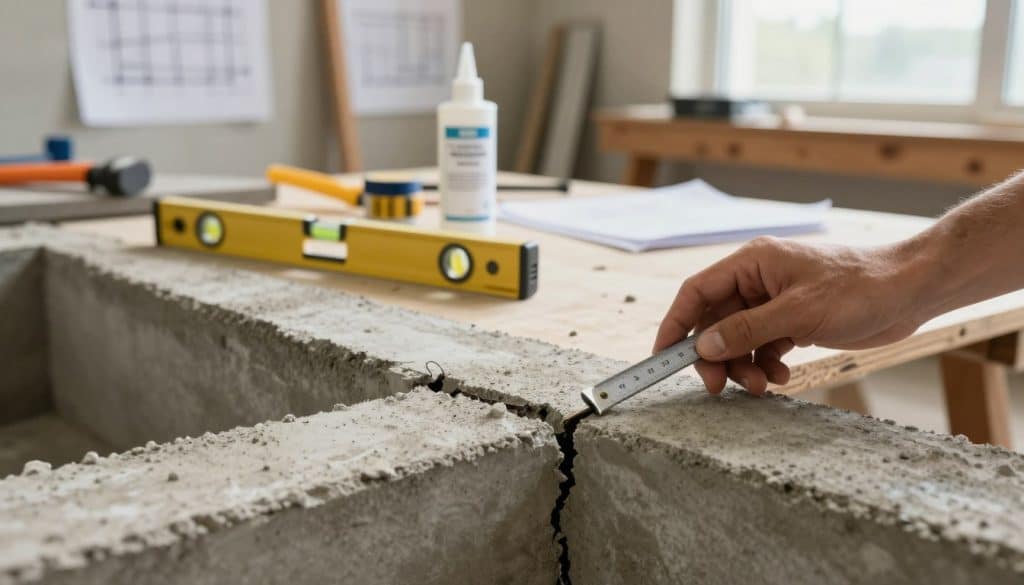
An easy first step is a pencil, a date, and a photograph taken each month. That simple routine tells me if a gap is stable or active and guides the right repair and timing.
Monitor first. Mark both ends, measure width, and record the date. Re-check monthly. Small notes prevent guesswork and speed up a same-day written estimate when you call.
Check for active moisture. Look for seepage, staining, or rusty discoloration near the opening. Those signs show water movement through the wall and change the choice of injection or waterproofing.
Choose a method based on material and risk. For structural issues in poured concrete, I often use epoxy injection because it can bond the slab back together and restore strength.
For leak sealing and waterproofing of non-structural gaps, polyurethane foam injection works well. Foam expands, blocks water paths, and stops seepage without heavy demolition.
Surface patching and hydraulic cement are short-term fixes. They often debond, shrink, or reopen as the wall moves with moisture and temperature swings.
- If movement continues, stabilize first: piers for settlement.
- Use anchors or tiebacks when walls bow from outside pressure.
- Carbon fiber works for cracked or bowed walls when paired with epoxy for rigidity.
Decision checklist: measure and date, note moisture, state wall material, and list visible movement. With that info I give clear options and avoid unnecessary, disruptive systems. For a same-day written estimate in Metro Atlanta, call (678) 389-9544 or email carter@drainagefirst.com.
Fix the cause, not just the crack: drainage, grading, soil, and pressure
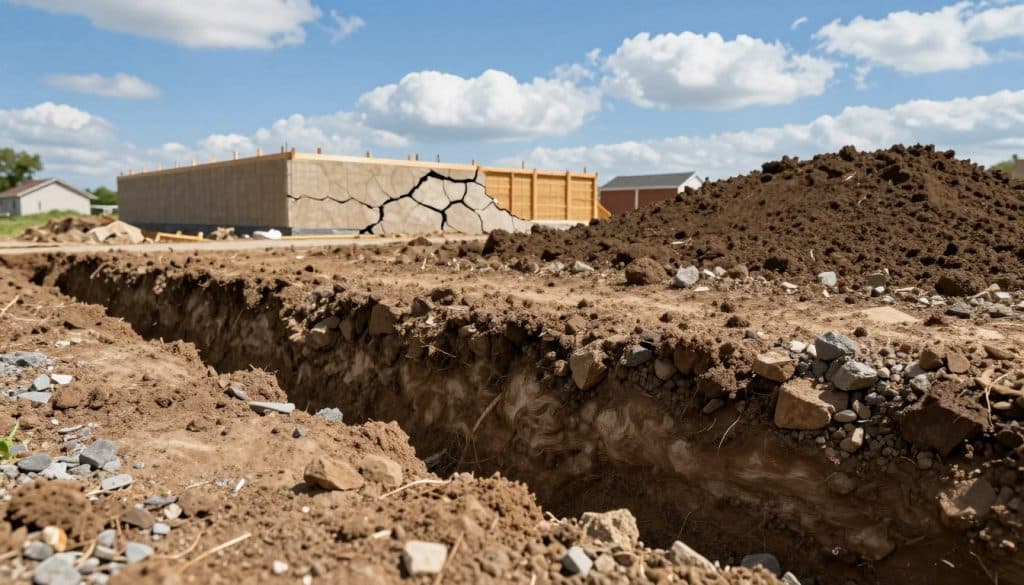
When yards shed water the wrong way, that flow becomes the real culprit behind interior wet spots. I focus first on the exterior because lowering the water load often prevents repeat damage and keeps costs down.
Poor grading and surface drainage funnels water to the base of walls. Downspouts that dump near the house or flattening slopes let water pool against concrete and increase lateral pressure.
Hydrostatic pressure and heavy rains
Saturated soil pushes outward on below-grade walls. That lateral pressure can create horizontal failures and bowed sections after storms. Reducing standing water reduces that force quickly.
Clay soils and seasonal movement
In our area, clay-rich soil expands when wet and shrinks when dry. That repeated swelling and shrinking adds stress to foundations and can widen small openings over time.
Moisture migration and pore damage
Moisture travels through tiny pores in concrete. Freeze-thaw cycles and long-term wetting worsen micro-defects and lead to leaks if the exterior load isn’t managed.
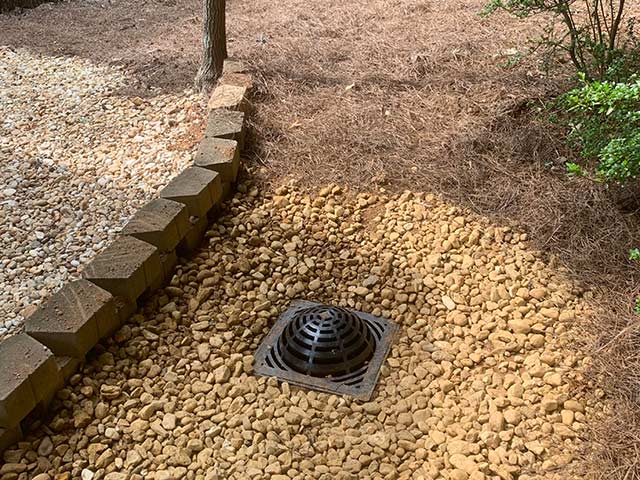
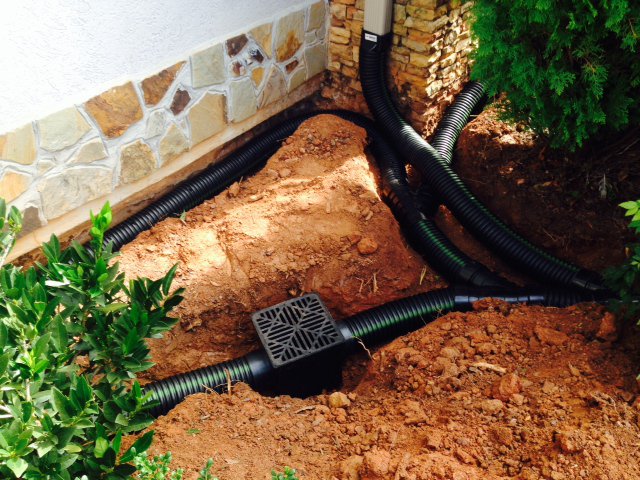
- Correct slopes and extend downspouts away from walls.
- Install targeted drainage where water concentrates.
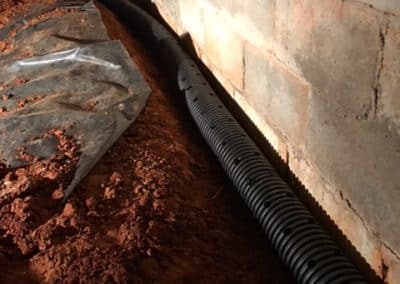
- Choose exterior waterproofing and grading fixes before costly interior systems when possible.
My goal is practical solutions that stop the root problem. Sealants alone fail if pressure and water remain. We recommend measured exterior repairs that protect your home and your budget.
When to call a foundation repair professional in Metro Atlanta
If you spot sudden widening or a bulge in a wall, call for an expert review right away. These are non-negotiable warning signs that need a prompt evaluation.
- Gaps that widen or are large enough to fit a dime.
- Bulging walls or sections that bow inward.
- Sloping floors or doors that jam where they used to fit.
Storm-related growth and what it signals
If a crack grows quickly after heavy rain, that usually points at poor drainage, rising soil pressure, or excess water loading behind the wall.
These conditions can accelerate damage and turn a simple seal into a costly repeat job.
What helps us diagnose fast
When you call, have clear photos, measurements, notes on where water shows up, and whether the pattern has changed over time.
That information speeds a same-day written estimate and lets me recommend practical exterior-first solutions that address soil and water issues before surface fixes fail.
When DIY is reasonable: small, stable lines with no moisture may be monitored. If movement, moisture, or gaps appear, DIY sealing can delay the real fix and increase damage.
What to expect from Drainage First: I visit personally, explain clear options, and provide a written estimate the same day. For a fast, owner-led evaluation across Metro Atlanta, call (678) 389-9544 or email carter@drainagefirst.com.
Conclusion
Document what you see; clear photos and dated notes give us the facts for a fast estimate.
Start by identifying the type, measuring change, and checking for moisture. Match the fix to the material and severity. Monitor monthly and act when movement appears.
Stopping water at the outside is often the most durable solution. Sealing alone can fail if pressure and wet soil remain. Horizontal signs of movement demand prompt professional review.
I’m locally owned and have led Drainage First in Metro Atlanta for over 20 years. For a hands-on assessment and a same-day written estimate, call (678) 389-9544 or email carter@drainagefirst.com.