Wondering how deep french drain should be? Or are you convinced a single number will solve your yard’s water trouble? I get that question all the time from Metro Atlanta homeowners. Call me at (678) 389-9544 or email carter@drainagefirst.com for fast, personal help.
I’m the owner of Drainage First. We’ve served Metro Atlanta for over 20 years with an owner-led, hands-on approach. I meet you on site, assess the slope, and offer a written estimate the same day.
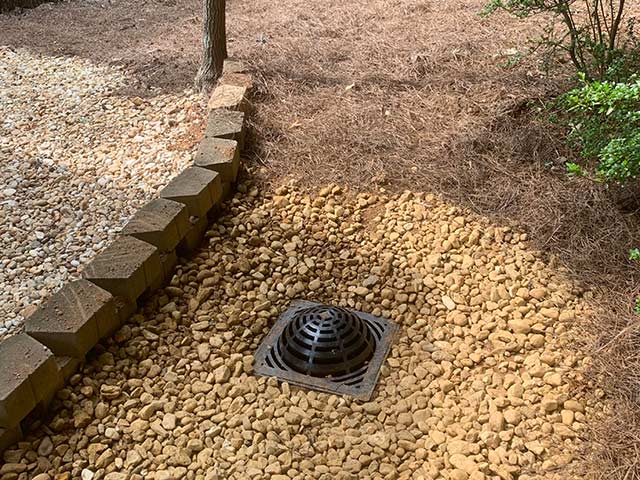
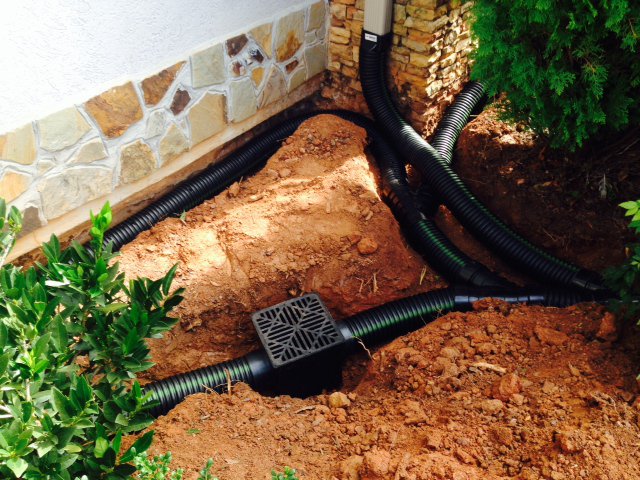
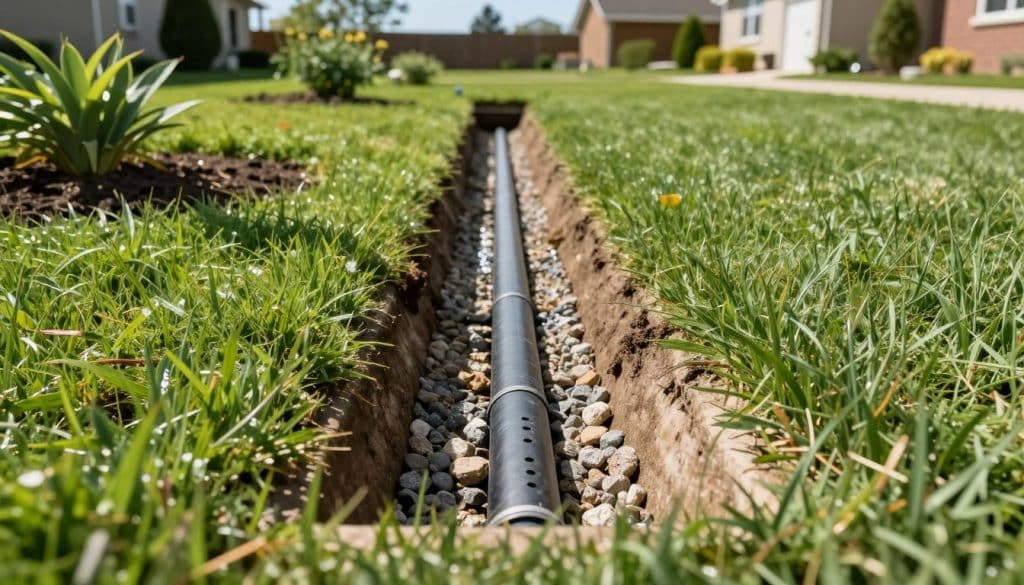
A simple french drain is a sloped trench filled with gravel and a perforated pipe that moves water by gravity away from your home. Typical yard installations sit in the 18–24 inch range, but depths change near a foundation or basement when groundwater plays a role.
Our focus is fixing exterior drainage and grading so water never reaches interior walls. That often avoids costly interior systems. We tailor each plan to the property, not a script. Call us at (678) 389-9544 or email carter@drainagefirst.com to discuss solutions for your Atlanta property and stop flooding before it starts.
Key Takeaways
- Typical trench depth for yards: 18–24 inches.
- Greater depth may be needed near foundations or basements.
- French drain = gravel + perforated pipe + slope to move water away.
- Exterior drainage fixes often prevent interior systems.
- Owner-led service with same-day written estimates: (678) 389-9544 | carter@drainagefirst.com.
Why French drain depth matters for protecting your home, foundation, and basement
Good drainage is a simple physics problem: give water a clear, downhill route and it will follow. Gravity pulls rain and groundwater into the trench, through the gravel, and into the perforated pipe for safe discharge away from the house.
When the trench and pipe sit at the right depth with the correct slope, the system collects water along its length instead of only at a single inlet. That means wet soil feeding the problem is relieved, not just surface runoff.
What the right depth prevents
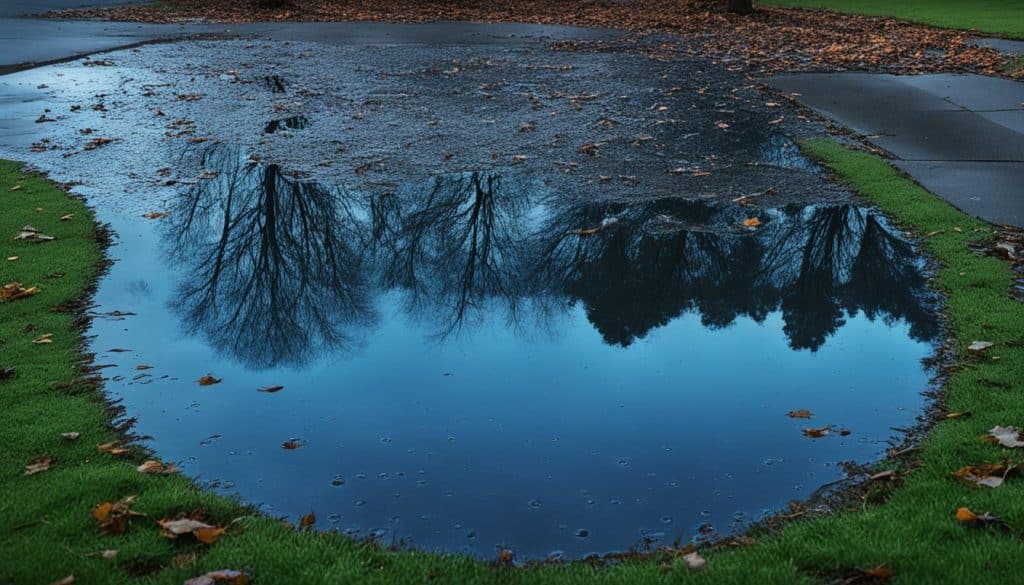
Too shallow a line often skims surface water and misses saturated soil. That leads to recurring pooling and added pressure against below-grade walls.
- Less standing water and faster yard drying after storms.
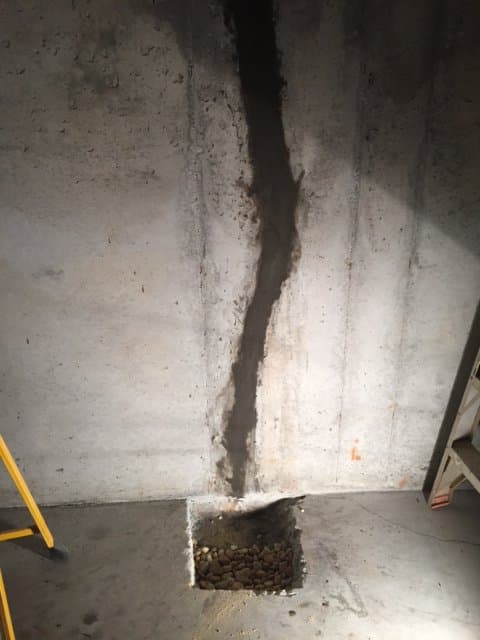
- Reduced hydrostatic pressure on foundation and basement walls, lowering seepage and long-term damage risk.
- Fewer erosion spots and less musty basement odor.
We focus on education and practical fixes. In Metro Atlanta, addressing exterior grading and proper trench depth usually stops water at the source so it never reaches the walls.
How deep french drain should be for common residential drainage problems
I walk every property to match trench plans to the actual water paths I see after a storm.
Typical yard surface water: For lawns and shallow runoff, aim for a trench in the 18–24 inches range. This intercepts surface water and paths where puddles form.
Groundwater and high water table areas
When groundwater or a high water table feeds the issue, I move the pipe deeper. Plan on 24–36+ inches so the system catches saturated soil, not just surface water.
Foundation perimeter and basement protection
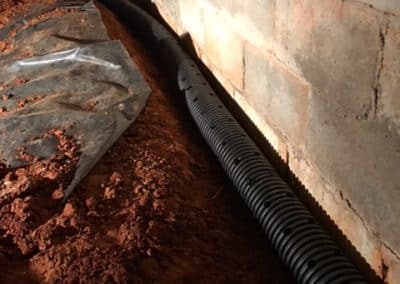
For basements, position the line at or below footing level. That prevents water from pooling beside the foundation and lowers hydrostatic pressure on walls and floors.
Retaining wall drainage
Retaining walls often need drains that follow the base and can reach near 48 inches depending on height and soil. This reduces pressure and limits soil movement.
- Practical warning: deeper is not always better if slope, utilities, or discharge are compromised.
- These are starting targets; I confirm the final plan after an on-site review.
Key factors that determine the ideal French drain depth on your property
My first step is a quick site check of soil, slope, and low spots to set an honest depth target. I want homeowners to see the factors that truly matter, not a one-size number.
Soil type and drainage performance
Clay holds water and drains slowly. That raises pooling risk and can push fine particles into gravel. Loamy soils are balanced and usually need standard designs. Sandy soils let water move faster but may shift without proper fabric and bedding.
Slope, grade, and topography
Grade decides whether we can keep consistent fall. Steeper sites need less depth to move water. Flat areas often need deeper trenches or grading to create reliable flow.
Downspout discharge and low spots
Watch where roof runoff lands. Many problems trace to downspout discharge into the same saturated location. Note areas that hold water for hours or days after rain; that points to the best location for a line.
Climate and frost considerations
Frost depth affects placement in colder regions. In Atlanta, freezing is less critical, but regional frost still matters in colder pockets. I factor this into any plan for long-term performance.
- We’ll walk the property and use this checklist to pick the right depth and solve the real issue.
- These factors guide a custom plan rather than a guess from a chart.
Depth and slope basics to keep water moving through the drain system
Measure fall in feet, not just inches, when planning a reliable yard route. A gravity system needs a steady fall so the pipe clears sediment and carries water to the discharge.
Minimum slope guidance for reliable flow over distance
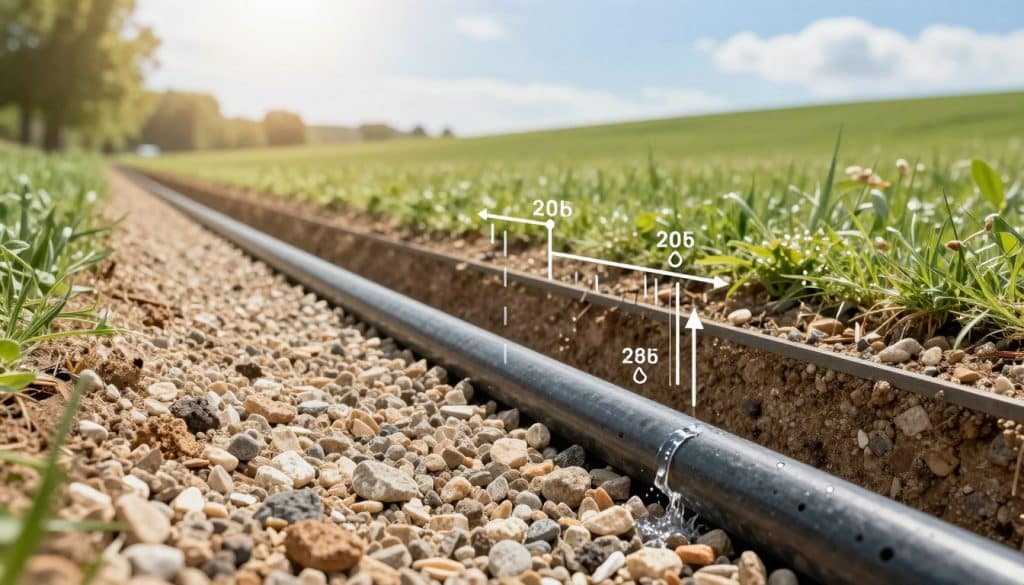
Rule of thumb: aim for a 1% grade — about 1 inch drop per 10 feet of run. That baseline keeps pipes flowing on typical runs and is my starting check on every site visit.
Balancing depth in feet with slope
Depth alone does not guarantee performance. Too deep with little fall causes slow flow, sediment build-up, and standing water in the pipe.
- Think in feet over distance: a 30-foot run needs different planning than a 120-foot run.
- When the yard is flat: change the route, move the discharge, or pair the work with grading.
- Why it matters: accurate measuring during drain installation prevents low spots that lead to recurring trouble.
Trench build details that support long-term performance at the chosen depth
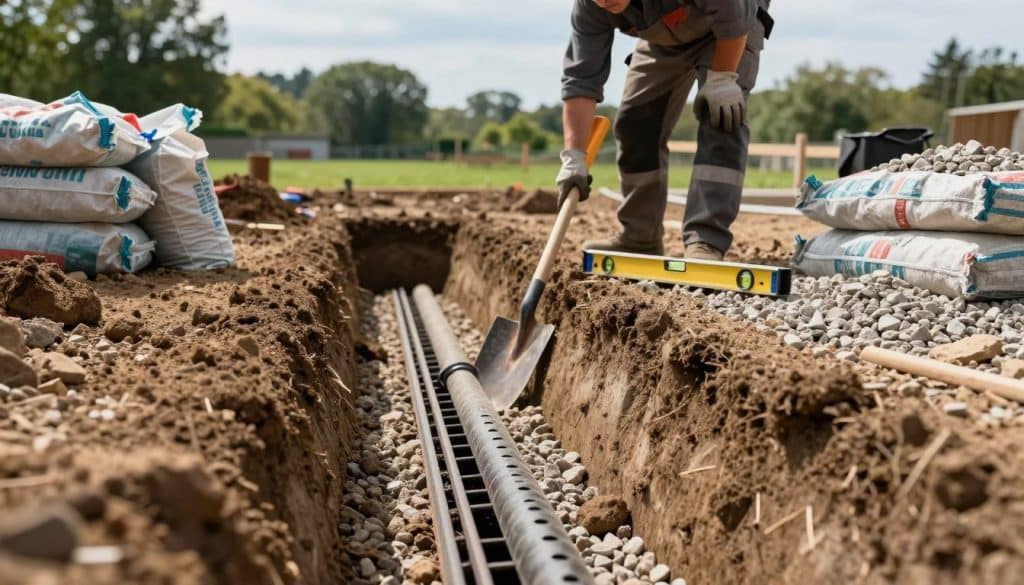
A proper trench is a layered assembly, not just a hole for a pipe. I build the line in order so the chosen depth keeps working for years. Start at the bottom with a clean gravel bed set 2–3 inches below the pipe bottom. That gives the pipe a firm, permeable base and keeps the bottom stable.
Filter fabric placement
Use non-woven fabric to line the trench and wrap the gravel and pipe. This “burrito” technique locks out fine soil particles and prevents slow clogging. Fold the fabric over the top gravel before backfill so the aggregate stays clean.
Gravel bedding and cover
Place clean, washed gravel around the pipe. Keep the pipe centered and off the soil. Aim for 3–6 inches of gravel above the pipe and a few inches of bedding below. Top with soil or decorative rock depending on the area.
Pipe placement and common options
I typically use 4-inch perforated PVC for durability or corrugated pipe when flexibility matters. Upsize when saturation is heavy. Center the pipe in the aggregate and maintain a steady slope so the system moves water without pooling.
- Layer table (3×3): Fabric | Gravel base (2–3″) | Pipe centered
- Gravel surround | Top gravel (3–6″) | Folded fabric over
- Soil cover | Finished grade | Surface area restored
Common depth-related mistakes that cause French drains to fail
Many installs fail because the line never reaches the wet soil that feeds the problem. A trench that sits too shallow only skims surface runoff. It does not relieve hydrostatic pressure against foundations. That leaves water pressing at underground walls and invites repeat damage.
Too shallow to intercept subsurface flow and relieve pressure
Shallow placement misses saturated soil. Homeowners then see recurring puddles, damp basements, or musty odors. In short, the fix looks temporary and costly.
Ignoring slope, leading to pooling and slow performance
Poor grade creates low spots where the pipe holds water. That causes slow drainage, clogs, and the “worked for a month” pattern. I measure fall on every job to avoid that trap.
Skipping fabric or using poor aggregate, causing sediment buildup
Dirty gravel or missing fabric lets soil migrate into the pipe. Sediment reduces flow and leads to frequent maintenance. The simple fix is proper filter fabric, clean aggregate, and consistent trench depth.
- Red flags: standing water, recurring clogs, and basement moisture that returns after light rain.
- Our approach: measured trench depth, steady slope, and correct materials so you avoid wasted time and repair costs.
Conclusion
A site-specific plan is the best way to protect foundation and basement areas from recurring water.
I confirm practical benchmarks: typical yard trench 18–24 inches, foundation or basement installations 24–36+ inches, and a minimum 1% slope for reliable flow.
Fixing exterior grading and drainage first often avoids costly interior systems. Observe where water collects, plan a safe discharge, and always call 811 before excavation.
We are locally owned with 20+ years of owner-led service in Metro Atlanta and nearby areas. For a written estimate the same day, call (678) 389-9544 or email carter@drainagefirst.com.