Have you ever wondered why two neighbors pay very different amounts to stop water from entering their homes? How much does basement leak repair costs?
I’m the owner of Drainage First, a locally owned Metro Atlanta company with over 20 years of hands-on service. I focus on smarter, more affordable drainage-first solutions and give a written estimate the same day.
The national average for basement waterproofing sits near $5,228, with common ranges from about $2,459 to $8,186 depending on size and severity. Ignoring water problems can lead to mold and foundation damage that costs far more down the road.
We’ll look at the whole home, not just the wet spot. True waterproofing starts by controlling exterior drainage and how runoff moves before it reaches your foundation.
Call us at (678) 389-9544 or email carter@drainagefirst.com to learn what a practical, long-term project would mean for your property.
Key Takeaways
- I explain why prices vary and what affects final cost.
- We prioritize drainage first to protect your foundation and home value.
- Average price ranges give context, but every project is unique.
- We offer same-day written estimates and local, personal service.
- Choose systems that target water flow, grading, and lasting protection.
Why basement leaks get expensive fast and what you’re really paying for
A small wet spot can turn into an expensive mess faster than most homeowners expect. I focus on practical solutions that stop problems before they need big, disruptive work.
How fast moisture can turn into mold and water damage within days
Moisture stays in building materials and creates ideal conditions for mold in 24–48 hours. Once mold sets in, remediation commonly runs $500–$3,500, while water damage restoration often falls between $1,360 and $6,290.
Why “cheap fixes” often lead to higher repair costs later
Many DIY patches and paint-over approaches hide symptoms but not the cause. When hydrostatic pressure or poor exterior grading pushes water toward the foundation, interior-only fixes fail.
- Immediate risk: wet materials + time = mold and bigger problems.
- Hidden expenses: drywall, insulation, flooring, baseboards, and clean-up before real work begins.
- Chain reaction: one source of water often becomes multiple points of damage and staining.
- Practical solution: manage water outside, relieve pressure, and limit repeat service and long-term costs.
I recommend starting with grading and exterior waterproofing to lower risk. We’ll help you prioritize measures that prevent repeat work and protect indoor air quality and resale value.
Basement leak repair costs: typical price ranges for waterproofing and drainage work
Knowing what most homeowners pay makes it easier to compare written estimates. I’ll give clear ranges, what drives prices up, and when a full fix is the smarter choice.
National averages and common ranges homeowners see
The national average for basement waterproofing sits near $5,228, with many projects between $2,459 and $8,186. Simple crack sealing or interior paint approaches can be about $1,000.
Low-cost fixes vs full-system projects
Targeted fixes work when the issue is small and isolated. Full-system projects include drainage improvements, directing downspouts, grading, and sometimes pumps and interior systems as backups.
- Budget option: localized sealing, small interior work — often under $2,000.
- Full exterior approach: excavation, French drains, membranes — can exceed $20,000.
- Tip: choose the option that stops water at the source to avoid repeat service.
Labor rates, scheduling, and seasonal demand
Skilled waterproofing and drainage work is labor-heavy. Labor often averages about $200/hour and crew availability can change your total.
In Metro Atlanta, spring and summer booking can push scheduling weeks or months out. I offer same-day written estimates to help homeowners act before peak demand raises prices.
What drives the cost of basement waterproofing and leak repairs
Costs change a lot depending on the home’s layout, the foundation type, and how water reaches the structure. I start every estimate by finding the root exterior drainage issues common to Georgia homes. That directs the most cost-effective waterproofing method.
Size, depth, and pricing rules
Square footage and perimeter length matter. Smaller spaces (about 500 sq ft) often run $1,500–$5,000. Larger areas scale up: 1,000 sq ft can be $3,000–$10,000 or more depending on method.
Foundation type and wall condition
Poured concrete is usually easier to seal. Block walls often need extra work at mortar joints. Foundation repairs can add $2,000–$8,500; underpinning is much higher.
Water source, severity, and method choice
Seepage is different from standing water or hydrostatic pressure. Serious pressure often requires drainage systems, not just surface coatings.
Location, finished space, and add-ons
- Permits may run $75–$500 and affect scheduling.
- Tear-out and restoration for finished rooms add substantially to the job total.
- Common add-ons include mold remediation ($500–$3,500+), junk removal ($130–$370), and water damage repair ($1,360–$6,290).
Interior vs exterior waterproofing costs and which approach makes sense
Choosing the right approach starts with knowing whether you need to manage water already inside or stop it before it arrives. I’ll explain the tradeoffs so you can pick the smart option for your home and budget.
Interior systems: what they do well
Interior solutions commonly run $2,000–$6,000 and often about $3,000. They use drain tile, sump pumps, and barriers to move water once it enters.
This method is less disruptive to landscaping and can be the right short-term option for finished spaces or limited budgets. Expect ongoing maintenance and reliance on a pump during storms.
Exterior solutions: why they often last longer
Exterior methods commonly run $7,000–$15,000. They fix grading, add drainage, and use membranes to keep water away from the foundation.
When done correctly, exterior waterproofing reduces hydrostatic pressure and can last decades. It’s more disruptive up front but often the most cost-effective long term.
When a combined approach makes sense
Combined projects typically range $8,000–$18,000. Exterior drainage serves as primary defense and an interior system acts as backup.
I recommend a drainage-first strategy in Metro Atlanta because many problems trace back to water collecting near the house. That approach reduces repeat service and gives the best long-term protection.
- Symptom management: interior systems control water already inside.
- Root-cause fix: exterior drainage stops water before it reaches the foundation.
- Best practice: prioritize exterior solutions and add an interior pump or drain where risk remains high.
Cost by method: common basement leak repair options compared
Not every method fixes the same problem — and that mismatch often wastes money. Below I compare common approaches so you can match the solution to the real source of water at your foundation.
Crack injection
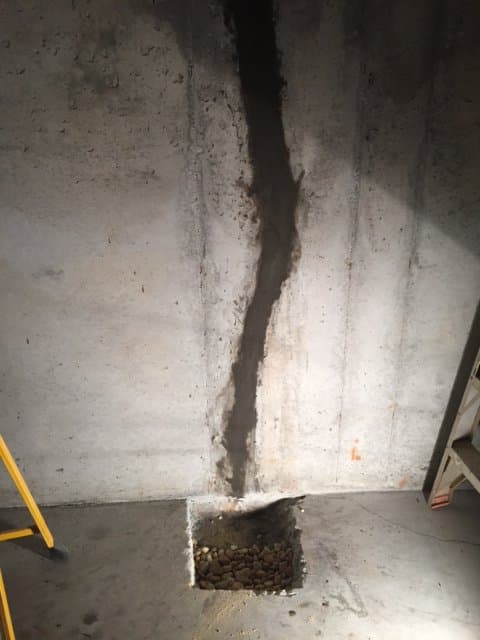
When it helps: stable cracks with no active pressure. Typical range is $800–$1,500 per crack.
Some cracks reopen over time. That’s why professionals price per crack and inspect walls first.
Interior drain tile & subfloor systems
Interior drain tile runs about $60–$120 per linear foot. Subfloor drain tile systems are $25–$55 per linear foot.
These move collected water to a sump. Expect slab work and some disruption in finished areas.
Sump pumps
Sump pump installs usually run $1,200–$2,500. Add battery or water-powered backups for storm resilience.
Waterproof paint & vapor barriers
Paint costs $1–$8 per sq ft and can help with humidity. Vapor barriers often run $1,500–$3,000.
Neither stops pressurized water. Paint may need reapplication every 5–10 years.
Exterior excavation & French drains
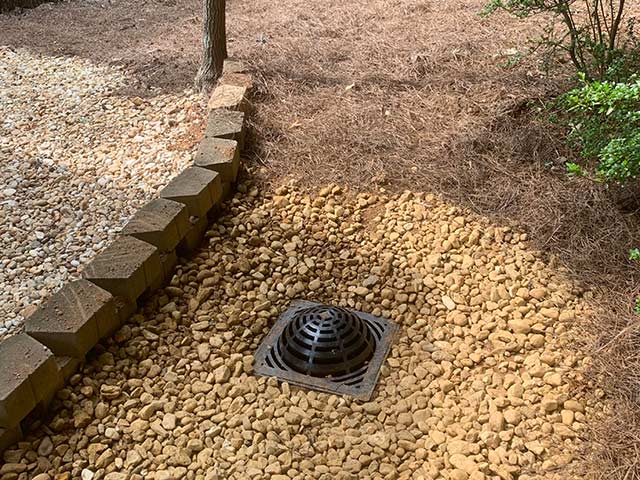
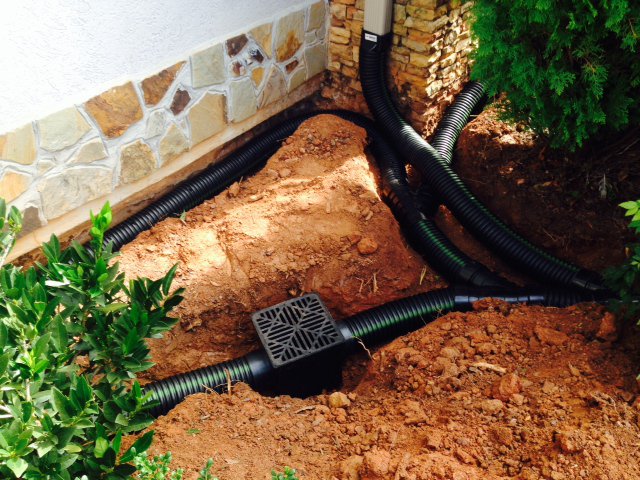
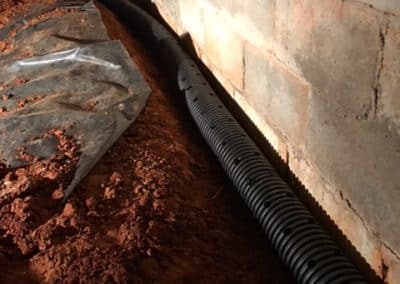
Excavation often bills by cubic yard ($50–$200) and French drains by linear foot ($10–$100). Membranes and new grade can last decades when done right.
Gutters, downspouts & grading
- Most cost-effective prevention: gutters and extensions typically $650–$1,750.
- Proper grading directs surface water away and often prevents interior systems from being necessary.
My advice: start with exterior drainage and grading when that will solve the problem. That approach reduces repeat work, lowers long-term labor and materials, and protects finished walls and indoor air quality.
Metro Atlanta cost considerations for basement leak repair
Metro Atlanta yards face a mix of heavy storms and clay soils that change how water moves near your foundation. I see the same pattern: poor grading and tight lots often force more extensive exterior work than homeowners expect.
Why grading and drainage are common here
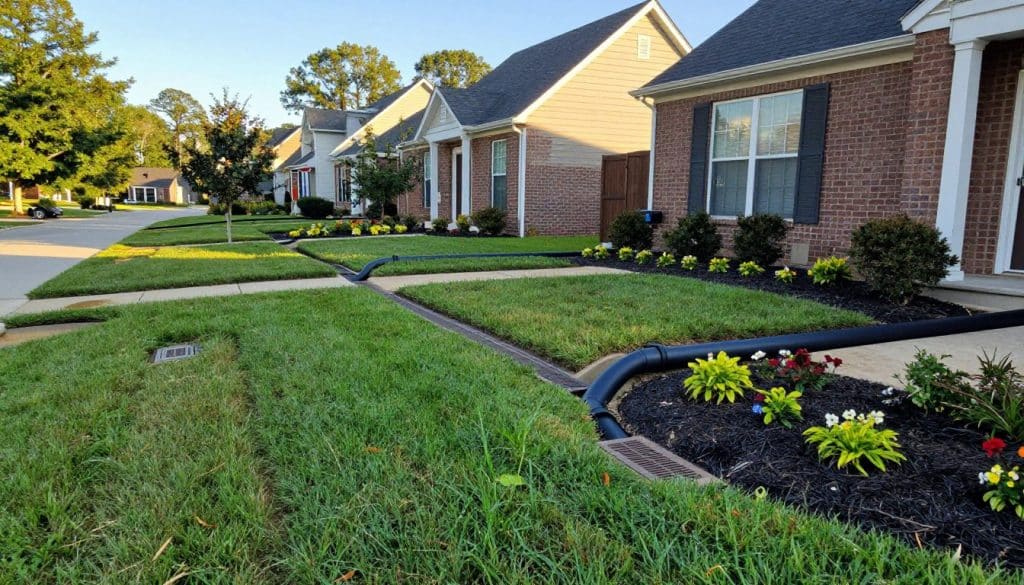
Heavy runoff and shallow slopes push surface water toward foundations in many neighborhoods. That increases the chance of wall seepage and makes drainage upgrades a priority for reliable basement waterproofing.
Soil, slope, and how they change project scope
Clay soil holds water and raises excavation difficulty. A steep yard or low spot can mean longer trenching and more material. Those factors affect the size and method of exterior systems needed to move water away from concrete walls.
Permits and access limits that raise price
Tight side yards, patios, and fences complicate digs. Permits for tie-ins or excavation typically run $75–$500 in our area. Expect higher restoration work when driveways or landscaping must be removed and replaced.
- Local approach: I tailor solutions to each home and lot.
- Priority: stop water at the source with smart grading and exterior drainage.
- Transparency: written estimates show permit and access line items up front.
DIY vs hiring a pro: where homeowners can save money without risking failure
Some projects are safe for a confident DIYer; others will cost you more if attempted alone. I encourage smart, low-risk work that reduces moisture and gives real value to your home.
Simple tasks homeowners can do
- Clean gutters and extend downspouts to move water away from the foundation.
- Fix small grading dips with soil to improve surface drainage.
- Use ventilation and a dehumidifier to control humidity in finished interior spaces.
When to call a professional
Leave exterior drainage design, excavation, and interior drain systems to pros. Electrical work for a pump and major foundation cracks require tools and permits. These projects often affect warranties and need certified labor.
Comparing estimates and warranties
Ask for written scope, linear-foot quantities, materials, restoration plans, and exclusions. Check warranty terms: what’s covered, required maintenance, and whether professional installation is required to keep coverage valid.
Why Drainage First is the smarter choice for basement water problems in Metro Atlanta
When water shows up around your foundation, the smartest fixes often start outside the house. I’m the owner of Drainage First and I handle service calls personally. We assess how runoff behaves and recommend the simplest, most effective solution for your home.
Locally owned, hands-on service
Over 20 years of on-site work means I see the same patterns across the area. We inspect, diagnose, and explain the method that stops problems at the source.
Drainage-first vs interior-only systems
Interior systems can manage symptoms, but they often leave the root problem in place. We prioritize grading, downspouts, and exterior drainage so you avoid disruptive interior work when possible.
Fast turnaround and written estimates
As a small local company, we move quickly. Expect a written estimate the same day and clear next steps to protect your foundation and finished space.
- We show up: owner-run inspections.
- We diagnose: find the exterior source before recommending systems.
- We act fast: same-day written estimate and local scheduling.
Contact Drainage First at (678) 389-9544 or carter@drainagefirst.com for service in Metro Atlanta and nearby areas.
Conclusion
Smart decisions come from matching methods to the true source of moisture on your property.
Summary: pricing depends on water source, foundation condition, wall size, and chosen waterproofing method. Early action matters—mold can start in 24–48 hours, so quick steps save time and money.
Spend wisely: fix grading and exterior drain first when that solves the problem. Use targeted interior systems only as backup. Inspect gutters, watch for recurring cracks and document damage before calling for estimates.
I’ve run Drainage First locally for 20+ years. For Metro Atlanta homeowners, we offer a practical, drainage-first approach and a same-day written estimate.
Call (678) 389-9544 or email carter@drainagefirst.com to schedule a fast, honest review and the right solution for your location.