Have you ever wondered if a gravel trench can solve your yard water problems faster than an interior fix?
I’m the owner of Drainage First, a locally owned Metro Atlanta company with over 20 years of hands-on experience. We focus on exterior grading and common-sense drainage so homeowners stop water at the source.
We provide fast, personal service, same-day written estimates, and quick start times. My team handles service calls so you speak to the people who will do the work.
When people search for a french drain without pipe, they usually mean a gravel-based trench that uses soil and rock to move water away. That method can work in Atlanta when surface runoff is the issue and the outlet is planned right.
In this article I’ll show you how to identify the real problem, choose the right system, and build a solution that actually moves water away instead of creating new soggy spots on your property. Call us at (678) 389-9544 or email carter@drainagefirst.com to discuss solutions for your Atlanta property and stop flooding before it starts.
Key Takeaways
- We focus on exterior fixes and grading first to protect your home.
- No-pipe trenches use gravity, gravel, and soil to create a path for water.
- Know if you have surface runoff or groundwater before choosing a system.
- We offer same-day estimates and hands-on service across Metro Atlanta.
- Sometimes a proper system with protected inlets is the smarter long-term fix.
What a french drain without pipe is and when it actually works
People use terms like land drain, weeping tile, and rock trench interchangeably, and that creates confusion. I want to make the differences clear so you can pick the right fix for your Metro Atlanta yard.
“French drain” vs land drain vs weeping tile: why the names get confusing
A land drain or weeping tile historically meant a buried channel that moves water away from a structure. Homeowners often call any buried system a french drain, even when construction changes.
The original “no-pipe” method and how modern installs differ
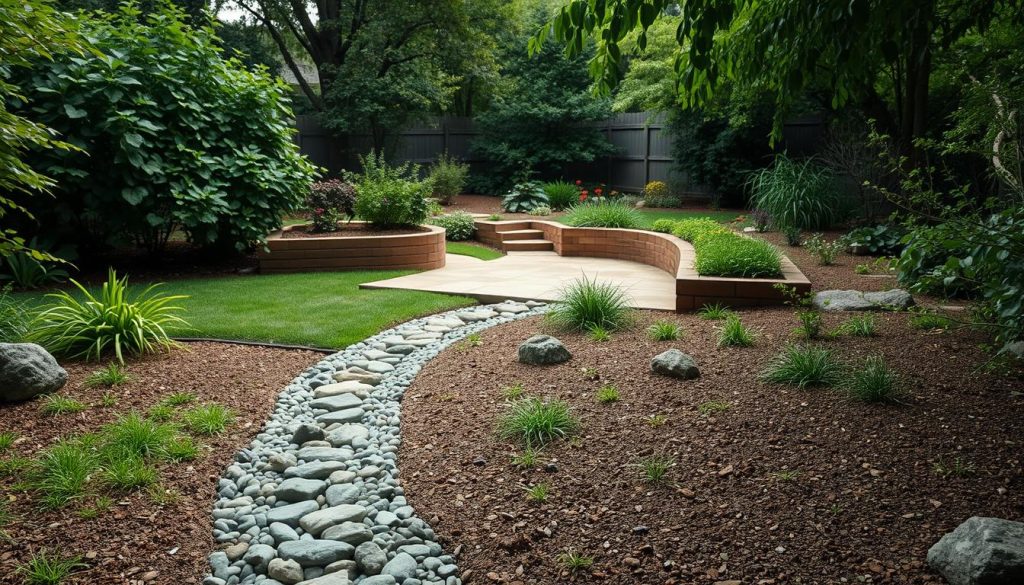
The classic system is a shallow trench backfilled with rock or gravel and wrapped with filter fabric. It works when surface runoff is light, the trench has a steady slope, and the outlet is close and reliable.
- When it’s realistic: short runs, loose soil, and visible surface flow.
- When it’s not: long distances, tight clay, or spots needing positive conveyance.
- Modern choice: adding a perforated pipe or protected inlet boosts reliability, while an open ditch only handles obvious surface flow.
Next, we diagnose the problem. Picking the wrong style is why many DIY attempts fail, and I’ll help you avoid that.
Identify the water problem before you dig: surface water vs groundwater
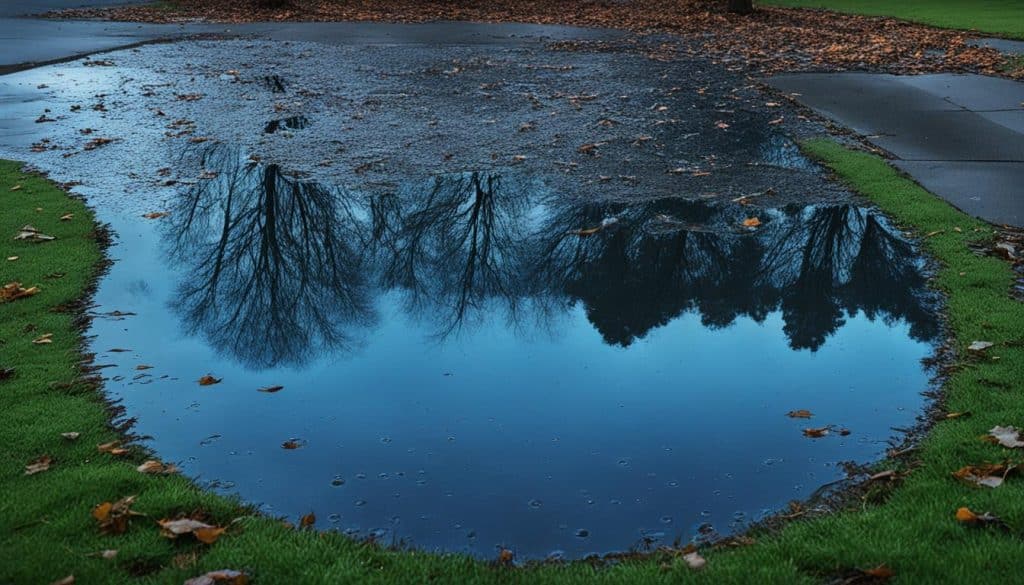
Start by watching where water pools and where it runs after the next heavy rain. I use this simple check on service calls to tell surface flow from subsurface saturation.
Signs you’re dealing with surface runoff in the yard, garden, or driveway
- Sheet flow across turf: water moving in a broad, visible way after storms.
- Eroded soil lines: topsoil washed from beds or down slope areas.
- Puddling at edges: standing water near the driveway or low spots that drains within a day.
Signs of subsurface saturation near the foundation or basement walls
- Spongy ground next to the foundation that stays wet for days.
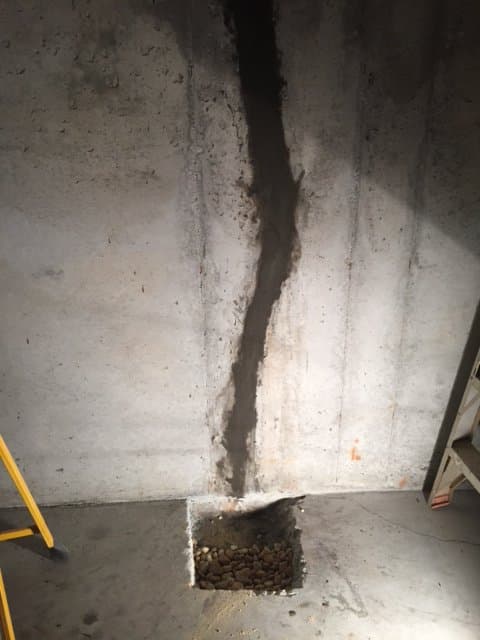
- Persistent damp or musty basement walls and recurring seepage.
- Moisture at the base of walls, cracks, or joint leaks even when gutters seem fine.
Hydrostatic pressure is simple: when soil is fully saturated, water pushes and finds the easiest way out. That pressure can force water sideways into foundation walls and lead to cracks or basement moisture.
Our approach at Drainage First focuses on the exterior grade and controlling surface water first. Once you know whether the problem is surface flow or groundwater, choosing the right layout, materials, and outlet becomes clear — and more cost effective.
Plan the layout: trench path, slope, and the best place for the water to go
A thoughtful plan for the trench path and the end point saves time and prevents rework. I start every job by mapping highs and lows so the route follows the natural grade and keeps water moving the right way.
Use grade and a clear minimum slope
Keep a minimum slope of 1%—about 1 foot of drop over 100 feet. That small slope prevents flat runs where a rock trench fails.
Smart discharge options for Metro Atlanta yards
- Daylight to a lower yard area or natural basin when possible.
- Tie into an existing swale to carry surface water safely away.
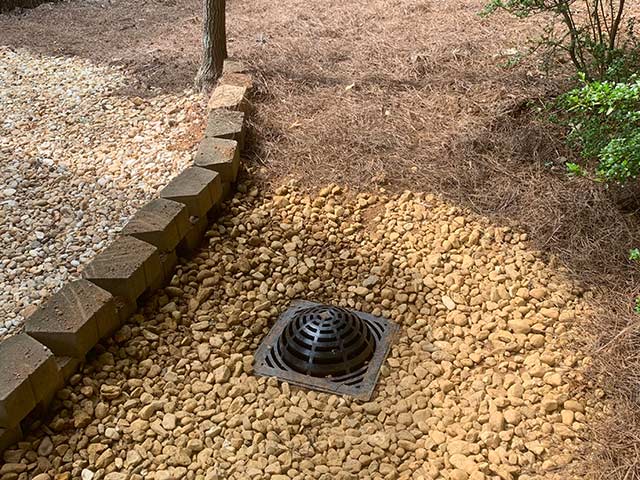
- Install a properly sized dry well or gravel pit when daylighting isn’t possible and soil will accept infiltration.
What not to do with the outlet
Never dump the end next to the foundation or create a new basin that stays wet. That only moves the problem.
Mark the top and low points, visualize the water’s way across the land, and confirm the chosen outlet won’t send flow onto walkways or neighbors. Planning like this is how we at Drainage First save homeowners money and protect the home for the long haul.
How to build a french drain without pipe trench using gravel, rock, and fabric
I’ll walk you through a simple, durable method to channel surface water using rock, fabric, and careful grading. I use hands-on checks to size the trench so we don’t dig deeper than needed.
Marking, depth, and width
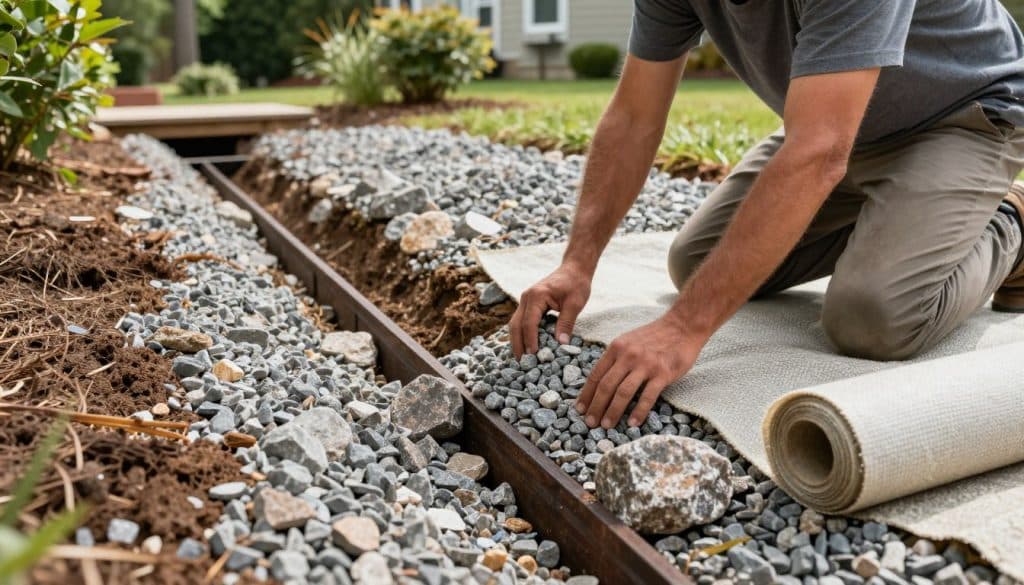
Flag the problem area and run a string line to keep slope steady. I plan for 12–18 inches depth for most installs and a width that matches the expected flow. Wider trenches move more water and resist clogging.
Lining, base, and layering
Line the trench with filter fabric. Add several inches of crushed stone to form the base so water prefers the gravel path over the soil.
- Place stone base, compact lightly, keep slope consistent.
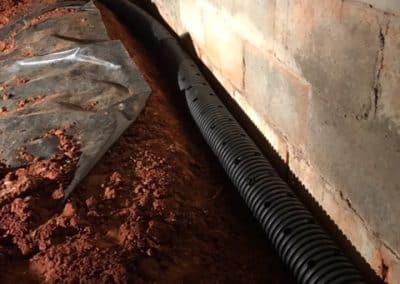
- If using a perforated pipe, set it on the stone and cover with ~6 inches of gravel.
- Wrap a fabric cap to block fines, then backfill and restore grass.
When to choose a piped system and downspout tips
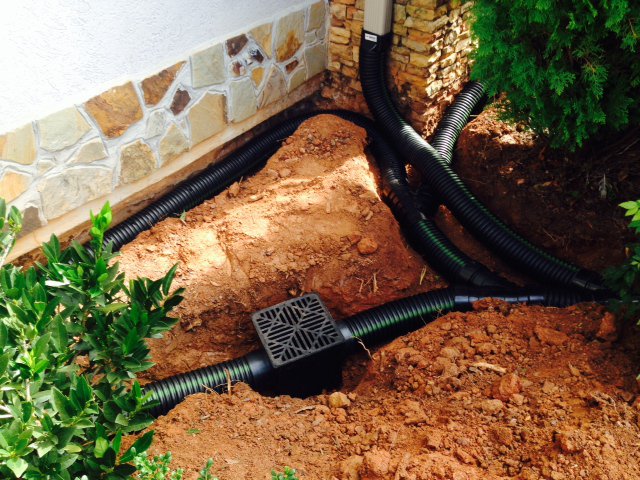
For long runs, clay soil, or heavy roof flow I recommend a perforated pipe for reliability. Tie downspouts to a separate line or route them to the trench inlet so roof water doesn’t overwhelm the gravel system.
Do it once: correct layout and materials at install time save repeated repairs and protect your property long term.
When a swale or trench drain beats a French drain for surface drainage
When rain runs across lawns and patios, the simplest surface fix often wins. I start by matching the solution to the visible problem. If water moves on top of the ground, a surface approach usually costs less and performs better.
Swales for broad, shallow flow control
A swale is a shallow, vegetated ditch that spreads and slows flow. It blends into turf, reduces erosion, and guides water away from foundations.
- Best for wide yard areas, side yards, and back yards.
- Shapes grade to move water across soil and into a safe outlet.
- Low maintenance: occasional reshaping and turf care keep the way open.
Trench drains for fast capture at paved trouble spots
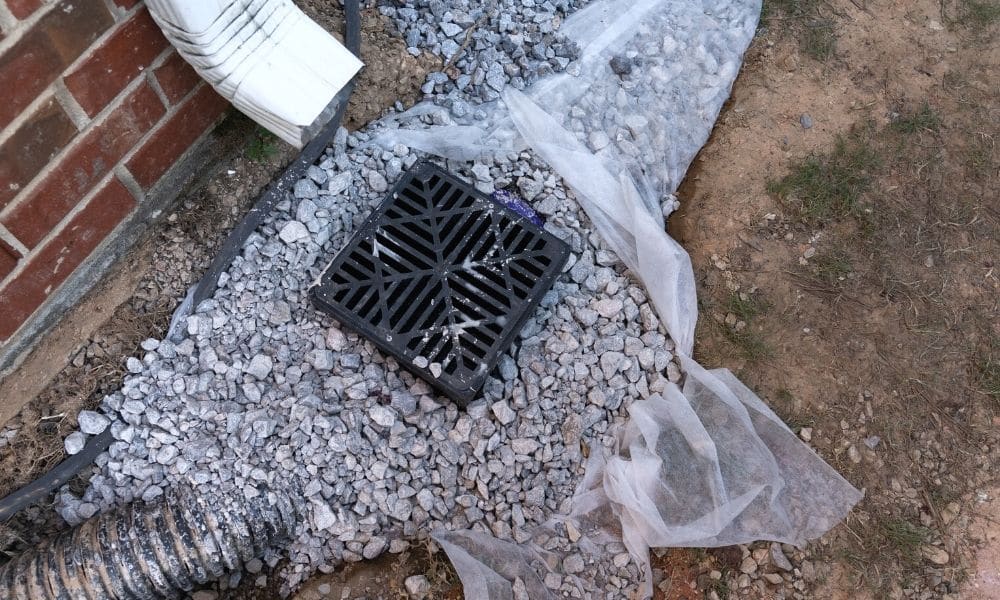
Where runoff crosses a driveway or pools near a garage, a grated channel works fast. Trench drains intercept surface flow and carry it away before it reaches the foundation.
- Ideal at drives, patios, and low hardscape points.
- Requires keeping the grate clear of debris for reliable performance.
- Often used with swales or a simple trench to finish the route.
My recommendation: If you see surface water moving, start with grade changes, swales, or trench drains. They protect the home, keep yards usable, and avoid unnecessary subsurface systems.
Common installation problems, maintenance realities, and when to call Drainage First
Many DIY attempts fail because unseen risks lie under the sod. Digging can hit utility lines, cause a trench collapse, or leave no true outlet for flowing water.
Utility risks, trench collapse, and why DIY can backfire
Hitting buried utilities or flattening a line during backfill breaks performance and can be dangerous. Loose soil or steep sides invites collapse during and after the job.
Clogging and root intrusion: design for access
Over time sediment, soil fines, and roots choke systems. Using quality fabric and the right stone reduces fines. Plan cleanouts and access points so maintenance is achievable.
Why exterior drainage and grading often solve basement water
Moving water away reduces hydrostatic pressure on foundation walls. In many cases, regrading and proper surface drainage stop basement leaks without costly interior work.
Local, hands-on help in Metro Atlanta
We’re locally owned and operated for over 20 years. I make service calls myself and my team handles installs. Expect a written estimate the same day and a quick start time in Metro Atlanta, Georgia and nearby areas.
Call Drainage First: (678) 389-9544 | carter@drainagefirst.com
Conclusion
The best solution starts by deciding if water is moving on the surface or saturating the soil. If flow is visible, swales, trench drains, and simple grading often work faster and cost less than buried systems.
A gravel-based french drain can handle short surface runs when slope and a true outlet exist. For long runs, heavy flow, or saturated land, adding a perforated pipe is the smarter long-term choice to prevent clogging and repeat work.
Non-negotiables: plan the outlet, keep enough slope, and build access for maintenance. We evaluate the site, recommend the simplest effective fix, and deliver a same-day written estimate.
I’m locally owned and hands-on. Call Drainage First at (678) 389-9544 or email carter@drainagefirst.com to schedule in Metro Atlanta and nearby areas.