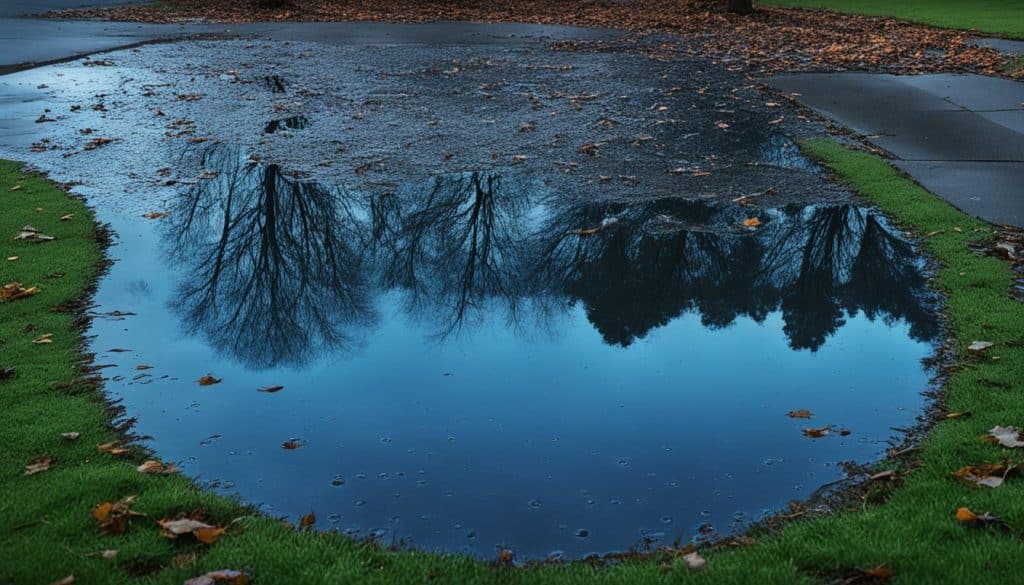
How do you choose the right pipe for yard drainage to keep your lawn dry and protect your home from water damage?
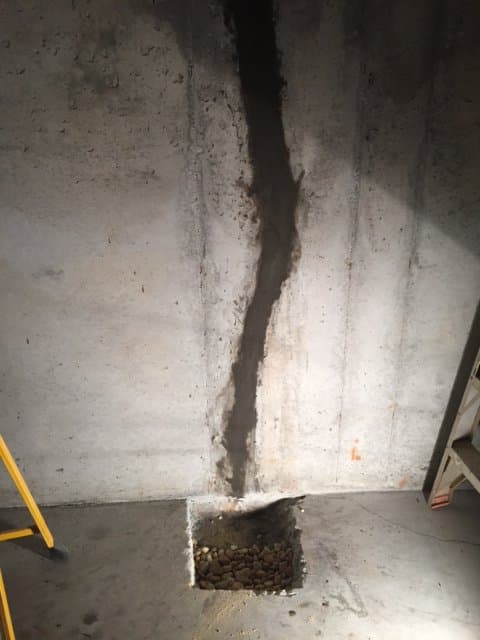
I’m Carter with Drainage First, and I see the same problem across Metro Atlanta: rain and roof runoff collect near the foundation, push against the underground wall, and then show up as leaks and ruined landscaping.
Homeowners ask one clear question: what is the right pipe that actually fixes yard water? I give a plain answer, and I explain the layout, slopes, and discharge points that make a system last.
We focus on exterior solutions first. In many cases, improving grading and moving water away stops basement seepage without costly interior work. I handle service calls personally and provide a written estimate the same day.
Over the next steps I’ll show how to diagnose the source of water, choose materials, and install a route that resists clogs and protects your home. Call us at (678) 389-9544 or email carter@drainagefirst.com to discuss solutions for your Atlanta property and stop flooding before it starts.
Key Takeaways
- I explain the real cause: roof and surface water collecting at the foundation.
- You’ll get a clear answer about which pipe and layout fix yard water.
- Correct slope, capture points, and discharge matter more than material alone.
- Exterior fixes often stop basement seepage without interior work.
- Drainage First offers owner-handled calls and same-day written estimates.
How to Diagnose Yard Drainage Problems and Choose the Right Fix
On service calls I trace where water starts, how it moves, and where it stops. That simple path—capture, convey, discharge—explains most wet-house cases in Metro Atlanta.
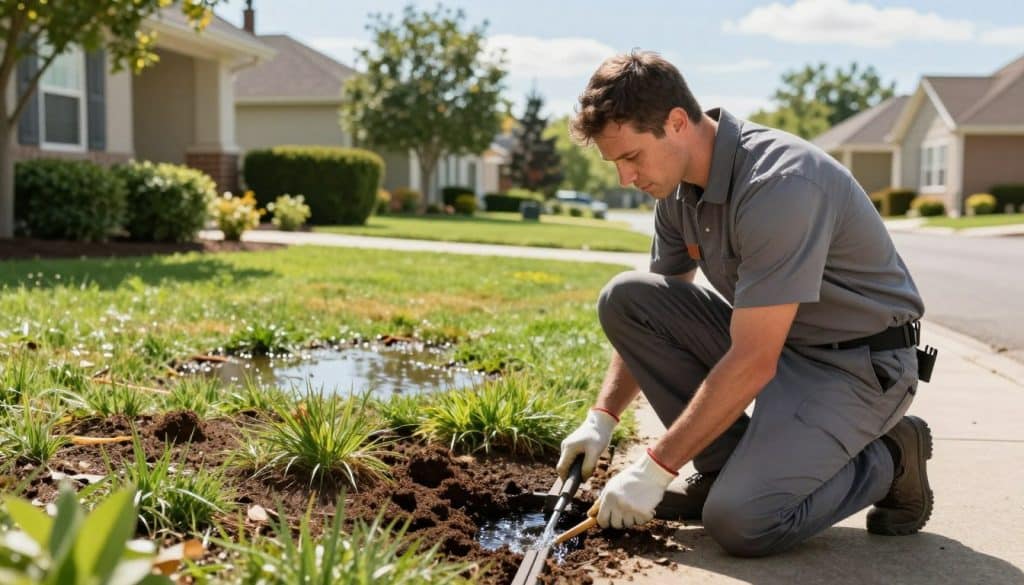
Common signs I look for are easy to spot. Standing water after rain, mushy lawn patches, staining near the foundation, a damp smell, or patio puddles that won’t dry.
To find the source, follow the roof to the ground. Check gutters, a short downspout, and low spots that funnel runoff back toward the house. Saturated ground next to the foundation is a frequent cause of seepage.
When to use a simple line vs a french drain
A solid discharge line often answers cases where one concentrated outlet overloads one area. It moves concentrated water to a safe exit point.
A french drain makes sense when water is widespread or soils stay saturated around foundations. It intercepts seepage across a wet zone and directs it out.
- Outside-first checklist: spot overflowing gutters, inspect downspout length, and mark low channels that carry runoff to the house.
- Best next step: if the problem is one concentrated source, test a short discharge route; if wet areas are broad, plan an intercept trench or french drain.
- My on-site check: confirm slope, measure soak time after rain, and verify the final discharge won’t shift the problem elsewhere.
Call (678) 389-9544 or email carter@drainagefirst.com if you want a clear answer and a practical plan to keep water moving away from your house.
Choosing the Best pipe for yard drainage: Materials, Sizes, and Options
Choosing the right underground line starts with matching material, size, and the real soil you have. I give a practical answer that balances cost, longevity, and performance.
Corrugated vs. PVC
Corrugated is flexible and cheap. It bends around obstacles and installs fast. But ridges trap sediment and slow flow over time.
Smooth-wall PVC moves water more efficiently. Fewer ridges mean fewer spots where debris can collect. PVC also accepts clean-outs, which helps long-term maintenance.
Durability, roots, and sizes
Thinner, ridged material is easier to damage and can invite root intrusion near beds and shrubs. I recommend tougher PVC near plantings.
- Common size: 4-inch is the typical residential diameter and handles most downspout loads.
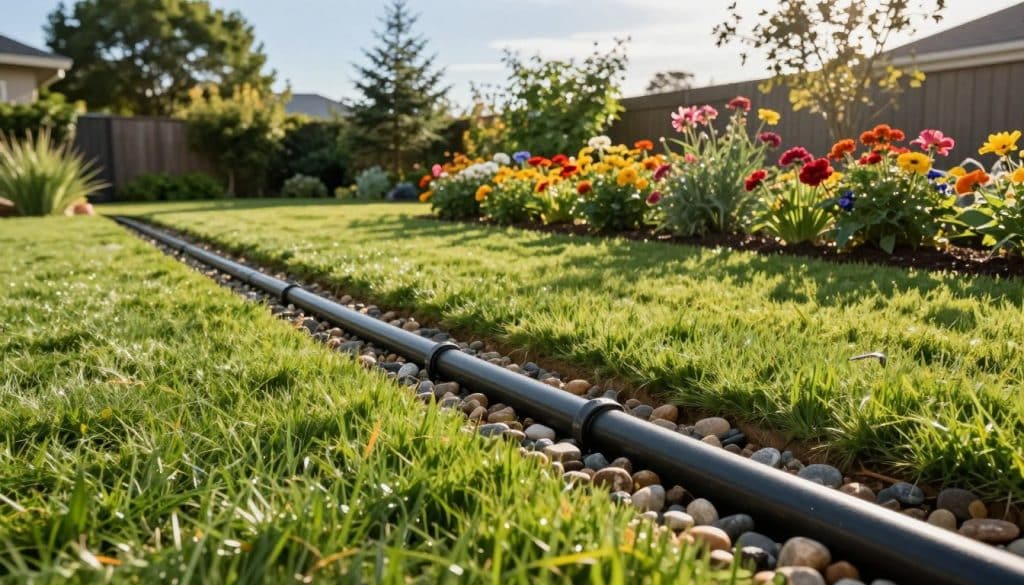
- Solid vs perforated: use solid runs to carry water to discharge; use perforated in gravel trenches like a french drain.
- Perforation style: knife-cut slits limit sand infiltration while still letting water enter during wet periods.
I aim to give a clear answer, not sell upgrades. Match soil type and debris load to the right material and size, and you get a system that lasts. Call (678) 389-9544 or email carter@drainagefirst.com to discuss options and a site-specific plan.
Designing Your Yard Drainage Line for Reliable Water Away Performance
A practical route and steady slope keep stormwater moving instead of sitting and causing problems. I design systems that move water minute by minute, not hour by hour.
Planning the route and slope
I map from roof and downspout collection points to a safe exit. Then I set a consistent grade so the line never has low pockets that hold water.
Turns, degree changes, and fittings
Every sharp degree costs flow and raises clog risk. I limit bends, use gentle fittings, and avoid extra fittings that make later work harder.
Basins and catch points
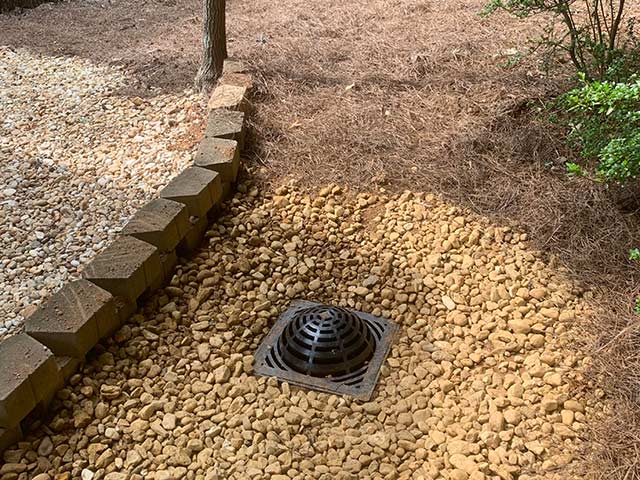
Basins act as pre-filters. They catch leaves and sediment before anything reaches the main line. That simple step cuts maintenance and protects downstream sections.
- Move water reliably: consistent slope so it keeps flowing minute by minute.
- Map the route: pick an exit that won’t push water back toward the foundation or a neighbor.
- Design mistakes to avoid: too many turns, flat runs, no catch points, and discharging too close to the structure.
If you want a straightforward answer and a plan that actually works, call (678) 389-9544 or email carter@drainagefirst.com. I’ll assess space constraints and give a practical, exterior-first solution.
How to Install a Drainage Pipe System That Holds Up Over Years
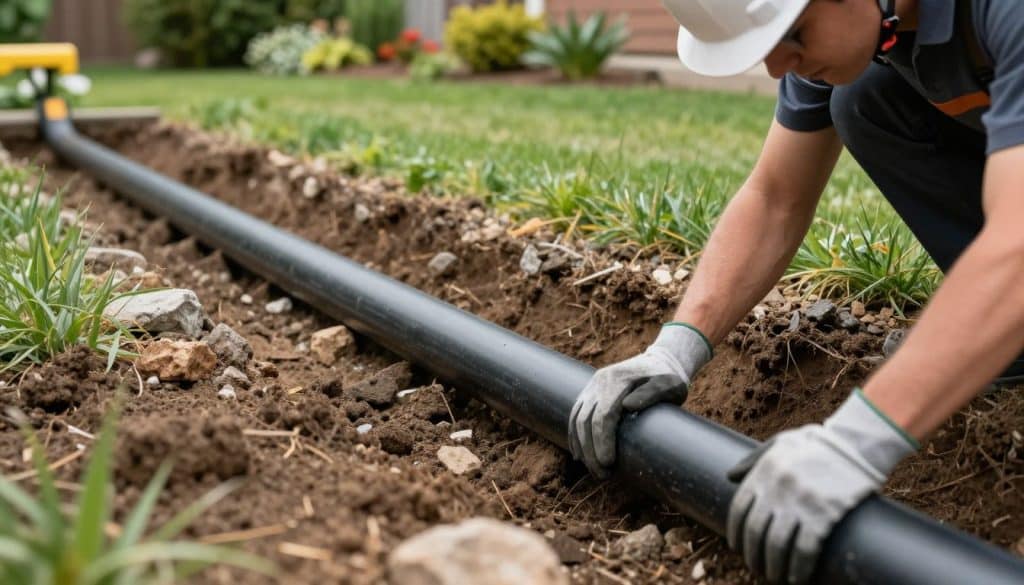
Years of reliable performance begin at excavation. I set a trench, confirm slope, and place materials so the run does not settle or trap water.
Trench depth, spacing, and backfill choices
Start deep enough to protect the line from freeze-thaw and surface traffic. I commonly use a 12–18 inch cover, deeper where lawn use or spring frost is an issue.
Bed the run with sand in tight spots, then add clean gravel around the product for structure. Finish with native ground to restore the lawn.
Filter fabric and long-term flow
I wrap the gravel with non-woven 4oz geotextile. It resists UV and biological breakdown and lets water pass—about 140 gallons per minute per square foot—while keeping fines out.
Connections, clean-outs, and testing
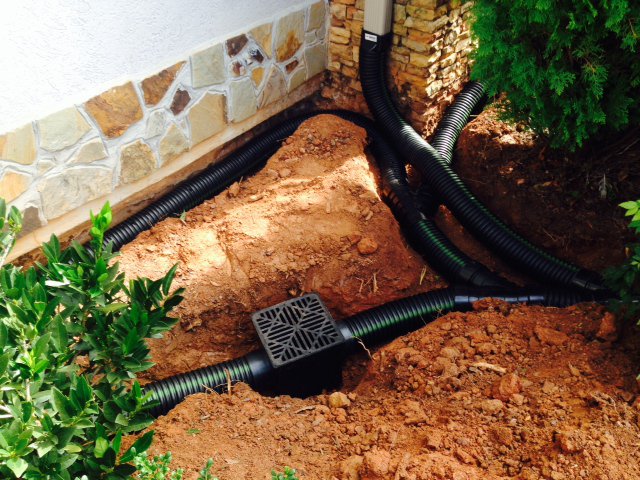
Downspout ties use thicker solid material at high-volume points to stop roof water from saturating the foundation wall. I add accessible clean-outs so future service is fast, not a full dig.
Before final cover, I run a gallons test to verify flow and confirm the discharge sends water away from the house and problem spots.
- Installation sequence: excavate, set grade, place product, backfill, test, and cover.
- Pro-grade note: use thicker armor-style solid runs at downspouts and exits; 4-inch diameter is common.
- Will you redo this? Proper materials and access points cut repair time and keep the system working through spring rains and beyond.
Call (678) 389-9544 or email carter@drainagefirst.com to get a same-day written estimate and a system built to last.
Conclusion
My simple answer: capture water, convey it with the right pipe, and discharge it safely so soils near the foundation stay dry.
Effective systems use durable materials, correct slope, clean-outs, and smart fittings. That approach cuts clogs, lowers maintenance, and stops repeat failures after heavy rain.
Top takeaways: diagnose where water comes from, choose the right route and product, and install with slope and protected backfill so the system works long-term.
Where does your water go when it leaves the roof, and does it end up at the foundation or a safe exit?
If you want an owner-led plan and a same-day written estimate across Metro Atlanta, call Drainage First at (678) 389-9544 or email carter@drainagefirst.com.