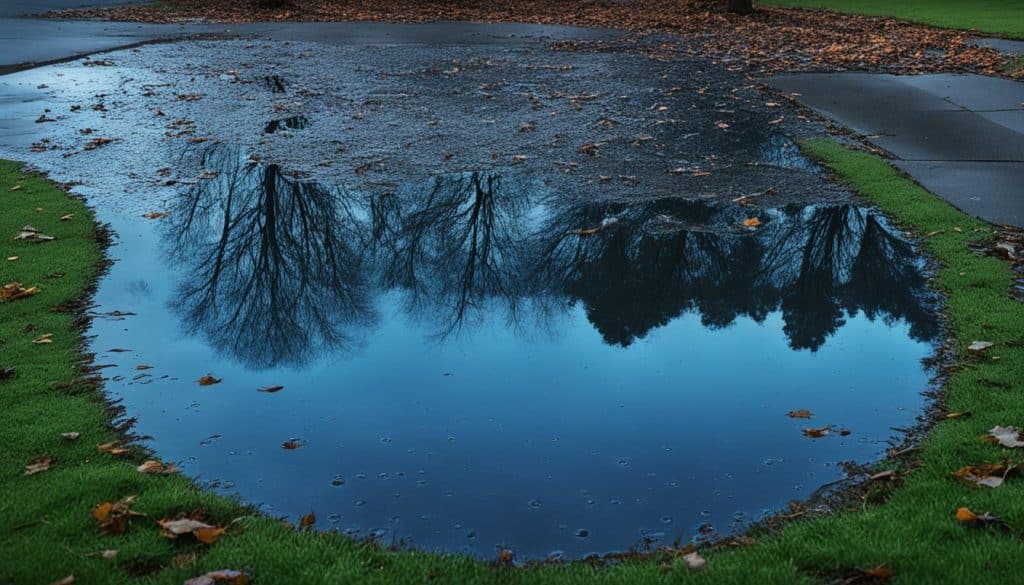
Can a simple gravel trench stop repeated water at your foundation and save you from costly indoor fixes? Or been thinking how to install a french drain?
I’m the owner of Drainage First, serving Metro Atlanta for over 20 years. I’ll explain why a french drain often beats interior work for recurring yard and basement issues. This short guide shows real steps that work for Atlanta yards, foundation lines, and wet spots.
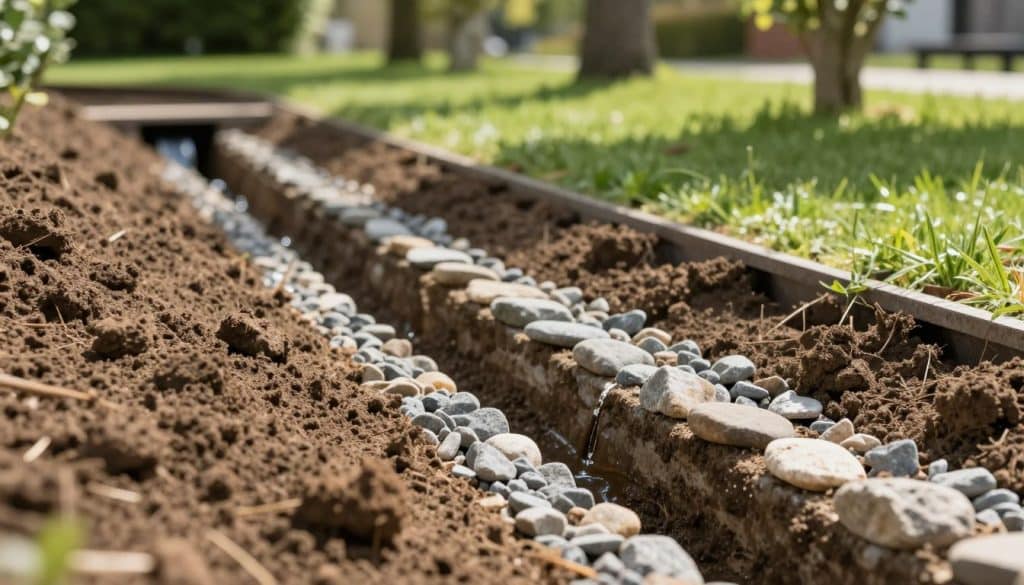
A french drain is a gravel-filled trench with a perforated pipe that redirects surface and groundwater to a daylight outlet or dry well. I’ll frame the reason behind each step so you see how the system moves water, not just how to dig and backfill.
Expect a practical DIY roadmap, plus clear signals when it’s smarter to call a local pro. If you want fast, personal help and a same-day written estimate, call (678) 389-9544 or email carter@drainagefirst.com.
Key Takeaways
- French drains redirect water away from problem areas with a simple trench and pipe.
- Exterior drainage and grading solve most common home water problems.
- Follow clear steps for reliable flow and fewer clogs.
- Know the limits of DIY and when to call Drainage First for expert help.
- We offer fast, personal service and a written estimate the same day.
French Drain Basics for Home Drainage and Basement Water Protection
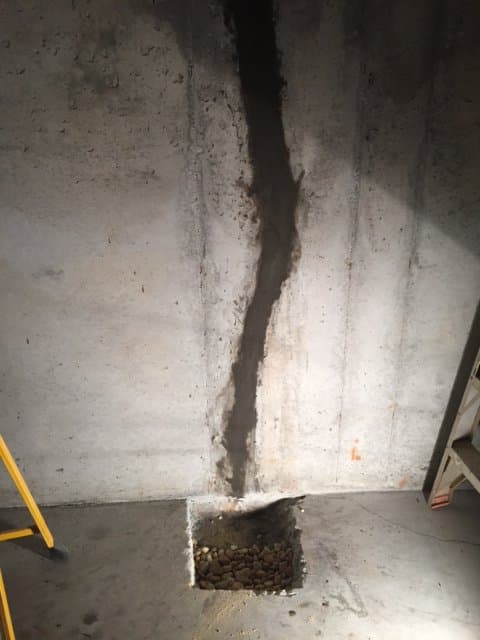
Most basement seepage stops once surface water finds a clear path away from the foundation. I focus on fixing the real cause: poor exterior drainage. That prevents musty smells and repeated indoor repairs.
What it is and names you may hear
In homeowner terms, this is a subsurface system that intercepts water before it hits your wall. In the U.S. people also call it a curtain drain, perimeter drain, weeping tile, or agricultural drain.
How it works with gravity and slope
Water moves into gravel, then into a perforated pipe and follows gravity down a steady slope. A consistent grade keeps flow steady and reduces clogs. The trench collects along its length, not at a single inlet.
Common problems it solves
- Repeated wet spots near foundations and basements
- Soggy yards and patio pooling
- Surface runoff that soaks landscaping
I offer practical advice and local expert perspective: simpler exterior fixes usually outperform disruptive interior options.
Planning Your French Drain Layout: Location, Slope, Soil, and Discharge Point
Start by mapping where standing water collects after heavy rain; the right line makes the system work. I look for persistent pooling near the foundation, low spots in the yard, and where runoff hits patios or walkways.
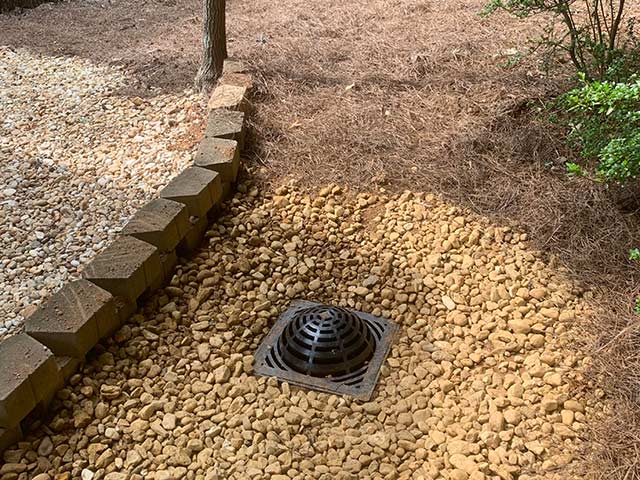
Location and start/end points: Mark a clear start at the wet area and an end at the safest discharge point. A daylight outlet, dry well, or a safe runoff route keeps water away from the home and neighbors.
Slope and depth: Aim for at least a 1% slope per 100 feet; use 2% where corrugated pipe is used. Typical trench depth runs from 8 inches up to 2 feet depending on the problem and soil.
- Trench sizing: Wide enough for gravel and pipe, but not deeper than needed for effective interception.
- Soil considerations: Atlanta clay holds water and chips can clog systems. Fabric wrap helps filter fine soil.
- Before digging: Call for utility marking, check local codes, and plan routes that won’t flood a neighbor’s yard.
I design each layout with local grading realities in mind and always confirm that the discharge point is code-aware and practical.
Tools and Materials for Installing French Drains
The right mix of pipe, stone, and fabric decides whether the system works long term.
Core tools: marking flags, shovel or trencher rental, level/string line, wheelbarrow, and couplers. These are what you use every day on a run.
Pipe choices and size
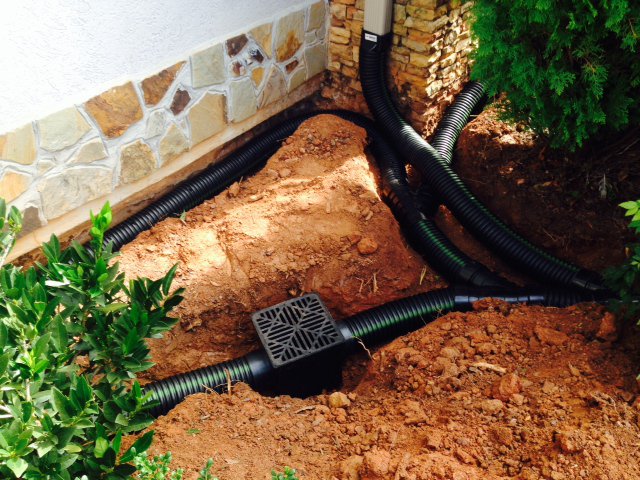
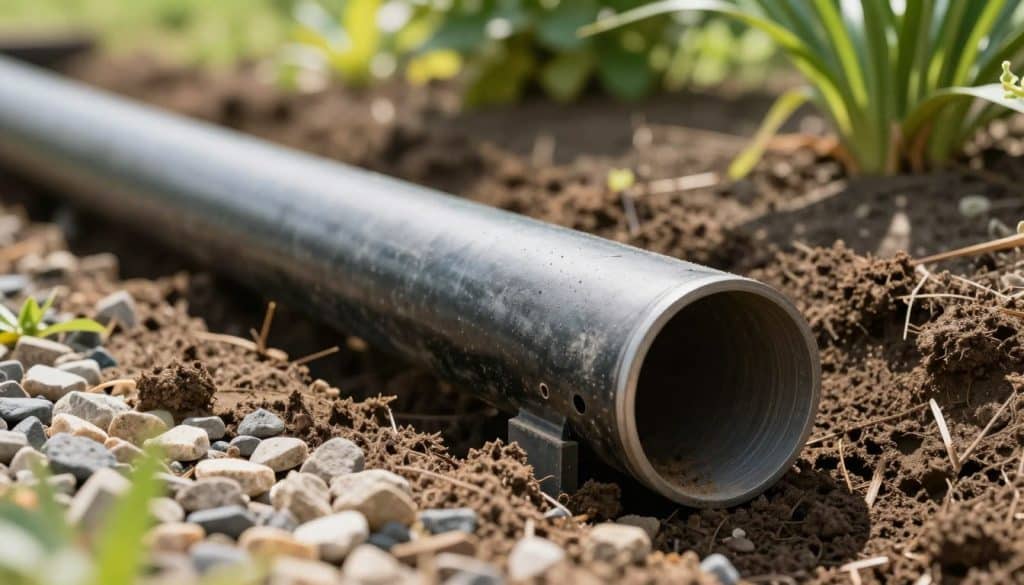
Perforated corrugated pipe bends easily and saves time on turns. Perforated PVC is stiffer and resists crushing. For most yards a 4-inch drain pipe is adequate; upsize only for heavy runoff or long runs.
Gravel, aggregate, and filtration
Use clean, angular gravel or crushed stone for good flow. Mixed or dirty fill clogs voids and shortens life. A layer of coarse aggregate under and over the pipe keeps water moving.
Fabric wrap and cost expectations
Landscape fabric makes a “burrito” that keeps fine clay out of the gravel. That reduces maintenance in Atlanta soils.
- Material drivers: pipe, aggregate, fabric, couplers, and rentals.
- DIY cuts labor cost; pros charge roughly $20–$30 per foot depending on site.
- Buy quality where it counts—long-term performance beats short-term savings.
If you want same-day written estimates and practical expert advice, call Drainage First at (678) 389-9544 or email carter@drainagefirst.com.
How to Install a French Drain: Step-by-Step DIY Guide
A clear, consistent grade keeps water moving and prevents rework. I set a reliable downhill line first, then follow measured steps so the system performs for years.
- Mark and confirm slope: Run stakes and a tight string from start to outlet. Verify a steady downhill grade before you dig trench.
- Dig and shape the trench: Dig across the slope as needed. Keep trench width steady and form a smooth bottom so the bottom trench grade never traps flow.
- Line and base layer: Lay landscape fabric with extra on both sides. Add a starter layer of clean gravel or aggregate to protect the fabric and form a stable base.
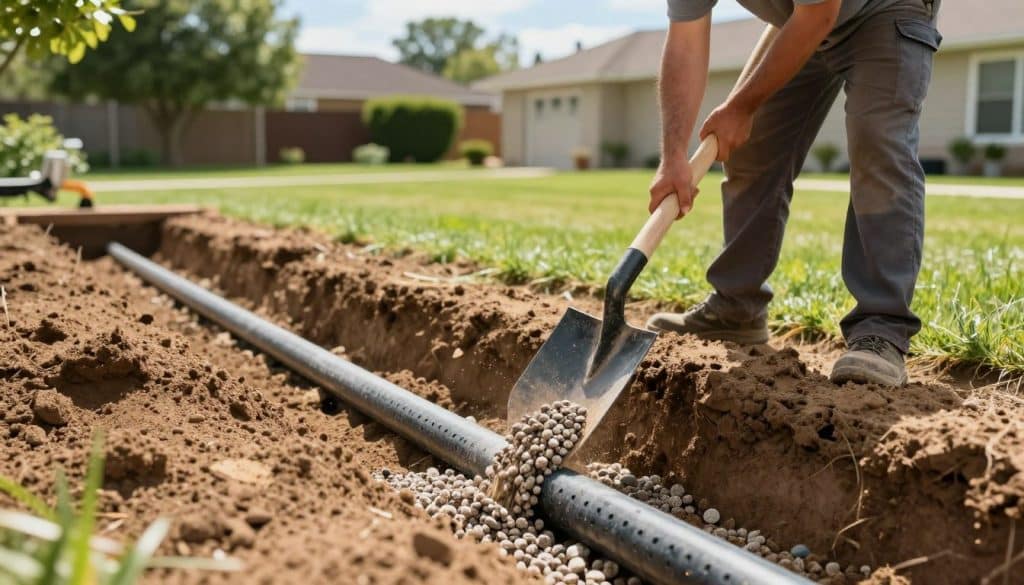
- Set pipe correctly: Place perforated pipe at the base with the holes facing down or as recommended for your product. Join sections tightly so the drain pipe stays secure.
- Cover and wrap: Fully cover the pipe with gravel, then fold fabric over the stone like a burrito. This wrap blocks soil fines and extends system life.
- Backfill and restore: Add topsoil, replace sod, and tie the landscape into the yard so you don’t wash sediment into the trench.
- Test flow: Run water through the trench and watch it reach the outlet. Good performance shows steady flow without pooling or slow spots.
I recommend these steps for any DIY attempt, but if you want me to plan the layout, grade, and discharge correctly from day one, call Drainage First at (678) 389-9544 or email carter@drainagefirst.com.
Conclusion
Summary, a well-planned gravel trench gives water a clear escape so your foundation and yard stop soaking.
Keep the goal simple: give water a controlled path away from your home. Follow this guide: plan the outlet first, keep a steady slope, use clean stone, and wrap the stone with filtration fabric.
I’ll help when grading or discharge options make the run complex. Homeowners can handle short runs. Call an expert if the outlet is limited or the grade works against you.
Drainage First is locally owned with 20+ years serving Metro Atlanta. We handle calls ourselves and often provide same-day written estimates. For fast, hands-on advice, call (678) 389-9544 or email carter@drainagefirst.com.