Can one simple fix stop water from pooling and threatening your foundation? Or how to install a catch basin?
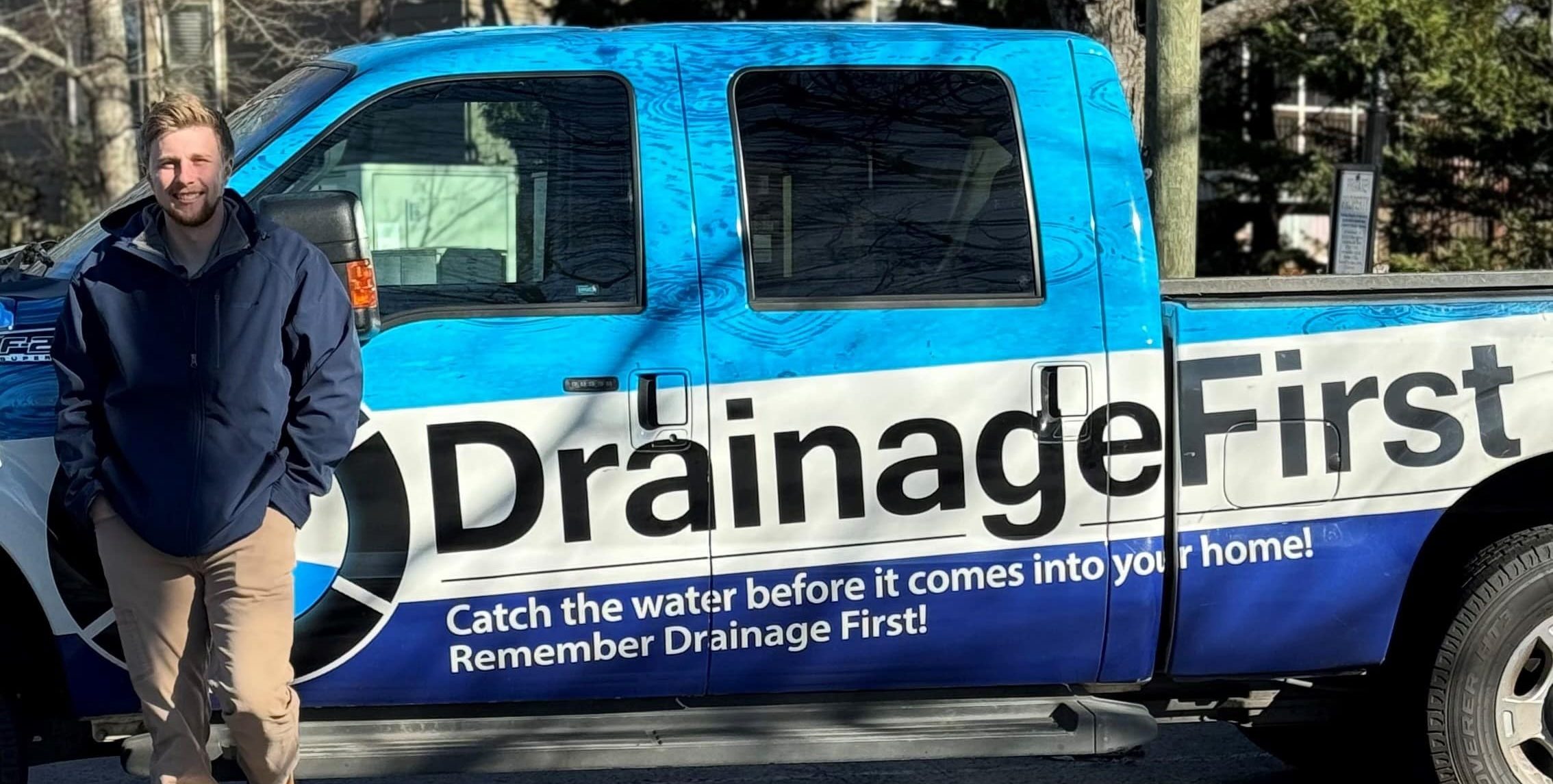
I’m the owner of Drainage First, a locally owned Metro Atlanta team with 20+ years in the field. I focus on fixing the real issue: exterior grading and surface drainage rather than pushing disruptive interior systems.
In plain terms, a yard catch basin collects rain and snowmelt and routes it through underground pipe to a safer discharge point. This prevents standing water that can seep toward your foundation and cause structural damage.
We handle calls personally. Call (678) 389-9544 or email carter@drainagefirst.com for fast, local help. I can usually provide a written estimate the same day.
Below I’ll walk through choosing the low point, checking slope and invert elevation, digging, gravel setting, pipe connection, sealing joints, and testing flow. Call us when water reaches a basement, the outlet path is unclear, or the property needs grading.
Key Takeaways
- Drainage First offers practical exterior solutions with personal service.
- A catch basin collects surface water and moves it away from your home.
- Proper slope and sealed outlets make the system work long-term.
- Metro Atlanta conditions often require targeted grading and drainage fixes.
- Call (678) 389-9544 or carter@drainagefirst.com for same-day estimates.
What a Catch Basin Does for Yard Drainage and Flooding Prevention
Standing puddles in your yard are more than an annoyance; they warn of bigger problems beneath the surface. I look for simple signs that show when an engineered solution is needed.
- Recurring puddles in low spots or muddy areas that never dry.
- Pooling near downspouts or at the bottom of driveways after rain.
- Soggy soil that invites erosion or landscape washout.
Why this matters: When standing water sits near a foundation, it can migrate inward and cause leaks, settlement, or costly structural damage. In Metro Atlanta, heavy storms make these risks more common.

How the system moves excess water
A grate catches surface runoff and lets the basin hold it briefly. Then pipes carry that water away to a legal discharge point—storm tie-ins, a pop-up emitter, or another approved outlet.
Performance check: Proper slope and a clear outlet keep the system draining quickly. Poor slope or a small outlet leads to slow drains and repeat flooding.
If you see flooding near the house or repeated backups, call me at (678) 389-9544. I’ll evaluate the whole drainage picture and recommend a practical fix for your property in the Metro Atlanta area.
Planning the Best Location, Slope, and Outlet for Your Drainage System
Picking the right spot makes the whole drainage system work better and last longer. Good planning keeps repair costs down and avoids messy rework after trenching.
Find the natural low point first
Observe during heavy rain to see where water pools on the area or driveway. Mark that point; it’s usually the best place for the basin.
Check slope and invert elevation
The outgoing pipe must flow downhill from the basin. I explain invert elevation as the basin bottom height where the pipe leaves. Make sure the outlet sits lower than the inlet so water moves by gravity.
Plan the top, trench, and finish grade
Set the grate level with the ground or slightly below so people don’t trip and water can enter. Typical trench depth is about 18 inches with a steady decline and room for drainage pipes and gravel backfill.
Safety and real-world limits
- Call before you dig: locate utilities near the house.
- Dry-fit the route, keep turns minimal, and plan for clean transitions at driveways and beds.
- If planning feels uncertain, I offer an owner-led, written estimate the same day for Metro Atlanta homes—measure twice, dig once.
Tools and Materials You’ll Need Before You Install Catch Basin Components
Staging materials and tools ahead prevents mid-dig surprises and collapsing trenches. I give a clear checklist so you can set everything in place before cutting into the lawn.
- Catch basin box and correctly sized grate for surface flow.
- PVC pipes (2–3″ typical) and matching fittings.
- PVC glue and silicone caulk for watertight connections.
- Gravel for the base, plus soil for final landscape repair.
Essential tools and safety:
- Trenching shovel and digging shovel for clean walls and spoil removal.
- Marking supplies (spray paint, stakes, string) for accurate layout.
- Work gloves and safety goggles when cutting pipe or working near roots.
Pro tips I use in the field: Dry-fit every pipe and fitting at the basin port before digging deep. That quick check helps avoid returns and rework. If you’d rather not source parts, we supply materials and can handle the work, and I offer a written estimate the same day for Metro Atlanta properties.

How to Install a Catch Basin Step by Step
Begin on dry ground: mark the low spot, sketch the pipe run, and confirm an exit that stays downhill from the house. Good layout prevents future repairs and keeps excess water away from foundations.
Excavate the hole and trench. Dig the basin hole, then go 6–12 inches deeper than the box so you can build a compacted gravel base. The trench should be roughly 8 inches wide and about 18 inches deep, sloping steadily toward the discharge location.
Drill several small weep holes in the basin bottom so standing water drains into the sump and sediments settle less. Place 4–6 inches of gravel and set the basin so the top is flush and level with the surrounding ground.
- Dry-fit inlet and outlet fittings, then seal connections. Use silicone caulk or supplied gaskets for a watertight joint.
- Assemble pipes in sequence, dry-check slope, then glue PVC joints. Keep the line true to avoid bellies that trap debris.
- Backfill in lifts, compact each layer, restore soil and landscape grade, and install the grate so it sits secure and level.
Final checks: make sure slope is continuous, the outlet is open, and seals are tight before finishing. Test with water and watch flow.
If you’d rather have an owner-led installation in Metro Atlanta, call Drainage First at (678) 389-9544 or email carter@drainagefirst.com for a written estimate the same day.
Testing Water Flow and Fixing Slow Drains or Debris-Related Backups
A quick water test tells you far more about system performance than any visual inspection alone. I use a garden hose to run steady flow into the basin and watch what happens at the outlet.
Garden-hose test that reveals problems
Run water into the basin and note drawdown time. Good performance shows steady drop, no gurgling, and no leaks around pipe penetrations.
Common faults and simple checks
- Poor slope: A belly in the line causes slow drain and traps debris. Look along the trench line for sagging or standing water.
- Blocked pipes: Leaves, sediment, or construction soil can stop flow. If the outlet stays dry, probe the line or flush water directly into the pipe to locate the clog.
- Leaking connections: Water escaping at a joint means a reseat, added silicone, or re-glue may be required.
Start with visual checks and flushing. Clear surface debris and try re-seating suspect fittings before digging. If poor grade or stubborn blockages remain, rework the slope or cut out and re-glue the affected pipe section.
If the system still won’t drain or water heads back toward the house, call Drainage First for a fast, owner-led diagnosis in Metro Atlanta.
Catch Basin Maintenance to Prevent Clogs, Damage, and Repeat Flooding
A few minutes each season keeps drains flowing and yards dry. I recommend inspecting in spring and fall and after heavy storms.
Seasonal checklist: Lift and clean the grate, remove leaves, and shovel or vacuum sediment from the bottom before it hardens into sludge. Regular cleaning restores capacity and prevents standing water that invites damage.
Flush and confirm flow: Periodically run water through the drainage system after heavy weather. Flushing clears fine material from pipes and proves the outlet still discharges excess water from your property.
Keep debris out and avoid common DIY mistakes
- Install gutter guards where suitable and redirect downspouts away from the basin entry.
- Don’t undersize placement or miss slope in the pipe run; poor grade and bad joints cause repeat flooding.
- Compact the trench and backfill in lifts; settling breaks lines and invites soil intrusion.
When to call me: If sediment build-up, blocked pipes, or damage persist, Drainage First offers owner-led inspections and cleanup across Metro Atlanta and can provide a written estimate the same day.

Conclusion
A reliable finish ties every step together and keeps water moving off your property.
Choose the low point, plan the outlet, dig the trench with steady slope, set the catch basin on compacted gravel, connect and seal the pipe, and finish flush at the top with a secure grate. These basics make the drainage system work and stop standing water that invites damage.
Test with a hose before you cover the soil. Keep the grate clear, remove sediment, and flush after heavy storms so excess water keeps moving.
For Metro Atlanta service, call Drainage First at (678) 389-9544 or email carter@drainagefirst.com. We’re locally owned with 20+ years, hands-on work, and a written estimate the same day for smarter exterior solutions that often spare your home from disruptive interior repairs.