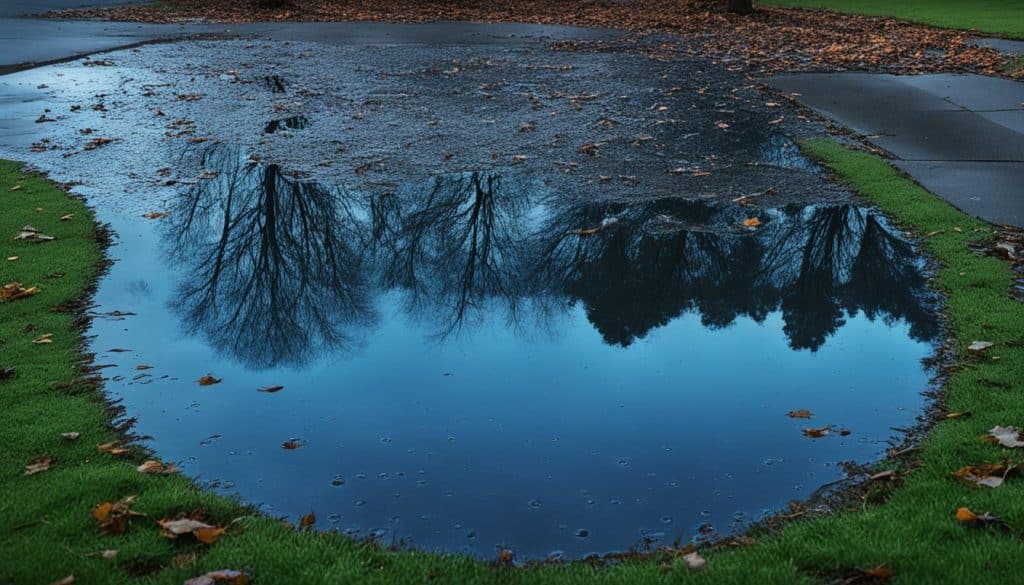
Curious how to repair foundation of house issues when many fixes fail and the same crack shows up again? I ask this because most damage starts with water and shifting soil, not the visible crack.
I’m the owner of Drainage First and I’ve served Metro Atlanta for over 20 years. I handle service calls personally and offer same-day written estimates and faster start times. My team and I use a drainage-first approach that often prevents costly structural work.
We match every repair to the actual cause. That means stopping water and soil movement so your home stays stable. I’ll show you clear signs to watch, how to document cracks, and when a problem needs professional attention.
Call (678) 389-9544 or email carter@drainagefirst.com for a direct, common-sense plan that often solves the real issue without disruptive interior systems.
Key Takeaways
- Many calls are drainage issues before they become structural problems.
- Stopping water and soil movement protects your foundation and home.
- Short-term patches often fail when the root cause remains.
- We provide same-day estimates and local, owner-handled service.
- Know when to monitor and when to get professionals involved.
Foundation repair basics for Metro Atlanta homeowners
Many Atlanta homeowners mistake surface cracks for the real problem—water-driven movement below grade. Basements, crawl spaces, and slabs fail in different ways. Basements show bowing or wet walls. Crawl spaces stay damp and smell musty. Slab issues often appear as settling or stair-step cracks.
Concrete is porous. Repeated water and moisture cause scaling, spalling, and gradual weakening. Groundwater and wet soil increase pressure on walls and keep crawl spaces saturated.
Cosmetic signs include hairline lines, small surface flakes, and minor shrinkage. Structural signs are movement, widening gaps, or bulging walls that threaten the structure. Document what you see and when it changed.
- Simple terms: hydrostatic pressure is water pushing on walls; settlement is the house shifting; expansive soils swell when wet.
- Common Atlanta scenarios: roof runoff at corners, negative grading, and saturated planting beds next to walls.
- Drainage First focuses first on grading and exterior drainage so fixes last and costly structural work is often avoided.
Signs of foundation problems to catch early
Early movement hides behind small flaws—catching it fast saves money and time.
I watch for clear visual signs that point to deeper issues. Look for new cracks near windows, corners, and where walls meet floors. Those spots show stress first and often after heavy rain.
Cracks near windows, corners, walls, and floors
Diagonal or widening cracks at window corners mean movement. Small hairlines that change direction deserve attention. Mark them and note any change over short periods.
Sloping floors, sticking doors, and growing gaps
Doors that suddenly stick, trim that separates, or floors that slope are interior clues. These signs often follow soil shift or water pooling outside.
Bulging walls and other red-flag warnings
Stop and call if walls bulge, cracks grow fast after storms, or you see sudden large changes. Those are urgent signs of serious damage that may need foundation repair.
- Monitor: hairline cracks, minor trim gaps.
- Act sooner: widening cracks, sticking doors, floor slope.
- Call now: bulging walls or rapid post-storm changes.
I recommend documenting every sign. That record helps us diagnose and pick the right fix instead of guessing.
How to inspect foundation cracks and document changes over time
A clear inspection routine helps you know when a crack is stable or getting worse. I’ll show a simple process you can repeat after storms, seasonal checks, or any sign of moisture.
Marking ends and dating them
Use a pencil to mark each crack end and write the date. Check again after a set time. I recommend notes at 30, 90, and 180 days or after heavy rain.
Measuring width and direction
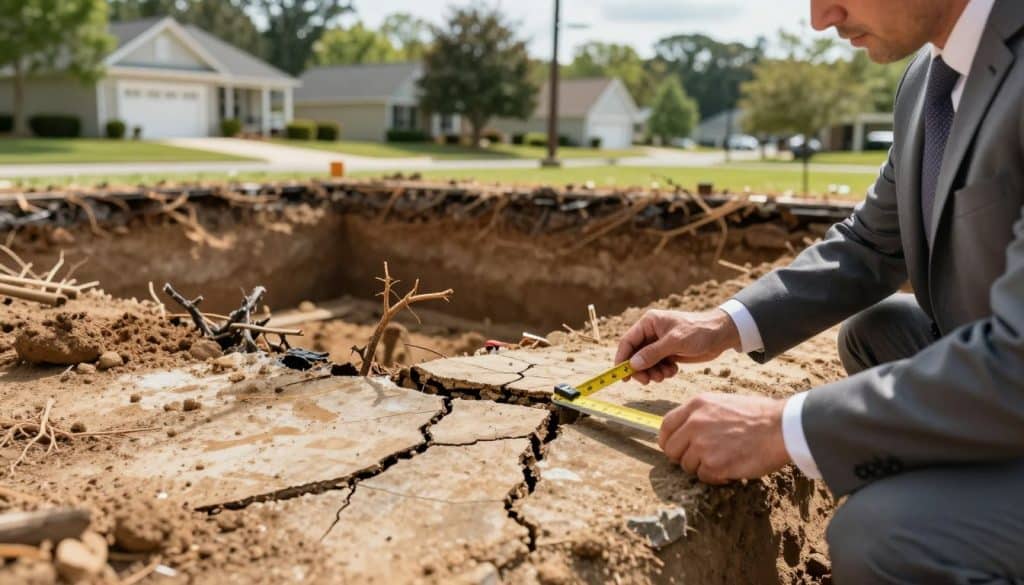
Measure width and length with a ruler. Photograph the crack with the ruler in-frame. Note any direction changes; that often means movement rather than simple shrinkage.
Notes after heavy rain or recurring water
- Document: new seepage lines, wet spots, efflorescence, and where water enters.
- Link exterior clues: overflowing gutters, short downspouts, and low grading.
- Don’t: grind, chisel, or seal before diagnosing movement and water paths.
Careful records help us diagnose issues and give a same-day written estimate when you call Drainage First. I use your notes to turn observations into a clear plan and timely action.
Common foundation crack types and what they mean
Different crack patterns tell a quick story about pressure and movement beneath your walls.
Vertical and diagonal shrinkage cracks
These are the most common. They form as concrete cures and the ground settles.
Most stay under 1/8 inch. If they remain thin and unchanged, they are often cosmetic.
When a vertical crack signals a bigger issue
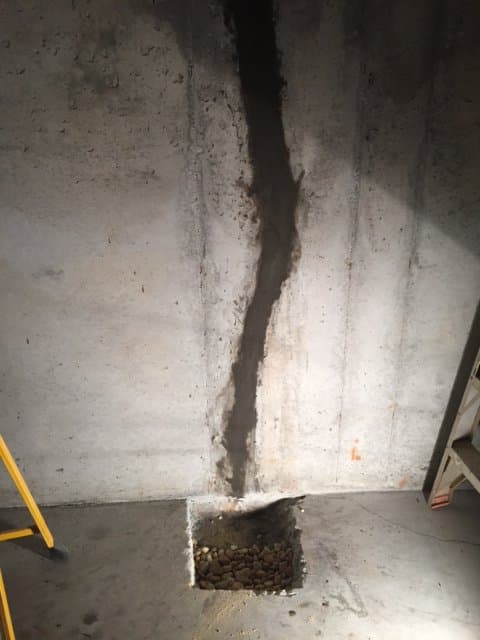
Watch vertical lines near corners. Wider than 1/8 inch or growing marks ongoing movement.
If you see widening, contacting a pro is wise. I use measurements and photos to decide next steps.
Horizontal cracks and hydrostatic pressure
Horizontal cracks usually mean walls face lateral pressure from saturated soil. That raises the risk quickly.
Addressing water and drainage outside is often the first practical step before structural work.
Block versus poured concrete patterns
Block walls crack at mortar joints and along blocks. Poured walls show continuous lines through the slab or wall face.
- Block lines let water follow joints.
- Poured cracks can track settling or pressure across a larger area.
What causes foundation issues in Atlanta homes
Water left near walls is the single biggest trigger I see in Atlanta calls. Poor exterior drainage and low grading let runoff sit next to the foundation. That keeps soil wet and raises pressure on walls.
Poor drainage and grading
Gutters, short downspouts, and low spots send roof water toward the house. Over time that pooling undermines soil and leads to settling that shows as cracks.
Soil movement and settling
Moisture-sensitive soil expands when wet and shrinks when dry. That cycle shifts footings and can drive misalignment and gaps under slabs and walls.
Plumbing leaks and persistent groundwater
Slow leaks are stealthy. They keep soil saturated and mimic mystery foundation problems long before a visible crack appears.
Concrete scaling, freeze-thaw, and salts
Scaling or spalling is surface flaking from prolonged moisture exposure. Concrete that soaks up water will crumble faster, and freeze-thaw cycles or de-icing salts can worsen the pitting.
- Primary point: control surface water first.
- Next: diagnose plumbing and groundwater.
- Then: repair materials and stabilize if needed.
When we evaluate causes, we follow a simple decision tree: drainage fixes first, then sealing or structural work if movement continues. That approach keeps foundation repair focused and long-lasting.
How to repair foundation of house based on the problem you find
When you match the fix to the true cause, most cracks stop coming back. I start every job by confirming whether water or soil movement is driving the issue. That determines the least invasive and longest-lasting solution.
When a DIY patch is reasonable vs when to call professionals
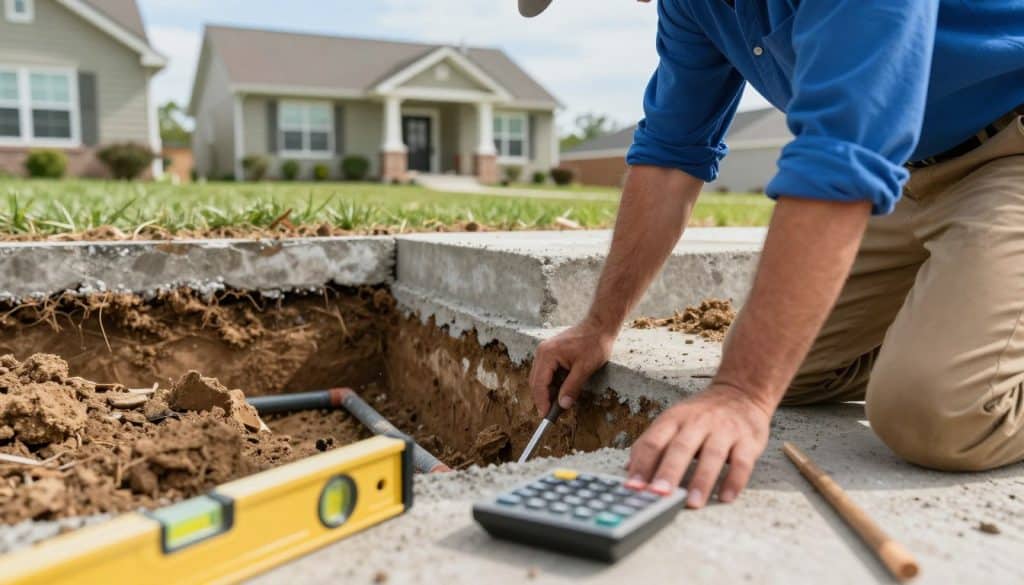
Do-it-yourself patches work for stable, hairline cracks and small surface spalls. If cracks are wider, horizontal, or changing after storms, call professionals.
Small concrete spalls and crumbling spots
Clean loose material, remove rust, and use a bonding primer. Proper prep matters more than product brand. A small patch can last if water and movement are controlled.
Epoxy injection and sealing
Professional-grade epoxy injection seals water paths and bonds concrete so the wall regains strength. It is best for narrow cracks with evidence of movement but not full structural collapse.
Why some common patches fail
V-groove cuts and hydraulic cement often fail because they don’t bond through recurring moisture or temperature shifts. Surface-only fixes reopen when the underlying pressure remains.
Structural stabilization options
- Concrete piers: transfer load to stable soil beneath unstable fill.
- Steel systems: brace walls and resist lateral pressure.
- Combined approaches when soils, water, and load all contribute.
My process at Drainage First is simple: identify the problem, confirm drainage conditions, then recommend the least disruptive method that lasts. Fix the cause first, then apply the appropriate repair method.
Step-by-step: repairing minor concrete crumbling and surface damage
Small surface crumbles can be fixed correctly with steady prep and the right sequence. I’ll walk you through a clear process so that minor damage stays minor and your patch lasts.
Remove loose concrete, dust, and rust on exposed rebar
Start by knocking out loose pieces and brushing away dust. If rebar shows, remove rust and expose clean metal so the new work bonds.
Clean, dry, then dampen the surface for proper bonding
Wash the area, then let it dry about 24 hours. Just before applying patch material, dampen the surface — don’t soak it — for better adhesion.
Apply cement paint or adhesive primer for adhesion
Use a cement-based paint or an adhesive primer. This step helps the new material grab the old concrete and reduces popping later.
Patch, smooth, cure, and protect the repair from sun, wind, and rain
- Pack patching compound in layers for deep voids, placing saved pieces for internal support.
- Smooth and shape, then cover with plastic and mist daily while curing for a couple days.
- Protect from sun, wind, rain, and frost during initial cure time.
Limits: This method works for non-structural surface repairs. If you see ongoing water intrusion or active movement, surface repairs will not last until exterior drainage is fixed. Call us if you suspect deeper issues.
Fix the root cause: exterior drainage solutions that protect your foundation
Directing stormwater away from vulnerable soil is the most effective long-term step. I focus on practical exterior work that stops water before it reaches walls and slabs.
Grading that moves water away foundation walls
Proper slope sends runoff away and prevents pooling. I recommend at least a 5% slope for the first several feet. That keeps soil drier and reduces ground movement around structural elements.
Downspout extensions and gutter improvements
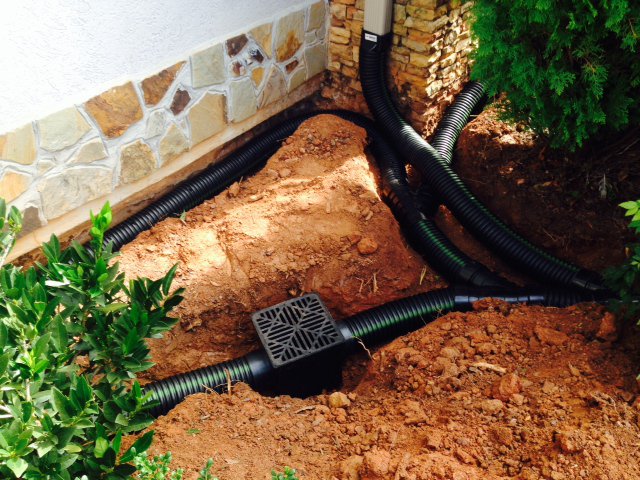
Roof runoff is a fast route for water toward a home. Long downspout extensions, cleaned gutters, and splash blocks keep water flowing away foundation lines. These are low-cost steps with big impact.
French drains, drain tile, and targeted drainage systems
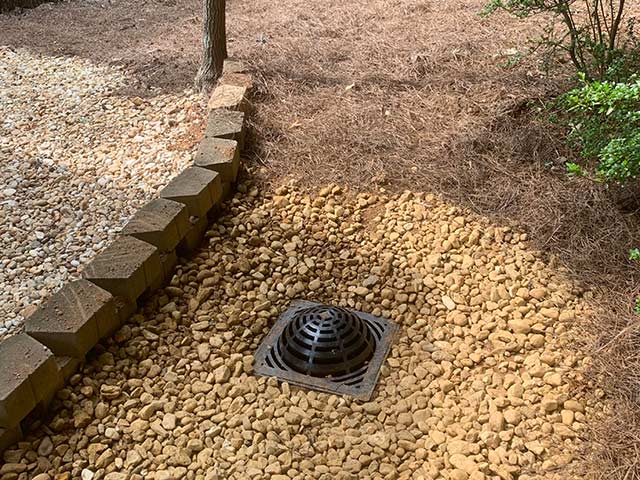
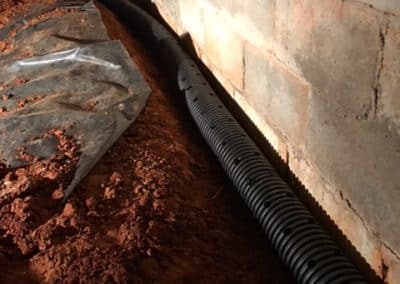
For persistently wet areas we install French drains or drain tile that intercept water and move it to a safe discharge point. These systems work where grading alone won’t solve wet spots.
Lowering hydrostatic pressure and basement water problems
Better exterior drainage cuts groundwater buildup and the pressure that forces water through cracks. In many cases, this method prevents interior systems and is the best foundation repair mindset for long-term results.
- Why we start outside: control water first, then consider other fixes.
- Practical solutions: grading, gutters, drain tile, and targeted systems for wet areas.
- Our goal: durable results with less interior disruption and fair cost.
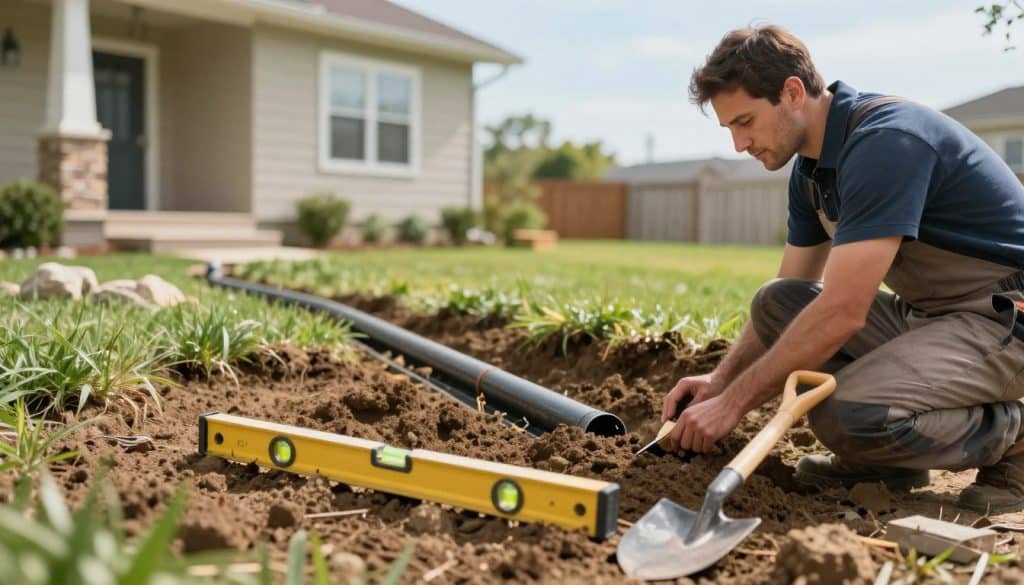
What to expect when you hire Drainage First in Metro Atlanta, Georgia
When you call us, expect direct answers and a clear plan on the first visit. I handle most service calls myself and bring decades of local experience. We explain steps plainly and give a written estimate the same day.
Locally owned and operated for over 20 years with hands-on service
I’m on-site for inspections and I’ll walk the property with you. That means you talk with the people who will evaluate and solve the problem, not a scheduler.
Same-day written estimates and faster start times
Quick, clear pricing helps homeowners move faster. We prioritize jobs that need immediate drainage solutions and aim for faster start times than high-volume firms.
Service area, scheduling, and contact
We serve Metro Atlanta and nearby areas. Bring photos, crack notes, and any leak history when we arrive. That speeds our process and improves accuracy.
- We explain grading, runoff, wet zones, and foundation symptoms during the on-site inspection.
- We focus on exterior solutions that often prevent costly structural repair.
- Call for scheduling or immediate help: (678) 389-9544 | carter@drainagefirst.com
Conclusion
Real longevity comes from matching the right method to the real cause—usually water and shifting soil.
Address moisture and drainage first, then pick the least invasive repair that fits the problem. Watch signs and document cracks over time. That habit helps you tell settling from active movement.
Act quickly for horizontal cracking, bulging walls, or fast changes after storms. Monitor minor hairlines responsibly while you plan practical exterior solutions that protect the whole house.
Drainage First offers local, hands-on service, cost-effective grading and drainage solutions, and a same-day written estimate when possible. Call (678) 389-9544 or email carter@drainagefirst.com.