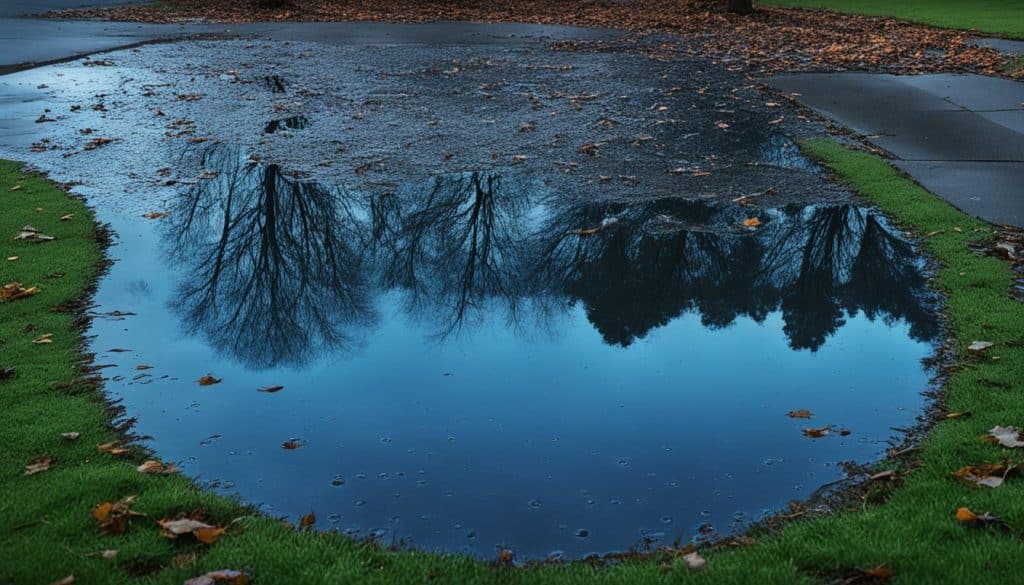
Curious whether one quick fix can stop that basement leak for good? I get that question a lot. Homeowners type “who installs french drain” into Google hoping for a simple answer. The real answer depends on where the water starts and where it must go.
I run Drainage First, a locally owned Metro Atlanta company with more than 20 years of experience. I come out, we inspect the property together, and you get a written estimate the same day. That hands-on model keeps projects clear and cost-effective.
In Atlanta, heavy storms, clay soil, and sloped lots make small runoff turn into big foundation risk fast. My approach is exterior-first. In many cases I stop water before it reaches the home by correcting grading and surface flow. That is often smarter and less disruptive than interior systems.
Costs vary widely, from small fixes to major work. If you need a quick site visit, call (678) 389-9544 or email carter@drainagefirst.com.
Key Takeaways
- Find the right installer by tracing where the water is coming from and where it must go.
- Drainage First offers fast, personal service and same-day written estimates.
- An exterior-first solution often prevents basement water problems with less cost and disruption.
- Atlanta’s soil and storms demand experienced planning for slope and clog prevention.
- Project costs range widely; a site visit clarifies scope and timeline.
- For a site visit in Metro Atlanta, call (678) 389-9544 or email carter@drainagefirst.com.
What a French drain is and when your home needs one
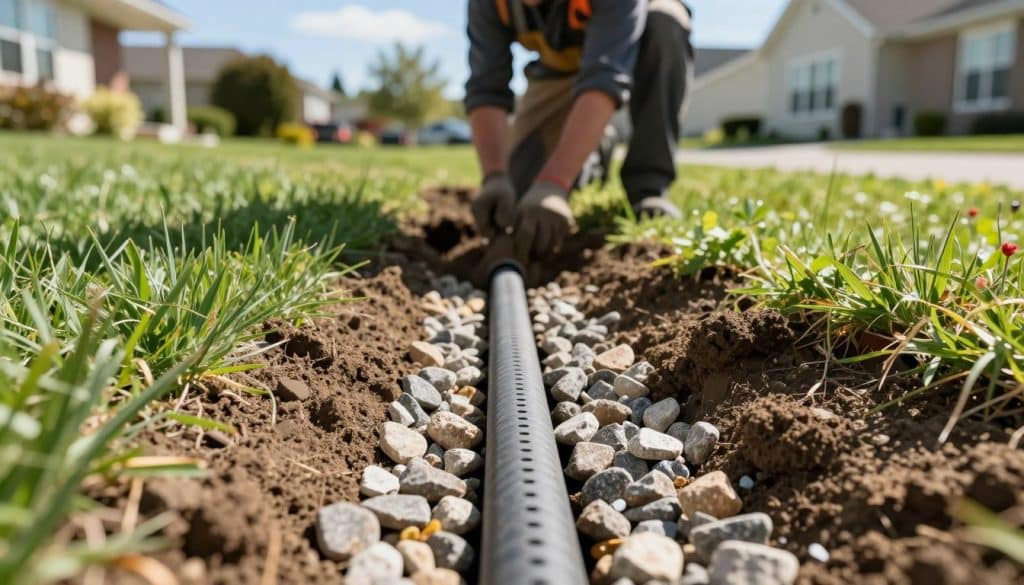
A gravel-filled trench with a perforated pipe quietly redirects groundwater and surface water away from problem spots. I explain this in plain terms so homeowners in Metro Atlanta know when action is needed.
How the system moves water away
Surface water and shallow groundwater filter through stone and into a perforated pipe. Gravity carries that water along the run to a safe discharge point. Landscaping fabric keeps soil out while letting water pass.
Common warning signs in this area
- Soggy yard that never dries
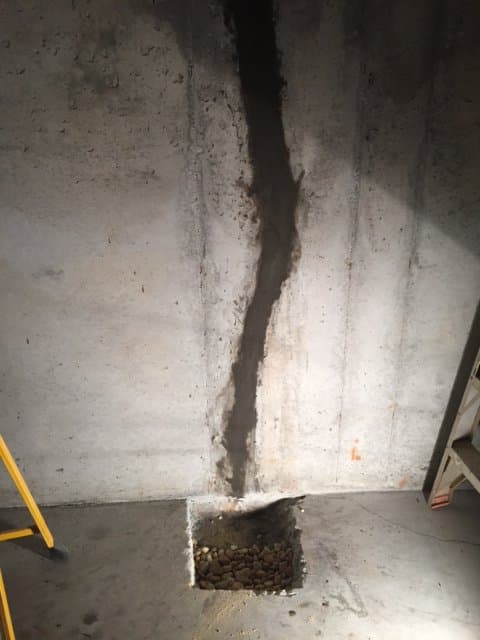
- Standing water after storms and repeat basement seepage
- New or widening foundation cracks near wet spots
Simple comparisons you can use
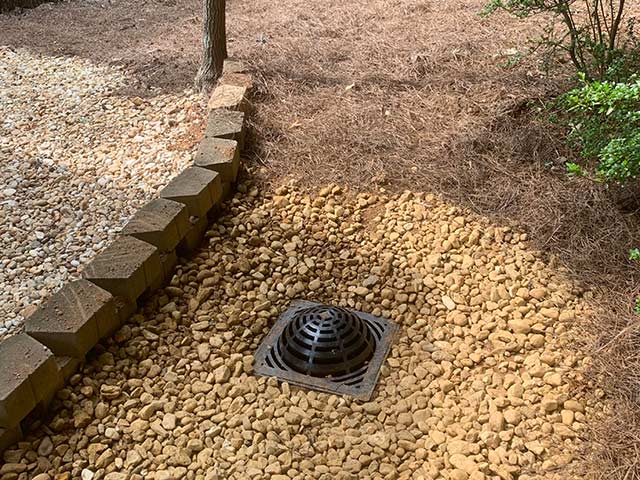
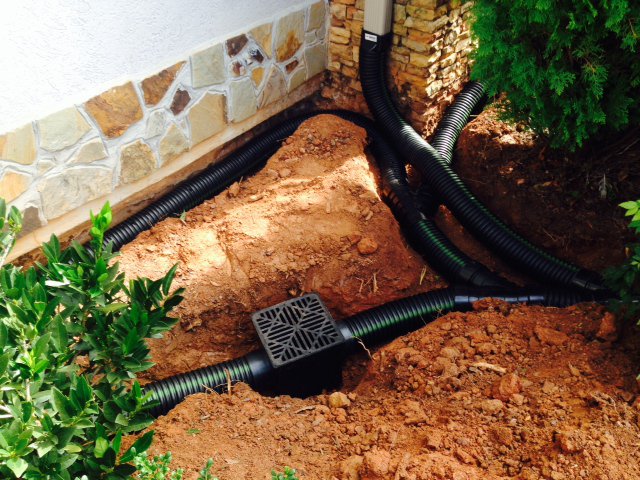
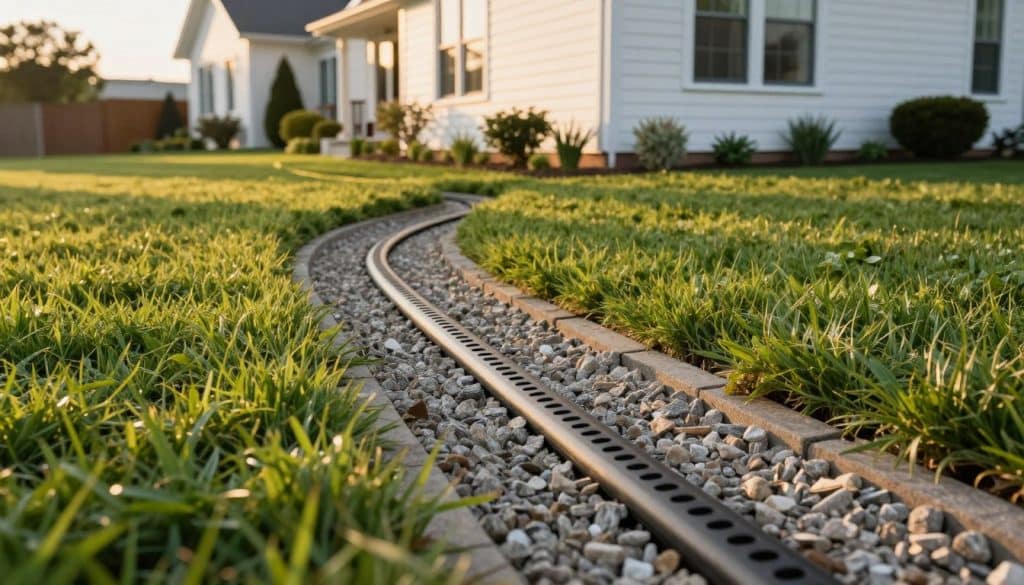
A trench drain is a surface channel that collects at an opening. A buried downspout line is a solid pipe routing roof runoff to an exit. A true french drain takes on subsurface flow along its whole length.
Decision rule: If the yard is wet, the basement is damp, and water has no clear path away, schedule a full property drainage assessment.
Who installs french drain and how to choose the right pro
Picking the right pro matters—different contractors bring different skills to the job. I break down the main options so you know who to call for your Atlanta property.
Drainage specialists and dedicated companies
Dedicated drainage teams focus on whole-property solutions. We evaluate slope, soil, downspouts, and exits. That holistic view avoids piecemeal fixes and reduces future repair risk.
Landscapers
Good landscapers handle yard grading, concealment, and how the system blends into planting beds. Choose them when the issue is mostly surface flow and aesthetic integration.
Foundation and waterproofing pros
Call foundation experts for below-grade problems, persistent basement water, or visible movement. Their work protects structure, not just turf.
Plumbers
Plumbers help with pipe layout, gravity flows, and legal tie-ins. Use them when the job requires complex connections or sump pump integration.
- Key screening questions: Where will water exit? How is slope confirmed? What materials are specified? What is the restoration plan?
- Soil knowledge is non-negotiable—clay and compaction change material choices and long-term performance.
- When multiple areas flood, hire a drainage-focused team that plans one coordinated solution.
Picking the right solution: exterior drainage first vs. interior systems
Most jobs begin with grading and downspout fixes to keep water away from the house. I believe in an exterior-first approach because it often prevents more invasive work inside the basement.
Exterior options that protect the foundation
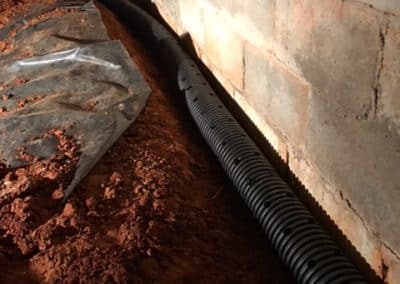
An exterior French drain intercepts groundwater before it reaches the foundation. It redirects water down a controlled path so the soil around the footing stays drier.
When interior systems are appropriate
An interior French drain manages water already inside and is commonly paired with a sump pump. I recommend this when below-slab seepage or a finished basement is at risk.
Sump pump vs. gravity drainage
A sump and pump solve many problems but add cost and maintenance. A pump can run $1,200–$2,500. When the property allows, I prefer gravity drainage to move water away without mechanical parts.
Simple fixes that often solve the problem
Many emergencies are avoidable. Redirecting downspout discharge, regrading negative slopes, and keeping runoff moving across the yard often reduce load enough to skip an interior system.
- Plain difference: exterior systems keep water out; interior systems move water that’s inside.
- Our path: inspect outside first, correct grading and discharge, then consider interior work only if needed.
- Goal: move water away reliably in heavy rain without creating new wet spots.
How French drain installation works on a typical project
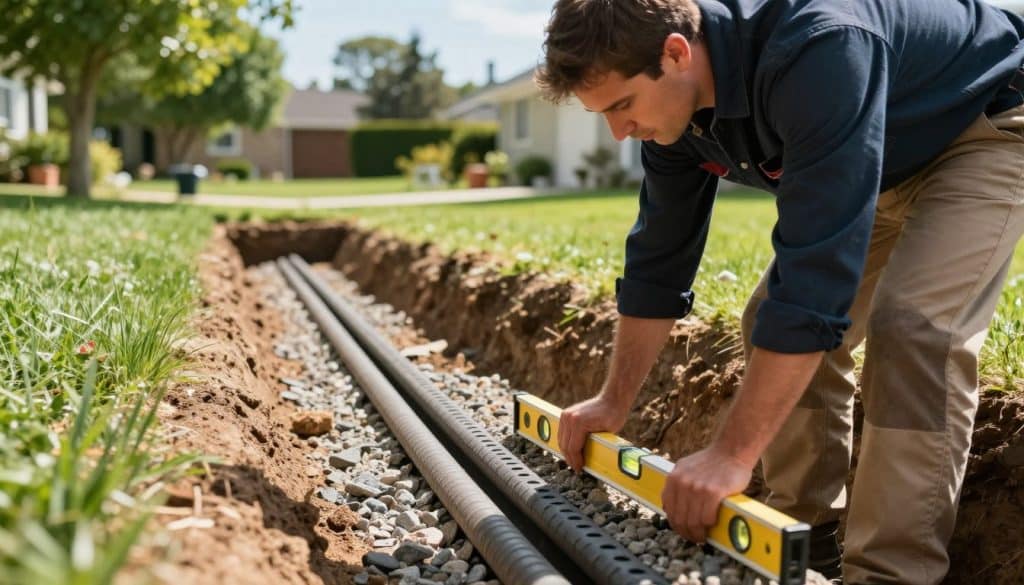
A typical project begins with a short site walk and a clear plan that pins down low spots and an exit route. I meet you, confirm slope, and show where water must leave the property.
Consultation and site plan
We locate low areas, identify a discharge point, and lock in slope. That plan determines trench depth and the materials we specify.
Utility marking and prep
Before we dig trench we call 811 for utility marking. This keeps the installation safe and avoids surprises that delay work.
Trench build and pipe placement
Typical trench depth is about 18 inches depending on design. We line with landscape fabric, add drainage stone, lay the perforated pipe, then cover with more stone.
Backfill, lawn restoration, and finish
After the stone we backfill with clean soil and restore the lawn so the yard looks finished. I provide a same-day written estimate and schedule projects quickly to minimize wait time.
Common mistakes that cause failure
- Poor slope or a drain without a proper exit — water stays instead of moving.
- Skipping fabric or using too little stone — clogs and collapse follow.
- Reusing excavated soil on top of the trench — that blocks flow and shortens system life.
Most residential drain installation projects take days, not weeks, depending on length and restoration. My goal is a durable system that moves water in heavy rain and leaves your lawn looking right when the job is done.
Cost, timeline, and hiring tips for a drain installation that lasts
Know the likely price bands and timeframes so you can compare bids with confidence.
Costs for a typical project run wide: from about $500 for small fixes up to $18,000 for complex jobs. Per-linear-foot ranges help you judge bids:
- Curtain drain: $10–$25 / ft
- Exterior french drain: $10–$50 / ft
- Interior french drain: $40–$100 / ft
- Yard trench drain: $30–$90 / ft
Price drivers matter. Clay soil, steep terrain, long runs to a safe exit, and extensive lawn or landscape restoration raise costs. Hidden utility conflicts and limited access add time and labor.
What to demand in a written estimate: exact footage, assumed slope, trench depth, stone and fabric specs, pipe type, discharge location, cleanouts, warranty, and restoration plan.
Ask the question many bids dodge: “Where will the water go during the biggest storm?” The answer shows whether the job actually solves your drainage problem.
- Expect most residential installs to take days, not weeks, unless weather or utilities intervene.
- Verify installer experience with local soil and check written warranty language.
- Prioritize exterior fixes first—often they avoid costly interior systems.
A properly built french drain can last decades when materials, slope, and discharge are correct. For a same-day written estimate in the Metro Atlanta area, call Drainage First at (678) 389-9544 or email carter@drainagefirst.com.
Conclusion
I focus on practical exterior fixes that stop water before it reaches your foundation.
My exterior-first approach targets the root cause on the property. I evaluate slope, soil, and exits to choose the right drainage solution — a french drain, a buried pipe route, regrading, or a mix.
We are locally owned in Metro Atlanta with 20+ years of experience. I meet you on site, show the plan, and provide a same-day written estimate so work starts faster than with larger companies.
Goal: fewer wet spots, a drier basement, and less stress on the foundation. If you see standing water, soggy lawn, seepage, or foundation concern, call (678) 389-9544 or email carter@drainagefirst.com to schedule an evaluation in Atlanta and nearby areas.