Expert Whole House Drain Cleaning in Atlanta, GA

On This Page

Is a slow sink or a gurgling tub a sign you need whole house drain cleaning for a failing main sewer line? I ask because small signs often hide big problems.

I’m Carter, owner of Drainage First. We are locally owned and operated in Metro Atlanta for over 20 years. I lead every call and bring hands-on service, same-day written estimates, and clear next steps.

When multiple fixtures act up, the issue is often the main path out of your home—not just a single trap. Don’t run water if you suspect a main line blockage. Added water can trigger wastewater backups into tubs, showers, or floor drains.

We focus on practical fixes: find the cause, clear the blockage, then prevent repeats. Our approach blends technical knowledge with common-sense solutions that are smarter and more affordable.

Call us for prompt help: (678) 389-9544 or carter@drainagefirst.com. Expect direct guidance and a same-day written estimate so you can act the right way fast.

Key Takeaways

  • Multiple slow fixtures often point to the main sewer line, not just a single sink.
  • Stop using the plumbing system if a main blockage is likely to avoid backups.
  • Drainage First is owner-led with over 20 years of local service and direct calls.
  • We provide same-day written estimates and hands-on, affordable solutions.
  • Our method: identify the cause, clear the blockage, then prevent recurrence.

How to Tell If the Main Sewer Line Is Clogged in Your Home

If multiple fixtures act up at once, you may be facing a main sewer line problem. I’ll walk you through the red flags, common causes, and what to stop doing right away.

Warning signs of a main sewer blockage

Look for several slow or backing-up fixtures at once. Gurgling noises, sewer odors in multiple rooms, or water appearing where it shouldn’t are clear warning signs.

What causes main drain line clogs

Most clogs come from everyday habits: grease poured down the kitchen disposal, wipes or too much toilet paper, and small items flushed or dropped into toilets. Structural causes include broken pipe sections, ground shifting, or tree roots intruding near the foundation.
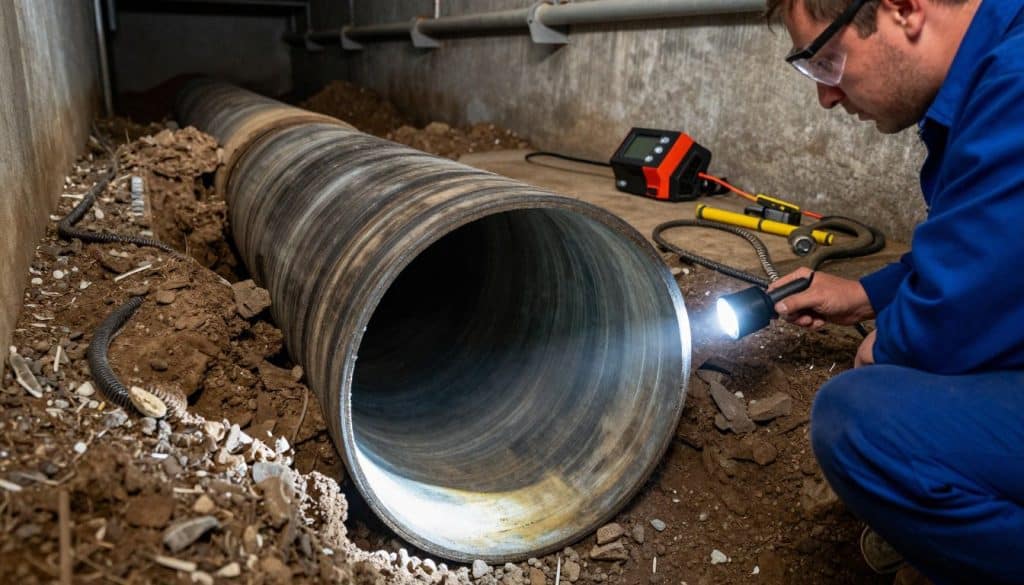
A detailed view of a main sewer line, showcasing a large, circular pipe made of dark, weathered metal, partially buried underground amidst a mix of dirt and gravel. In the foreground, a professional drain cleaning technician, dressed in a blue uniform and safety goggles, examines the area with a flashlight, illuminating the pipe's entrance. The middle ground features small tools such as a snake and a drain camera positioned nearby, hinting at an ongoing inspection. The background reveals the dimly lit, enclosed environment of an underground utility space, with concrete walls and exposed plumbing. The lighting is soft yet focused, creating a serious and investigative atmosphere that emphasizes the importance of maintaining a clear sewer line.

When to stop using water to prevent sewage backups

If you detect strong sewer smells or visible backups, stop using water immediately. Adding more water forces sewage up through lower fixtures and increases damage.

  • Quick triage: note which fixtures act up and any odd sounds or smells.
  • Avoid plungers or chemicals if multiple fixtures are affected—call a pro.
  • Contact us for an on-site check so we can find the real cause and limit risks.

Whole house drain cleaning: Tools, Safety Gear, and DIY Steps That Work

A little prep and the right tools make most DIY sewer work faster and safer. I recommend starting with safety gear: eye protection, work gloves, and a set of cleaning gloves. Add an auger (snake), adjustable wrench, bucket, sponge, and a few clean cloths.

Locate and open the clean-out

Find the clean-out near the foundation, in the garage, crawlspace, or basement. Use an adjustable wrench to remove the plug. Stand clear—wastewater may drain out. Place a bucket under a vertical cleanout when needed.

Use an auger or sewer rod to clear obstructions

Feed the cable until you feel an obstruction. Turn the handle clockwise while pushing to break it up. Work both directions—back toward the house and out—then pull debris free.

Gentler options for minor clogs

Try hot water flushes for 5–10 minutes for grease or soap buildup. For light blockages, use baking soda followed by vinegar, wait ~15 minutes, then flush with hot water.

Fixture-level tools and chemical caution

For a single sink or toilet, plunge with a tight seal, use a wet/dry vac on wet mode, or fashion a small snake to pull hair and gunk. Chemical products target small clogs; they rarely unclog main sewer line issues and can harm older pipes. Use protective gear and follow instructions if you choose a product.

When to call a pro

If you suspect tree roots in the line, repeated backups, or if the auger won’t break the obstruction, stop and call us. Root intrusion and major sewer line problems need professional tools and experience to avoid costly damage.
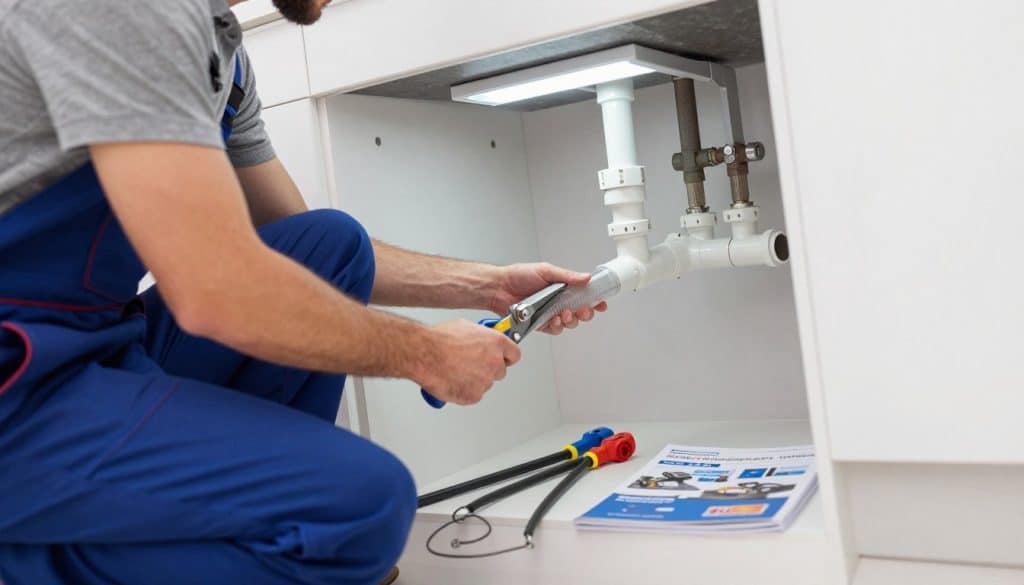
A professional plumber in a modern, well-lit residential basement, engaged in preventive maintenance of plumbing systems. The foreground features the plumber, dressed in a neat, professional uniform, examining a clear drainage pipe with tools in hand. In the middle ground, neatly arranged plumbing tools and equipment, including a drain snake and maintenance guidebook. The background showcases the clean, organized elements of a plumbing system, with bright LED lighting illuminating the area, creating an atmosphere of cleanliness and professionalism. The image captures a sense of diligence and reliability, reflecting the commitment to preventing future clogs through proactive maintenance. Use a slightly tilted angle to add dynamism to the composition, emphasizing the action of maintenance.

Preventing Future Clogs With Smart Plumbing Maintenance

A few easy routine steps keep grease and hair from building up in your pipes. These habits are low-cost and fit real life. They save time and prevent bigger problems later.

Kitchen habits that reduce grease buildup

Never pour grease or coffee grounds down the sink. Let fats cool and toss them in the trash. When you run the garbage disposal, use plenty of cold water to help move solids through the line.

Bathroom and toilet do’s and don’ts

Use strainers and empty them often. Only flush toilet paper. Put wipes, cotton, and other debris in the trash to avoid recurring clogs and sewer odors.

Maintenance treatments and early action

Clean stoppers and pop-up traps regularly. Consider a maintenance treatment suited to your plumbing system to reduce buildup. Act at the first slow sign—fixing one slow sink or tub is almost always cheaper than solving repeated blockages.

Septic checks and recurring main issues

If you have a septic system, have it inspected every two to three years or per local rules. For recurring main line problems or tree root risks, schedule professional inspections sooner rather than later.

When advanced professional methods help

We use camera inspections to pinpoint blockages and high-pressure jetting to remove tough grease or root intrusions. Drainage First offers fast, personal services and a same-day written estimate so you can choose the most cost-effective way forward.
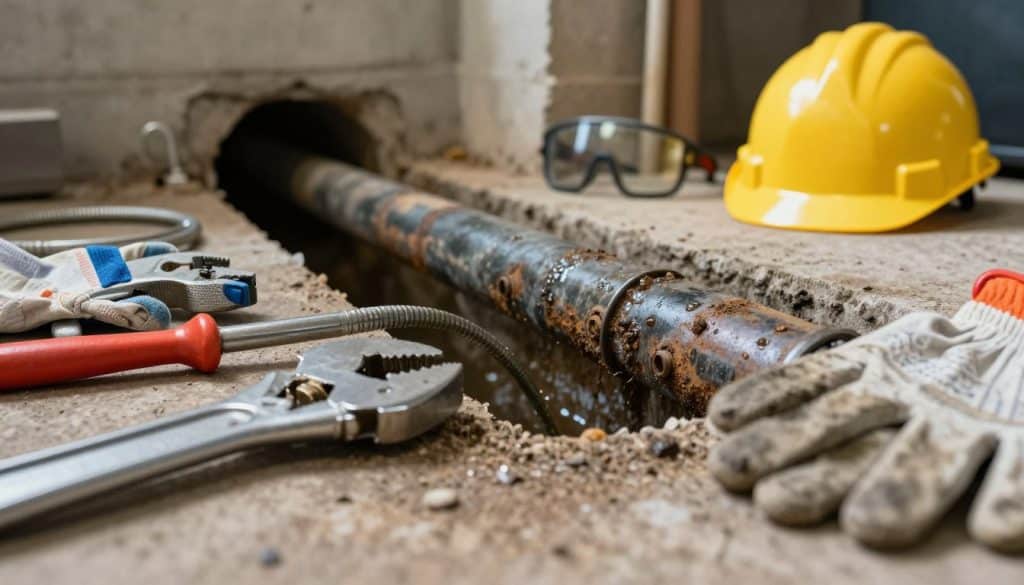
A close-up view of a sewer line in a residential setting, showcasing a partially exposed pipe surrounded by tools for drain cleaning. In the foreground, include bright metal tools such as a pipe wrench and a drain snake, with a sturdy pair of gloves resting nearby. The middle ground features the sewer line itself, showing the textured, rusty surface of the pipe where water or debris might accumulate. In the background, a dimly lit basement is visible with concrete walls and a few safety gear items like a hard hat and goggles hanging near the entrance, creating an atmosphere of a serious yet safe working environment. Utilize soft, diffused lighting to enhance the texture and details of the scene, captured from a low angle to emphasize the importance of the drain cleaning process.

Conclusion

A single flushed item or a slow sink can start a chain that leads to a costly backup. If you suspect a main blockage, stop using water right away to lower the chance of sewage coming up through fixtures.

I recommend this decision path: note warning signs, halt water use when multiple fixtures act up, then try safe, simple DIY steps only for minor clogs. If the problem points to the main line, call a pro.

I’ve led Drainage First in Metro Atlanta for over 20 years. We offer owner-led, hands-on service and same-day written estimates so you can decide with clear knowledge. For urgent help, call (678) 389-9544 or email carter@drainagefirst.com.
FAQ

How can I tell if the main sewer line is clogged in my Atlanta home?

Look for multiple slow or backed-up fixtures at once, gurgling toilets, sewage odors near drains, wet spots in the yard, or water backing into a tub when the washing machine runs. These signs usually mean the main sewer line or main sewer has an obstruction rather than a single fixture clog.

What commonly causes main sewer line blockages?

Blockages often come from tree roots intruding into cracked or jointed pipe, years of grease and soap buildup, flushed hygiene products, debris, sediment, or collapsed sections. In Atlanta, tree roots are a frequent culprit because of mature landscaping near older lines.

When should I stop using water if I suspect a sewer backup?

Stop all water use immediately if you see sewage backing into fixtures or hear gurgling from multiple drains. Shutting off water and avoiding toilets, sinks, dishwashers, and washing machines limits contamination and damage until you call a plumber.

What basic tools and safety gear should I gather before attempting a DIY mainline or fixture clear-out?

For minor jobs gather a sink plunger, toilet plunger, plumbing auger (snake), heavy gloves, eye protection, bucket, rags, and a wet/dry vacuum. Wear rubber boots and consider a mask when dealing with sewage. For main sewer work, call a professional—do not attempt without proper training and equipment.

How do I locate and open a sewer clean-out plug safely?

Locate the clean-out near the foundation or property line—usually a capped pipe rising from the ground. Clear soil away, wear gloves and eye protection, and use a wrench sized for the cap. Open slowly to relieve pressure; if sewage spurts or you smell strong gas, close it and call a pro.

Can I clear a mainline obstruction with a plumbing auger or sewer rod?

Yes for some blockages. A heavy-duty auger or sectional sewer rod can break up or extract roots and debris in accessible sections. Work carefully, feed and retract slowly, and avoid forcing the tool. If resistance is severe or the line is damaged, stop and call Drainage First for professional root cutting and video inspection.

Do hot water flushes or baking soda and vinegar help with clogs?

Hot water can clear grease clogs in kitchen traps and minor buildups. A mix of baking soda and vinegar followed by hot water can help small organic clogs in sinks. These methods rarely clear major main sewer blockages or root intrusions; use them only for minor fixture clogs and routine maintenance every few months.

How effective are plunging, wet/dry vacuums, and improvised snakes for fixture clogs?

Plungers and wet/dry vacuums work well for toilets, sinks, and tubs with localized obstructions. Improvised snakes can reach and clear many trap or branch line clogs. If multiple fixtures back up or the obstruction is in the main sewer, these tools won’t solve the problem long-term.

Why shouldn’t I rely on chemical drain cleaners for major sewer line blockages?

Chemical cleaners may dissolve small organic clogs but they can damage older pipes, kill beneficial bacteria in septic systems, and fail on root or solid debris. Harsh chemicals can also create hazardous conditions for technicians. For persistent or mainline issues, professional mechanical or hydro-jetting methods are safer and more effective.

What if tree roots are invading the sewer line—can I fix that myself?

Small root intrusions into accessible clean-outs might be removed with a rooter head on an auger, but roots often re-grow and can indicate broken pipe joints. Permanent repair usually requires professional root cutting, pipe lining, or replacement. I recommend scheduling a camera inspection with Drainage First to determine the right fix.

What kitchen habits prevent grease buildup and pipe clogs?

Avoid pouring grease, coffee grounds, egg shells, and fibrous peels down the sink. Use strainers in the sink and dispose of food scraps in the trash or compost. Run hot water when rinsing dishes to flush small particles into the trap, and schedule periodic maintenance to prevent long-term buildup.

What bathroom habits help prevent recurring toilet and shower clogs?

Only flush toilet paper and human waste. Avoid flushing wipes, feminine products, cotton swabs, and dental floss. Use mesh drain strainers in showers to catch hair and clean them regularly. These steps reduce the chance of frequent clogs and protect the main sewer line.

What routine maintenance keeps the plumbing system flowing well?

Monthly checks for slow drains, using strainers, and running hot water after greasy use help. Consider a professional inspection and mechanical cleaning every 1–3 years depending on tree coverage, home age, and frequency of slow drains. Regular attention prevents emergency backups and extends pipe life.

How often should I inspect a septic system or recurring main sewer problem?

Inspect septic systems every 1–3 years and pump as recommended by a licensed septic provider. If you see repeated main sewer backups, request a video inspection promptly—recurring issues often signal pipe damage or root intrusion requiring repair, not just cleaning.

When should I call a professional for advanced methods like hydro-jetting or pipe relining?

Call a professional when you have persistent clogs, evidence of roots, multiple fixture backups, or after a camera inspection shows damaged pipe. Hydro-jetting clears heavy grease and roots; pipe relining repairs damaged sections without full excavation. I’ll advise the best, cost-effective approach for your Atlanta property.

What can I expect from Drainage First when I call for help in Atlanta?

I provide a direct owner-to-customer approach: quick assessments, on-site camera inspections, clear explanations, and practical repair options like root cutting, hydro-jetting, or pipe lining. My focus is cost-effective, common-sense solutions that prevent water damage and restore proper flow.

Best Solutions

We have experience with a wide range of water issues.

See our Work

View our amazing drainage transformations.

Free Estimate

Contact us today to schedule a free consultation.

Services We Offer

What Our Customers Are Saying

Customer satisfaction is at the heart of everything we do. But don’t just take our word for it – hear what some of our happy clients have to say:

Drainage First - About Us - Contact Us

Call us now for your free estimate
24/7 Service Available

Share:

Learn More, Check Out

Send Us a Message