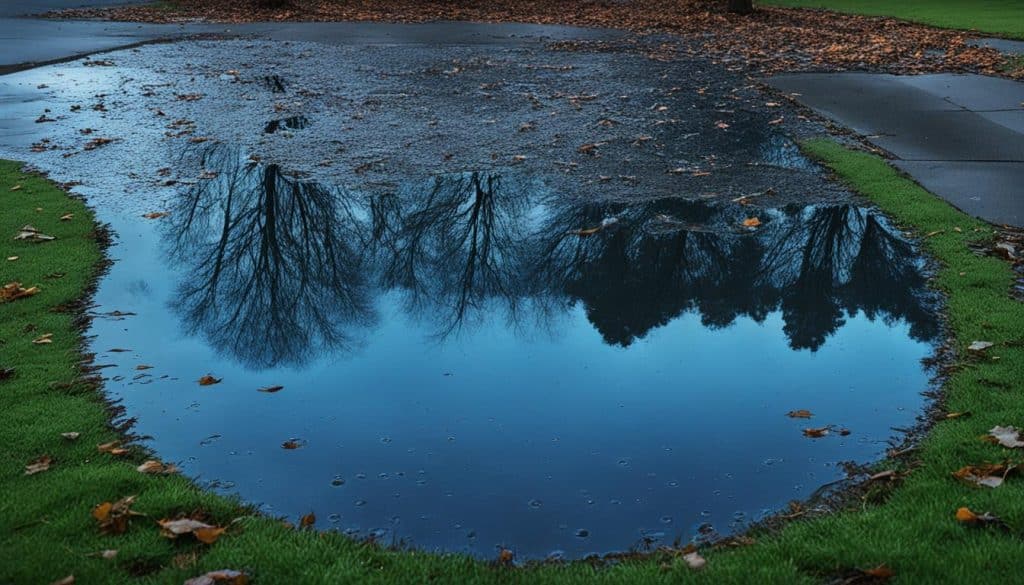
Curious what are french drains used for and why neighbors fix yards instead of buying expensive interior waterproofing? I ask that question because most wet basements start outside.
I’m the owner at Drainage First, a locally owned, owner-led company serving Metro Atlanta for over 20 years. We take a practical path: fix exterior drainage and grading first, then consider more invasive options. Our team gives fast, personal service and same-day written estimates. Call (678) 389-9544 or email carter@drainagefirst.com.
In plain terms, water moves on the surface and through soil. When subsurface water builds near a foundation it creates pressure that can shift walls and invite seepage. A french drain gives that water a controlled path out. It relieves pressure, protects the foundation and helps keep basements dry.
We focus on real causes, not quick fixes. Layout, slope, soil and the outlet all matter. In many cases improving exterior drainage stops the problem without disruptive interior work.
Key Takeaways
- Drainage First is owner-led and serves Metro Atlanta with hands-on service.
- A french drain manages subsurface water to relieve pressure on foundations.
- Exterior grading and drainage often prevent interior repairs.
- System design, slope and outlet determine long-term performance.
- Call (678) 389-9544 or email carter@drainagefirst.com for a same-day written estimate.
What are french drains used for around your home and yard?
Standing puddles and soggy low spots give groundwater chances to press against walls. I focus on correcting exterior water paths first because that step often prevents basement leaks and costly interior work.
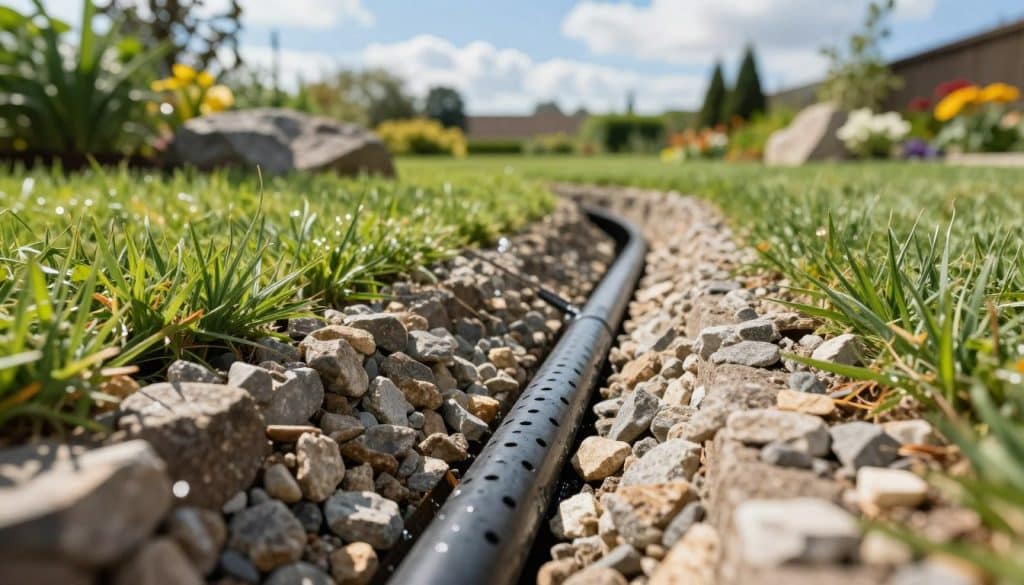
Key benefits at a glance:
- Keep water away from the foundation to lower the chance of cracks, seepage, and basement water damage.
- Eliminate surface flooding in lawns and landscaping so low spots stop staying muddy after rain.
- Protect grading and prevent soil erosion on slopes and along walkways by intercepting runoff.
Subsurface drains also relieve hydrostatic pressure that builds against below-grade walls over time. A properly placed trench gives groundwater a controlled route to an outlet instead of letting it collect near the house.
Look for recurring puddles, downhill runoff paths, wet strips along the foundation, or visible erosion. Those clues tell you when a trench-style drain makes sense versus simpler fixes like regrading or redirecting downspouts.
We evaluate Metro Atlanta properties quickly and personally. I’ll help you decide the sensible, least-invasive step that solves the real issue first.
How French drains work as a subsurface drainage system
A simple trench can change how water behaves around your foundation. I’ll walk you through the basic idea so the system makes sense without jargon.
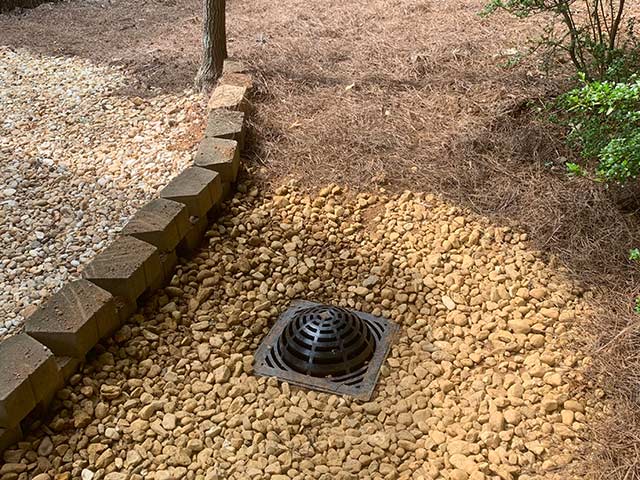
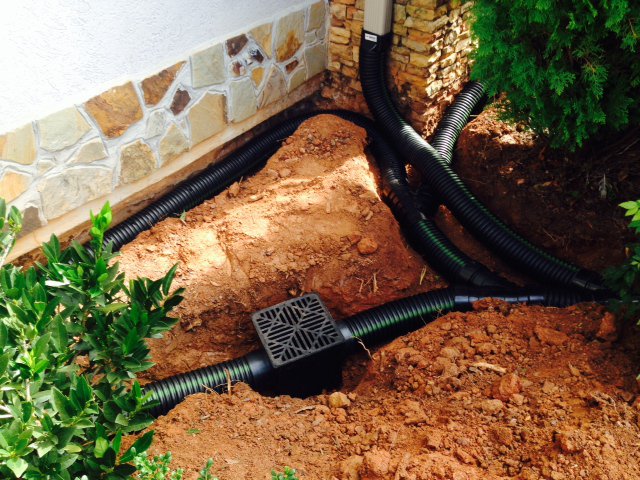
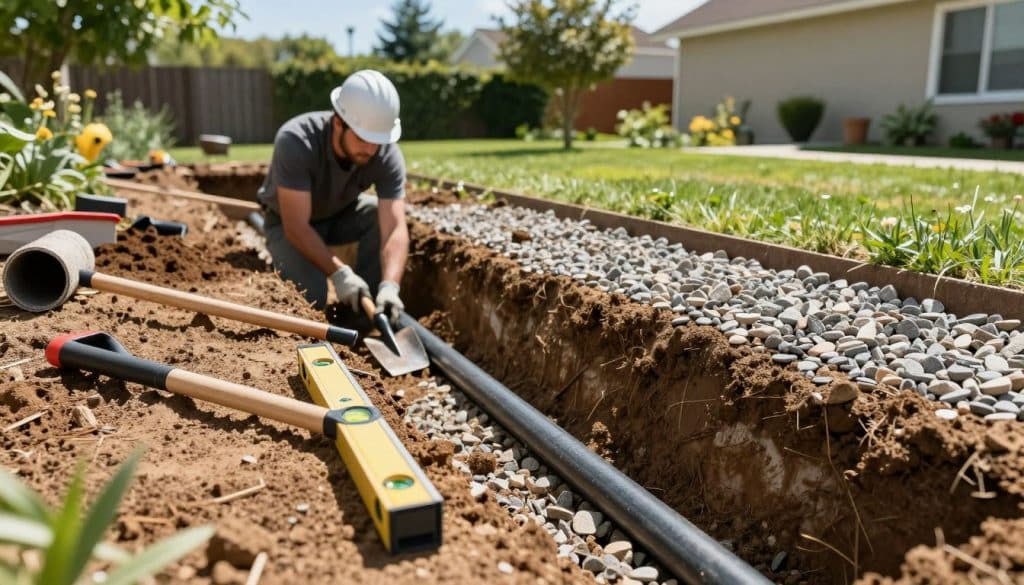
Basic design: Subsurface water moves through soil into a gravel envelope. Open voids in the gravel let water flow toward a perforated pipe. The pipe carries the water away to a planned outlet.
- Trench and slope: A shallow, consistent grade uses gravity to keep water moving instead of pooling.
- Gravel and pipe: Clean gravel creates space for water; the perforated pipe collects it and routes it out.
- Filter fabric: Geotextile fabric limits soil particle migration but must be chosen and installed carefully to avoid early clogging.
Soil matters. Fine soil particles in clay or silty ground can wash into gravel and reduce capacity. Good filtration and proper aggregate size cut that risk.
Finally, water leaves by gravity to a low point when possible. If a gravity outlet isn’t available, we route the flow to a sump pump and discharge it away. The goal is simple: control excess water, reduce pressure on walls, and stop recurring wet spots.
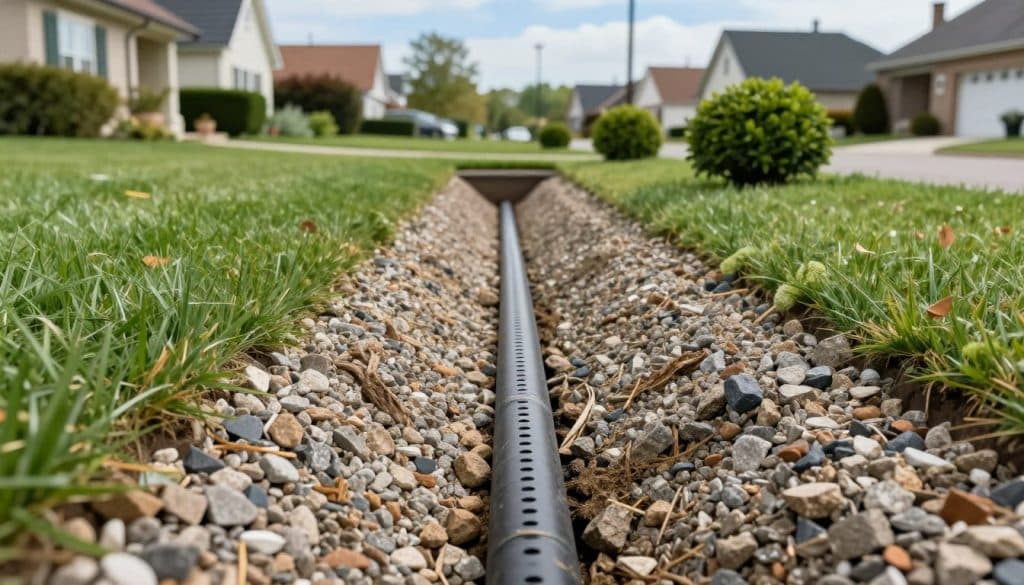
French drain installation basics homeowners should understand
Start with a clear plan: mark the problem area, pick the cleanest route, and place the outlet so water leaves the yard instead of returning near the foundation.
Planning the trench path and outlet
I lay out a trench that follows natural fall and avoids utilities. Call 811 before digging. A good outlet is downstream and far enough from the house to prevent pooling.
Getting the grade right
Grade matters. I check slope with levels so the pipe always runs downhill. A continuous pitch keeps water moving even during heavy rain.
Choosing lasting materials
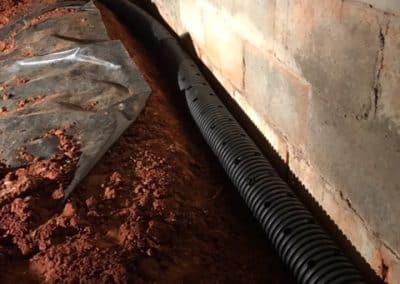
Use the right pipe and clean, filled gravel to create void space. Rigid pipe resists crushing; perforations must face down. Proper landscaping fabric separates soil from stone without clogging.
Common mistakes and maintenance
- Outlets that dump near the house
- Flat trenches that trap water
- Poor backfill that settles and invites debris
Maintenance is simple: watch for slow flow, remove debris, and inspect after freeze cycles that can crack pipe.
At Drainage First, I give same-day written estimates and start work quickly. We fix exterior grading and drainage first so you avoid costly interior repairs.
Exterior French drain vs interior French drains for basement water problems
Deciding whether to stop water outside or manage it inside is the big choice for homeowners. I evaluate the yard first and look for simple fixes that prevent basement seepage.
When an exterior solution often solves the issue
Exterior french trenches intercept runoff and move water down a grade so it never presses on the foundation. This way reduces pressure and cuts the chance of long‑term damage.
When an interior system makes sense
Sometimes the basement sits too low or there is no gravity outlet. In those cases interior french drains route water to a sump tank. A sump pump then sends water outside to a safe discharge point.
Why interior-only approaches can be costly
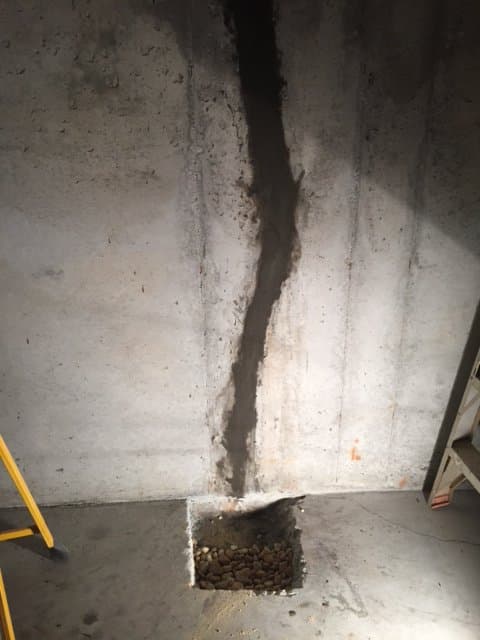
Interior-only work breaks concrete and affects finished space. It can be more disruptive and expensive than correcting exterior grading and installing an exterior french drain.
- I help homeowners screen the issue: track where water appears and how fast.
- I prefer exterior-first fixes when possible and add a sump pump when needed.
- Local, hands-on service with a same-day written estimate in Metro Atlanta.
Conclusion
A well-designed trench and pipe give unwanted water a clear path away from structures.
This brings key benefits: moving water away from problem areas, lowering pressure on the foundation, fixing soggy surface spots, and reducing risk of water damage and erosion.
Do it right: keep consistent slope in the trench, use a clean gravel envelope, pick a reliable pipe, add proper filtration to limit soil migration, and plan a safe outlet so water flows away.
Drainage is site-specific. Note where water pools, map erosion patterns, and check if the issue starts outside before tearing into a basement. Even good systems need periodic maintenance to clear debris and keep flow steady.
We’re locally owned in Metro Atlanta with 20+ years of hands-on service. Call (678) 389-9544 or email carter@drainagefirst.com for a same-day written estimate and a quick start.