Curious why a simple call can lead to a months-long calendar before crews appear?
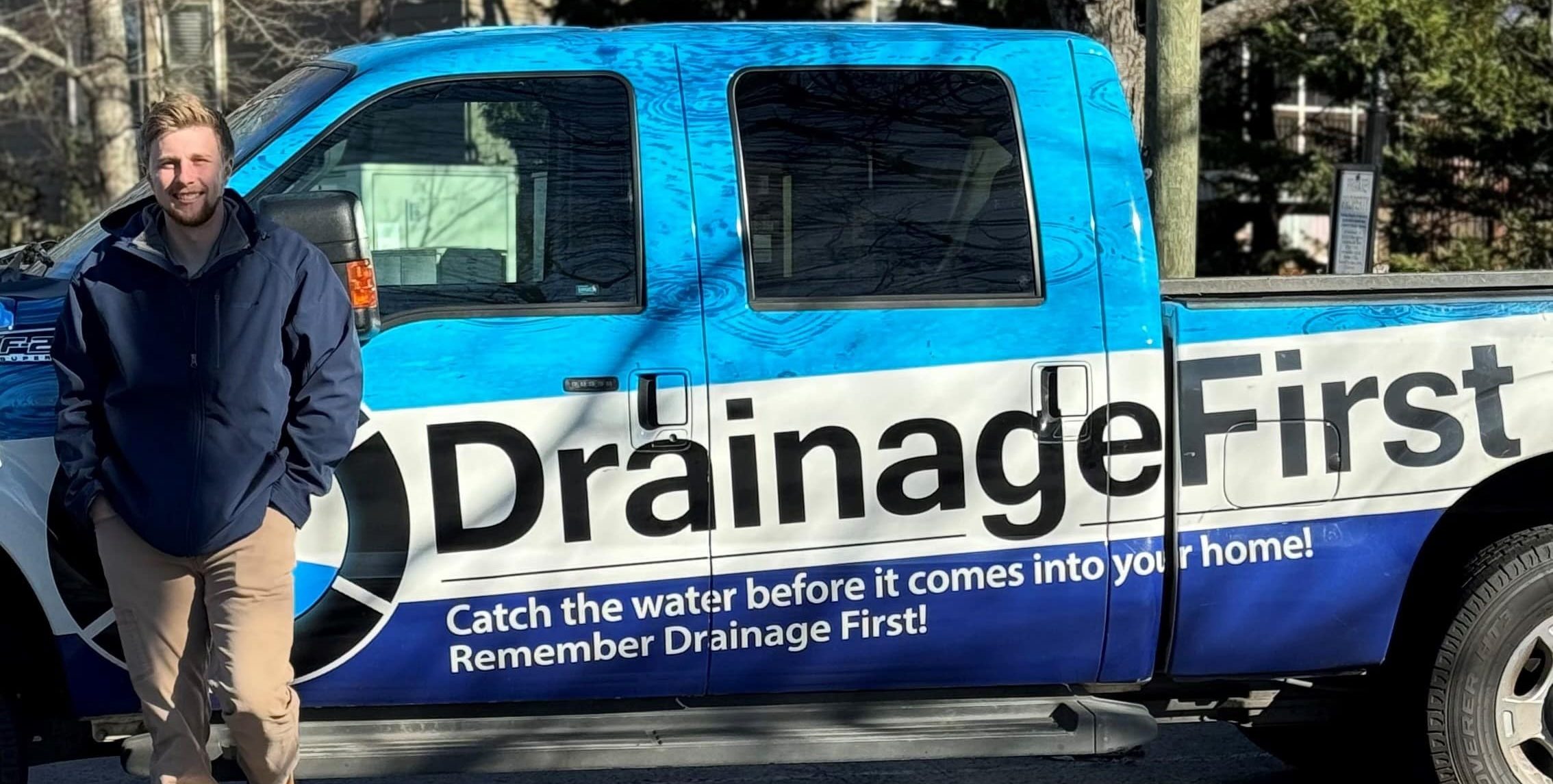
I’m the owner of Drainage First, a Metro Atlanta company with 20+ years solving root causes with exterior drainage and grading. I’ll answer the common question: how long does foundation repair take and why calendar time rarely equals active work time.
Industry steps stretch schedules: an inspection often waits about two weeks, engineering adds four to six weeks, and permitting can run four to sixteen weeks. That means calendars often show roughly 11–26 weeks.
Still, the active job site work is commonly only one to two weeks. We focus on drainage first because most foundation issues start with water. Our goal is to fix water movement and avoid repeat problems before proposing interior systems.
Call (678) 389-9544 or email carter@drainagefirst.com for fast, personal service and same-day written estimates on drainage-focused work in Atlanta.
Key Takeaways
- Calendar vs. on-site: Permits and engineering stretch the calendar; actual work is often days to two weeks.
- Drainage-first approach: Fix water and grading to protect your foundation long term.
- Local, hands-on service: I provide direct communication and same-day written estimates.
- Practical steps: Document symptoms, schedule an inspection, then sequence drainage before major work.
- Contact: Call (678) 389-9544 or email carter@drainagefirst.com for a clear plan.
How long does foundation repair take in today’s market?
Scheduling a job often stretches beyond the days crews actually work on a house.
I break repairs into two clear ranges so you can place your situation on a realistic timeline.
Typical ranges for minor repairs vs. major work
Minor repairs — small crack injection, localized fix: usually completed in 1–3 days by a crew.
Major repairs — underpinning or multi-phase stabilization: active site time can run several weeks and often involves specialized crews.
Why active work time is often shorter than the total project time
Active work at the house commonly lasts 1–2 weeks. Permits, engineering, and scheduling swell the calendar to roughly 11–26 weeks.
Realistic planning window
I recommend planning a conservative window: allow the calendar to expand by several buffer weeks to account for engineer reviews and permit waits. Delays can add scope and raise overall costs.
- Expect noise, dust, and limited access during active days.
- Coordinate parking, pets, and deliveries ahead of start dates.
- Small jobs may finish in days; larger scopes sit inside multi-week schedules.
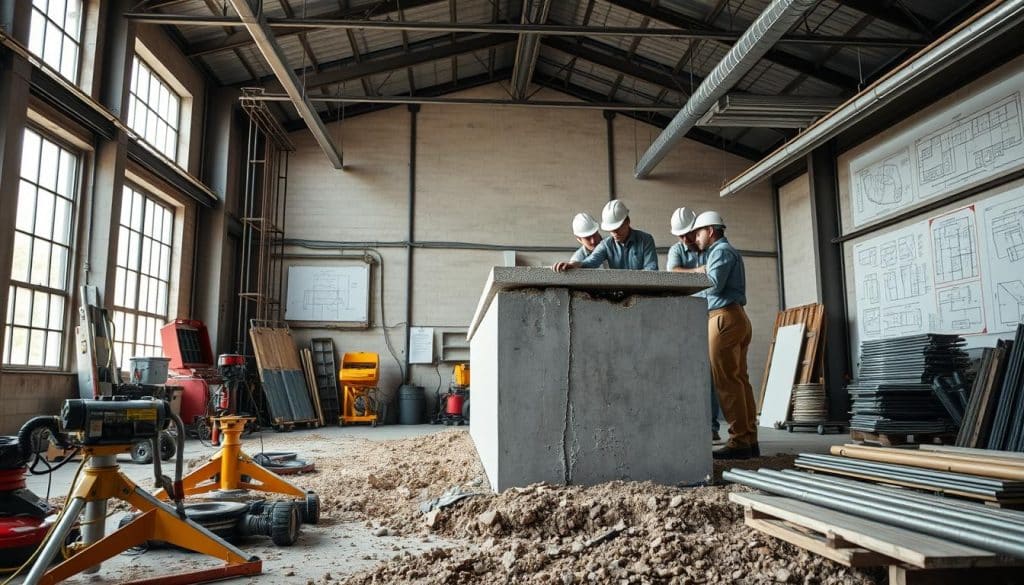
What actually determines your foundation repair time?
No two jobs move at the same pace—site details set the clock. I focus on the facts that change scheduling and on steps you can control.
Severity and speed of change
Damage severity matters. Hairline cracking is quicker to fix. Major structural movement demands more coordination, materials, and crew time.
Soil, moisture, and water behavior
Local soil and seasonal moisture swings affect support beneath the slab. Wet cycles can make soil swell or wash away, which may cause issues to get worse between inspection and start.
Repair choices, access, and weather
Repair methods range from piers to wall stabilization. The chosen method drives schedules. Tight access, landscaping, or bad weather can push a job back.
- Quick wins: Minor cracks and localized fixes usually finish fast.
- Escalation risk: Ongoing water problems let movement get worse if not addressed first.
- Plan early: Fast decisions, clear scope, and sequencing drainage with repair methods shorten overall time.
Step-by-step foundation repair timeline from inspection to completion
Let me map the usual timeline from first call to final cleanup so you know what to expect. I list stages in order so you can see where calendar time is spent and where you can act to move things faster.
Inspection scheduling interval
Expect an inspection scheduling interval of about two weeks. Booking early gives you better control of the calendar and may avoid seasonal backlogs.
Inspection day (about 1.5 hours)
A full foundation inspection typically takes roughly 1.5 hours on site. I check cracks, elevations, drainage, and visible movement. Having photos and access points ready speeds the visit.
Proposal turnaround — often one day
Most written proposals arrive within one day after the visit. That quick turnaround lets you review scope and cost while the details are fresh.
Proposal interim delays
Homeowner decisions or comparisons can pause a proposal for one day to several months. This interim is the largest driver of added weeks to the project timeline.
Engineering and permitting
Engineering review commonly runs four to six weeks. Permitting windows vary by jurisdiction and often run four to sixteen weeks. These steps are part of the approval process and keep the plan safe and code-compliant.
Active job site timeframe
Actual on-site work typically lasts one to two weeks. This includes mobilization, excavation, installation, and cleanup.
Estimated total duration
Combine the stages and you commonly land around eleven to twenty-six weeks for the full project. Add buffer weeks for decisions and local permitting to keep expectations realistic.
How to prepare for a foundation inspection to save time
Preparing a concise set of observations helps the inspector reach a clear diagnosis faster. Bring photos, dates, and a short history of changes. I use that information to focus the visit and cut unnecessary returns.
Key signs to document
- Cracks — note new cracks, cracks that reopen, and their locations.
- Doors and windows — record any sticking or gaps when closing.
- Floors — photos of uneven areas, sloping or new sagging spots.
What to show us inside and outside
Inside: drywall corners, trim, tile lines and under cabinets. Outside: brick, block, steps, and porch joints. This full pattern helps separate cosmetic issues from active movement.
Prep tips and time-saving questions
- Clear crawl space access, move stored items, and note damp spots or odors.
- Ask: “What process do you recommend?”, “Which parts of the repair take time on-site versus on the calendar?”, and “What next steps follow engineering or permits?”
We prioritize drainage and grading first when water signs appear. Call me at (678) 389-9544 for clear guidance and same-day written estimates on drainage scope in Metro Atlanta.
Repair methods and how they impact the schedule
Different structural repair methods change on-site days and the permit calendar. I explain common options and what they mean for your timeline.
Push piers and helical piers for settlement and long foundation stabilization
Push piers and helical piers transfer loads to deeper soil. I use them when settlement threatens a house and when long foundation stabilization is needed.
Pier count and spacing depend on load and access. More piers and tight access add excavation and verification time.
Underpinning scope and why it can add weeks
Underpinning often requires staged work, detailed engineering, and extra inspections. That scope can add several weeks to the calendar even though crews work in focused phases.
Wall stabilization and faster options
Some wall repairs use internal reinforcement or anchors. These fixes can be faster than heavy pier work because they need less excavation and fewer materials.
Sequencing with leaks and moisture
An active leak or exterior water intrusion must be addressed before or during structural work. I prioritize leak repair and drainage so new piers or systems aren’t undermined.
- Ask for a method-by-method timeline: get daily expectations and inspection points.
- Choose the right scope: a targeted fix often beats an oversized system for most homes.
- We focus on durable outcomes: solving plumbing and drainage first protects your foundations and reduces repeat service.
Drainage and grading first: the fastest path to fewer foundation problems
Water at the perimeter is the quiet cause of many costly home problems. I see the chain often: water collects, soil shifts, the foundation moves, and walls show stress.

How poor exterior drainage triggers movement and wall damage
Pooled water raises local saturation. Clay and silty soils expand or wash away, changing support under slabs and footings.
That movement shows up as cracks, sticking doors, and bowed walls. Fixing the structure without stopping the water usually only delays the next problem.
When improving the yard stops water from coming in
Surface runoff, downspout discharge, and negative grading are common culprits. Redirecting that water lowers pressure on the base and reduces future movement.
Common exterior solutions we install
- Grading corrections to slope soil away from the home.
- Drain lines and targeted collection points to move water off-site.
- Downspout routing and extensions to prevent pooling near walls.
Drainage First’s promise: we solve the real issue—poor exterior drainage—often avoiding disruptive interior systems. We’re local, hands-on, and we offer same-day written estimates and faster starts.
Addressing water and soil first usually reduces scope, lowers long-term costs, and makes any subsequent structural work simpler and quicker. Call (678) 389-9544 or email carter@drainagefirst.com for a direct evaluation.
Exterior drainage-first vs. interior drain systems: timeline and disruption
Exterior fixes often stop water before it ever reaches your basement and spare most interior chaos. I prefer solutions that prevent entry rather than manage it after the fact.
Why interior systems can be more disruptive without fixing root causes
Interior systems collect water after it gets inside. That usually means breaking concrete, moving stored items, and noisy, dusty work inside your home.
Those systems can solve symptoms but not the underlying pressure in saturated soils. If the source stays, walls still face hydrostatic force and movement over time.
When exterior work can reduce the need for expensive interior systems
Exterior drainage redirects runoff, fixes negative grading, and reroutes downspouts. Often this reduces or eliminates interior piping needs and lowers overall costs.
- Practical check: Where is the water coming from during storms?
- Timing: Does wetness appear only after rain or constantly?
- Outcome: If surface runoff is the driver, exterior fixes shorten the timeline and cut interior disruption.
Our approach at Drainage First: I recommend the least disruptive, most effective path that protects your home long-term. We focus on exterior measures first and reserve interior systems only when truly needed.
Scheduling, engineering, and permits: where most delays happen
Paperwork and technical reviews are the real bottlenecks that stretch a simple project timeline. Engineering reviews commonly run four to six weeks and permits often add four to sixteen weeks. Those steps are usually sequential, so calendars grow even when on-site work remains short.
Why sequential reviews extend the calendar
Reviews queue up: plans wait for an engineer, then for the permitting office. Each stop can add days or weeks.
Keep your project moving from proposal to start
Respond quickly to requests. Schedule signatures and follow-ups within days, not weeks. Provide complete site photos, measurements, and access notes on the first pass.
- Submit documents promptly to avoid re-queuing.
- Confirm who signs what and when to prevent stalls.
- Ask for a clear milestone list so you see progress.
What to expect if plans need revisions
Revisions ripple through the schedule. A corrected drawing returned fast saves more time than on-site fixes later. Revisions also reduce surprises and unexpected costs.
My promise: I keep you updated at key milestones—engineering approval, permit submittal, and target start—so you’re not left guessing about the job or costs.
Cost and time planning for homeowners in Metro Atlanta
Smart budgeting ties inspection, structural fixes, and yard work into one realistic plan. I recommend planning dollars and days together so surprises don’t push the project past approvals and active work windows.
Budgeting for inspection, repairs, and drainage together
Plan a combined budget that covers inspection fees, expected structural repairs, and exterior drainage or grading. Bundling these items reduces repeat visits and lowers the risk of missed issues.
Why waiting raises scope and cost
Early detection usually keeps costs lower. If cracks or water signs sit, damaged areas can grow and repairs widen. That increases material needs and repair time.
Daily life during active work days
Active site work is commonly 5–10 business days. Expect noise, equipment in the driveway, and limited access near the work zone.
- Clear access and plan parking before crews arrive.
- Protect pets and move fragile items away from exterior gates.
- Set a small contingency for unexpected discoveries during excavation.
Drainage First serves Metro Atlanta, Georgia and nearby areas. We offer fast, personal service and same-day written estimates for drainage and grading. If exterior drainage is the root cause, we often move faster and with less disruption than interior solutions.
Call (678) 389-9544 or email carter@drainagefirst.com for a clear plan and a practical estimate tailored to your house.

Conclusion
The real timeline often lives in permits and engineering reviews, not the time crews spend onsite. Most of the calendar is planning; actual on-site work is usually a focused window of days to a couple of weeks.
Start with an inspection and a water/drainage evaluation so you fix foundation problems at their source. In Georgia soils, surface runoff and poor grading make issues worse over time.
Please document symptoms, schedule an inspection this week, and ask about sequencing and disruption. We’re locally owned for 20+ years in Metro Atlanta and take a hands-on, exterior drainage-first approach.
Call (678) 389-9544 or email carter@drainagefirst.com for same-day written estimates on grading and drainage that often prevent costly foundation repair and repeat basement problems.